Proposals from the Department for Environment, Food and Rural Affairs (Defra) would increase the share of farms in England meeting its wildlife-support criteria to 42% over the next three years. The plans form part of wider environmental objectives covering biodiversity, soil health, hedgerows and water quality.
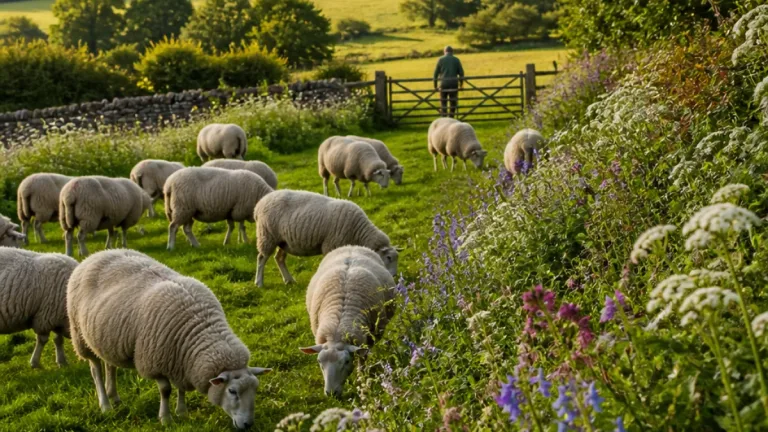
To qualify against the wildlife objective, a farm would need a combination of eligible environmental scheme actions covering at least 7% of its agricultural area. Defra said these measures must provide resources for farmland birds, pollinators and other wildlife throughout the year, including nesting and shelter, summer food and winter food.
Actions included in the proposals
- pollen and nectar mixtures;
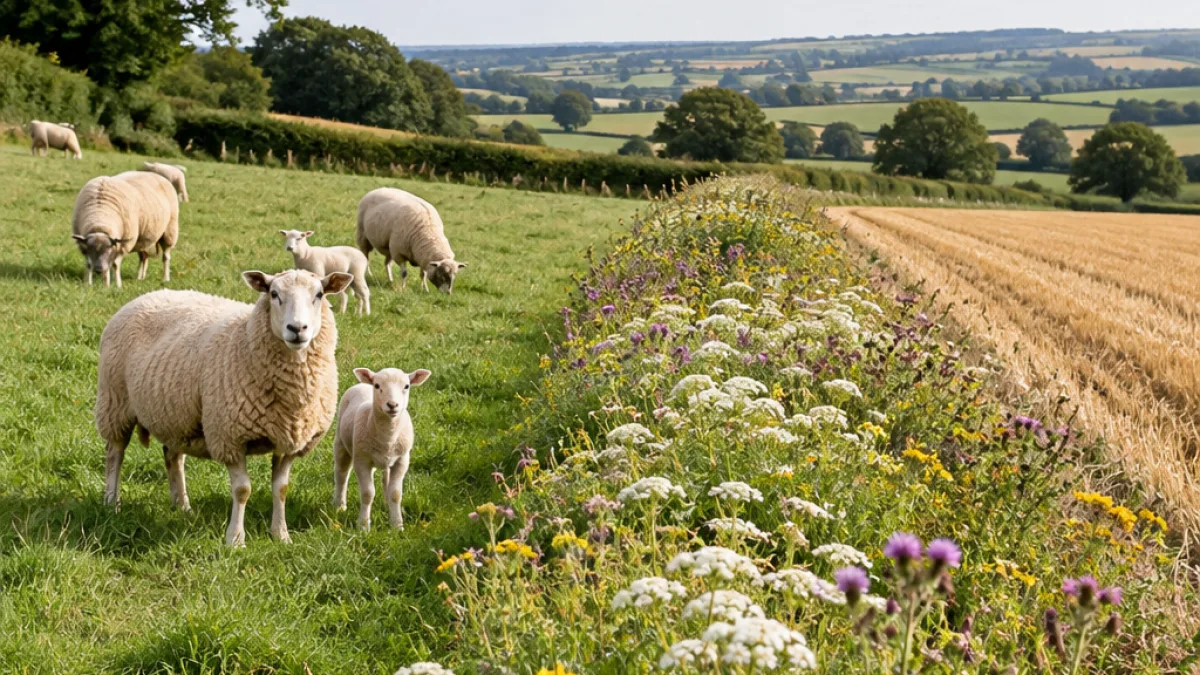
- flower-rich margins;
- overwintered stubble; and
- designated areas for farmland birds.
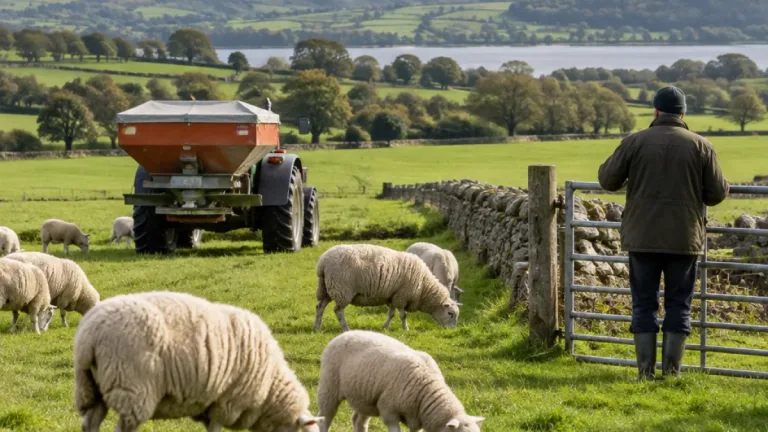
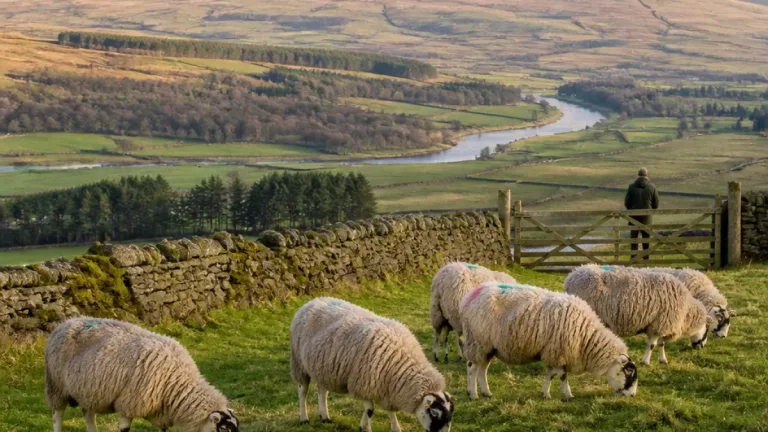
The proposals have particular significance in Yorkshire, where nearly three-quarters of the region is managed for agriculture. The proportion rises to 81% in East Yorkshire and 79% in North Yorkshire, placing farm businesses at the centre of efforts to improve habitats and water quality.
Pressure on hedgerows and waterways
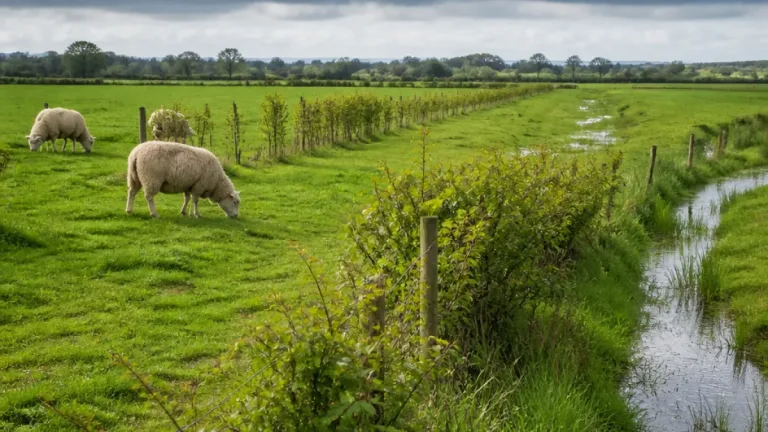
Evidence cited in the report highlights the condition of the region’s wider farmed landscape. Yorkshire has approximately 38,500km of hedgerows, but many are described as being in poor condition. Some 65% are less than three metres high, while many are thin, fragmented and lacking structural diversity.
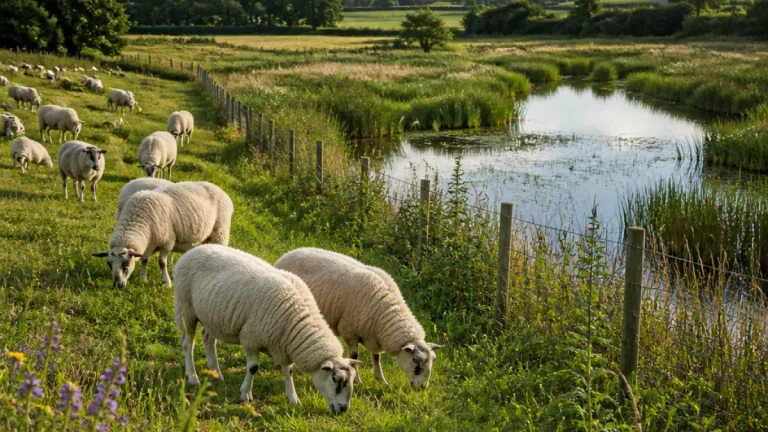
The region also contains 6,500km of streams, rivers and canals, many alongside agricultural land. Improvements to field margins, hedgerows and other habitat areas are therefore being considered alongside the broader objectives for soil and water.
“Mounting financial and environmental pressures were threatening the future of farming businesses.”
That warning came from Vicki Hird, strategic lead of agriculture at The Wildlife Trusts. The organisation has questioned whether public funding is sufficient to deliver the environmental priorities set out for England.
Funding remains a concern
Research published by The Wildlife Trusts estimates that at least £3.8bn is needed to meet England’s environmental farming priorities. The research puts the potential funding shortfall at approximately £2.15bn.
The figures follow the closure of the latest Sustainable Farming Incentive (SFI) application window in September. An initial budget of £233m was used in less than six hours, after which the allocation was increased to £253m. The closure attracted widespread criticism and has added to concerns about how quickly farmers can access support for environmental actions.
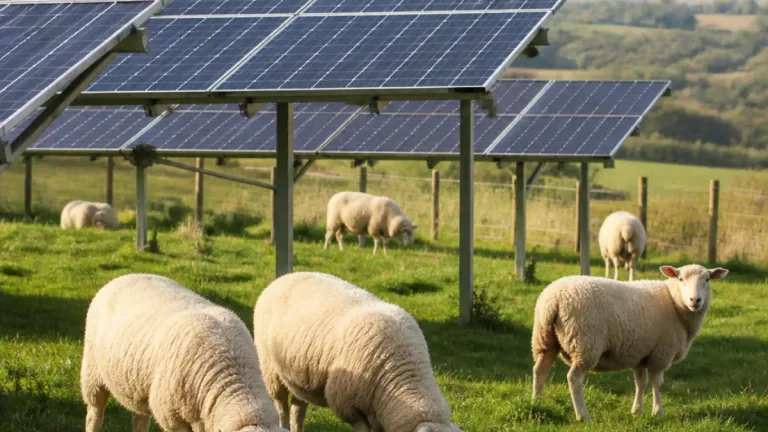
For livestock farms, the proposed criteria would make the availability and design of environmental actions important factors in decisions about field areas, forage production and habitat management. The plans remain proposals, while the stated objective is to expand participation in wildlife-supporting farming across England.