
Rift Valley fever risk is increasing across parts of Eastern Africa as intense rainfall and flooding create more breeding habitat for mosquitoes, the Food and Agriculture Organization of the United Nations (FAO) and the Intergovernmental Authority on Development (IGAD) have warned.
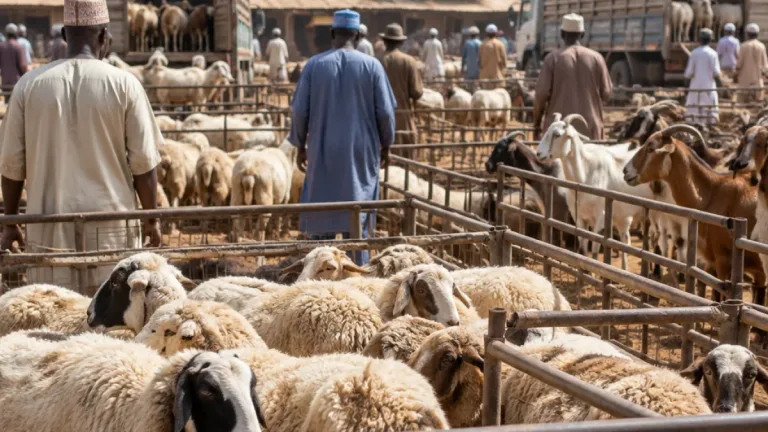
The alert, issued on 30 October 2026, calls on countries in the region to improve disease monitoring, prepare vaccines and essential supplies in advance, and strengthen cooperation between animal, human health and environmental authorities. The warning applies to a disease that can affect sheep, goats, cattle, buffaloes and camels, as well as people.
Rainfall is increasing concern
FAO and IGAD said current El Niño conditions were approaching record intensity. The pattern of rainfall and flooding was described as similar to that seen during 1997-98, when Eastern Africa experienced one of its largest recorded Rift Valley fever epidemics and epizootics.
Heavy rain can expand areas where mosquitoes reproduce, while flooding may make veterinary services and disease surveillance more difficult. Mosquito bites are the main route by which the virus spreads. Movement of infected animals can also carry it to new areas, while people may become infected through contact with infected animals or animal products.
| Area | Risk assessment in the alert |
|---|---|
| Ethiopia, Kenya, Somalia, South Sudan, Tanzania and Uganda | Greatest current risk |
| Burundi and Rwanda | Increasing risk |
| Comoros, northern Madagascar, the Department of Mayotte, south-western Saudi Arabia and western Yemen | Smaller but rising risk |
Preparedness measures urged
Most of Eastern Africa is expected to receive above-average rainfall and flooding. The most intense rainfall is forecast for southern Ethiopia, Kenya and central and southern Somalia, where the probability of increased risk is being assessed.
The two organisations have asked affected countries to:
- base surveillance on the areas and conditions considered most at risk;
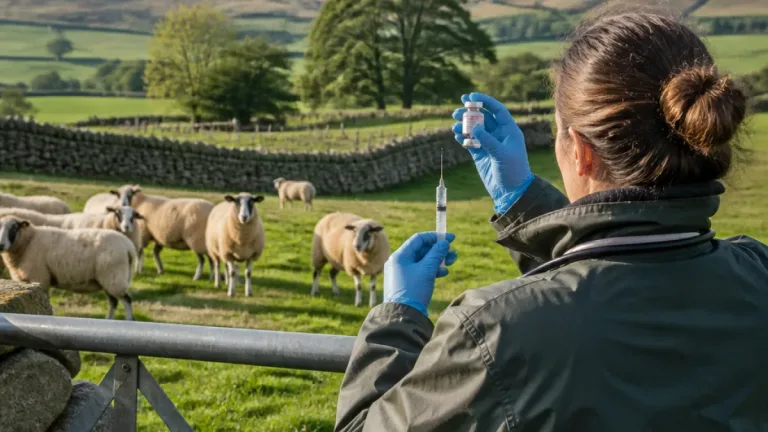
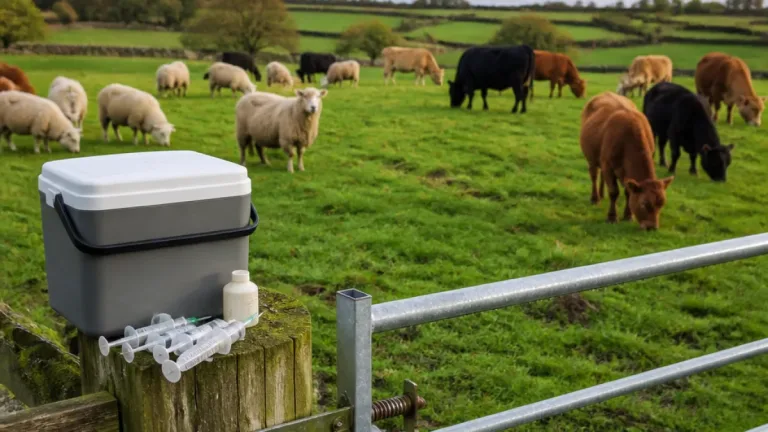
- position vaccines and other critical supplies before they are needed;
- improve coordination between sectors and across national borders; and
- use a One Health approach linking animal, human and environmental health services.
The warning was issued through FAO-EMPRES, the global early warning and prevention system for animal health. The programme has supported FAO members for more than three decades through disease monitoring, risk assessment, forecasting and rapid communication of emerging threats.
For sheep and goat sectors in the affected countries, the warning places emphasis on readiness before conditions become more favourable for transmission. Rift Valley fever can affect both livestock and people, so the organisations’ approach combines veterinary surveillance, public-health coordination and measures to reduce the consequences of animal disease spread.