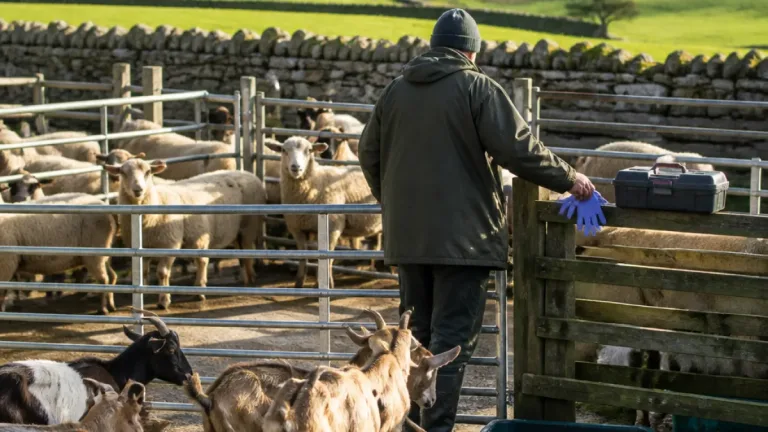
The Scottish Government has announced that the bluetongue restricted zone in south-west Scotland will be extended to cover the whole of Scotland from Saturday 3 October. The move removes the need for the licences previously required to move susceptible livestock into, within and out of the south-west zone, while keeping other disease controls in place.
What the extension means for trading and controls
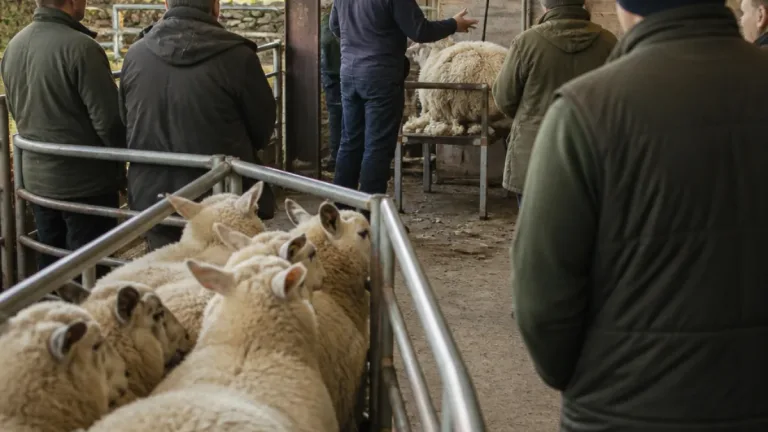
Officials said the extension is intended to make trading easier through the autumn by eliminating an administrative step at a busy time in the marketing calendar. Animals showing clinical signs of bluetongue will remain subject to an isolation requirement of 60 days on their holding.
“Extending the restricted zone to cover the whole of Scotland is a practical, sensible step that reflects the reality of the situation we now face. It recognises that bluetongue is not going away any time soon, while removing an administrative burden on farmers at what is a critical time in the trading calendar.” — Jim Fairlie, agriculture minister
The decision followed agreement with industry representatives, including NFU Scotland, the National Sheep Association, the Scottish Beef Association, the Institute of Auctioneers and Appraisers Scotland and Quality Meat Scotland.
Cases and investigations
Latest official figures cited in the announcement show 40 confirmed BTV-3 cases in Scotland, of which 36 were in Dumfries and Galloway, 2 in Aberdeenshire and one each in Angus and South Lanarkshire. The Government statement also referenced a UK total of 2,408 cases, with a further 961 incidents under investigation.
| area | confirmed BTV-3 cases |
|---|---|
| Scotland (total) | 40 |
| Dumfries and Galloway | 36 |
| Aberdeenshire | 2 |
| Angus | 1 |
| South Lanarkshire | 1 |
| United Kingdom (total) | 2,408 |
| Under investigation (UK) | 961 |
Industry response and veterinary advice
The Government said the change was agreed with key industry bodies, which it said supported simplifying trading arrangements at this time of year as the risk of transmission decreases with lower Culicoides midge activity in autumn. The announcement reiterated guidance that farmers should speak to their own veterinary advisers about vaccination.
- Movement licences for moving susceptible livestock into, within and out of the south-west restricted zone are no longer required within Scotland from 3 October
- Animals showing clinical signs of bluetongue are to remain restricted to their premises for 60 days
- Decision made in agreement with industry bodies including NFU Scotland, National Sheep Association and Quality Meat Scotland
The Scottish Government described the extension as a practical measure that reduces administrative burden for businesses while acknowledging the ongoing presence of bluetongue. The announcement did not alter the longer-term approach to the disease, and farmers were urged to discuss vaccination with their vets.