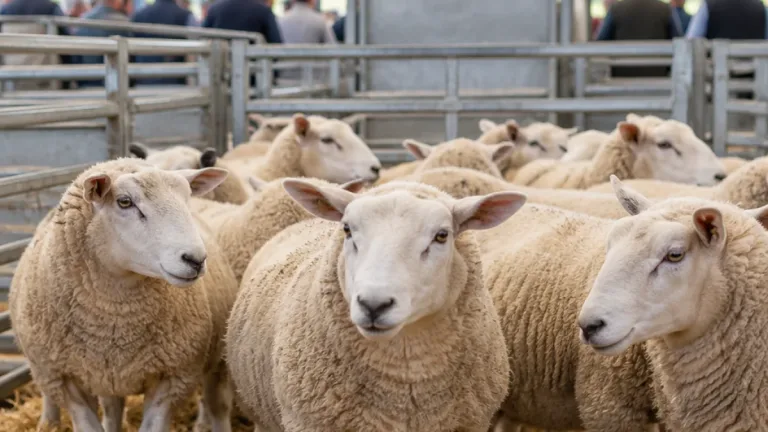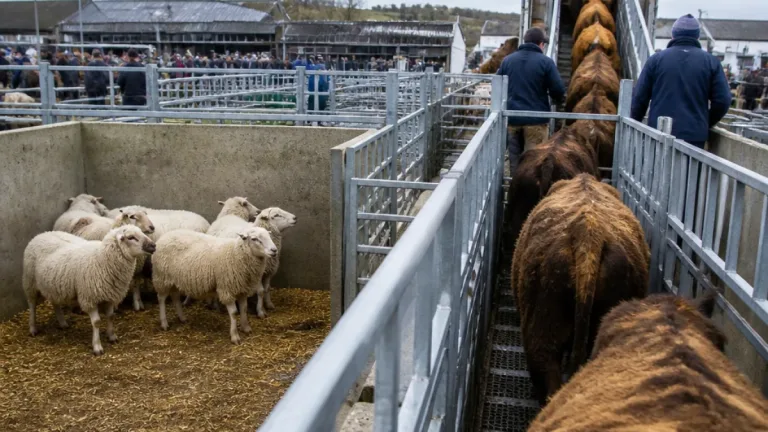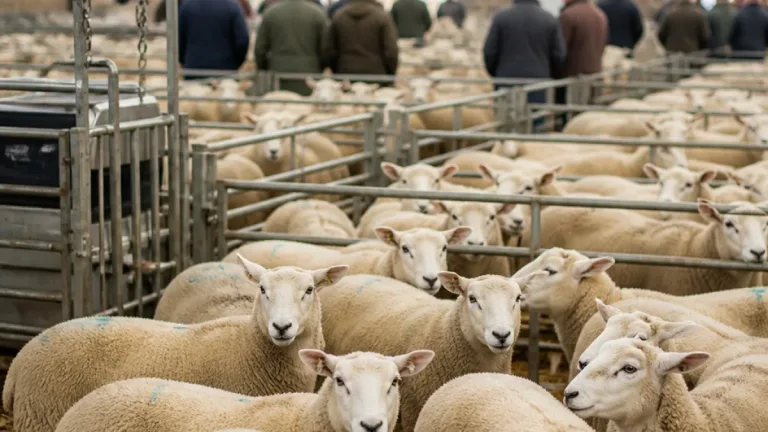
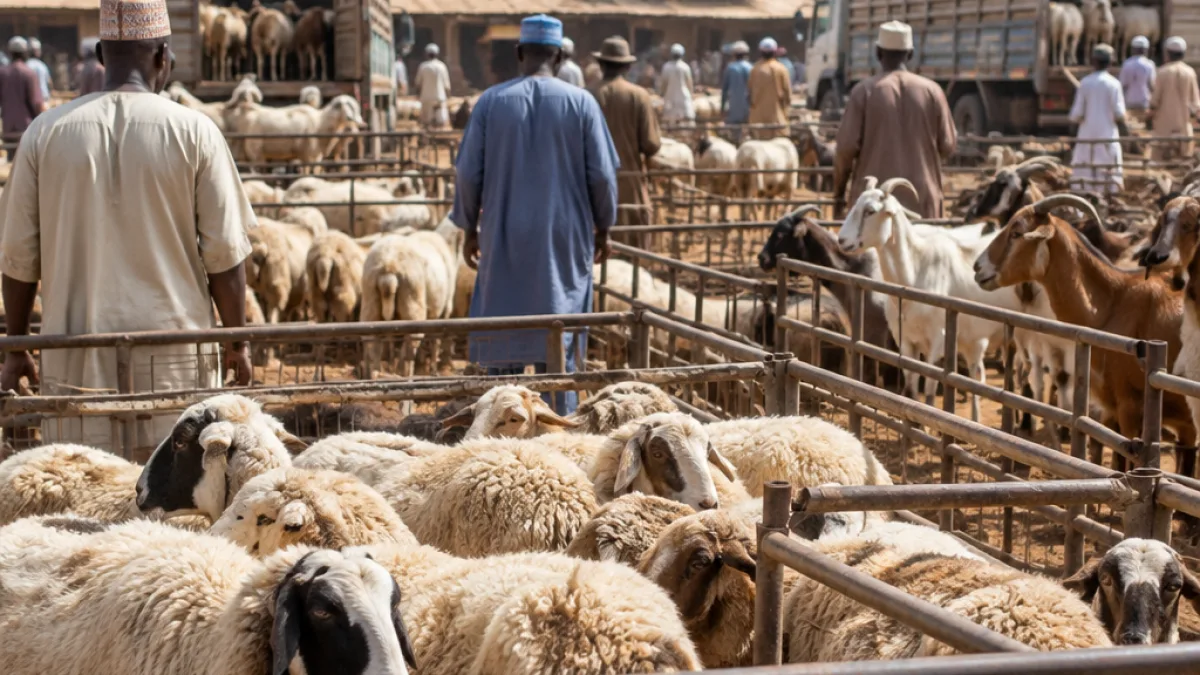
Maigatari Livestock Market has developed from a village trading point into a major cross-border commercial centre linking northern Nigeria with the Niger Republic, according to a report by LEADERSHIP Sunday. The market in Jigawa State was formally established in 1929 and is now attracting livestock dealers, buyers and transporters from across Nigeria and several other African countries.
The market is located less than a kilometre from the Niger Republic, giving it a strategic role in the movement of animals and other commodities across the region. Traders operate with the Nigerian naira and CFA franc in circulation alongside one another, while commercial activity continues across a national boundary that has also been affected by political and diplomatic tensions.
From local gathering to regional market
Maigatari began as a small community marketplace on the eastern edge of the town before being moved to its present site in the west. Its expansion has been gradual, with the market’s location helping it become an established meeting point for traders from nearby settlements and more distant territories.
The scale of activity has grown considerably. Hundreds of thousands of animals are reported to change hands in the market, alongside substantial quantities of agricultural commodities. Sesame, hibiscus, millet and beans are also traded, with some of those goods destined for international markets. The livestock trade remains central, however, and the market’s activity supports a wide range of work beyond the sale itself.
- Livestock dealers transport animals within Nigeria and across the border.
- Buyers, sellers and hauliers use the market as a regional trading point.
- Young people and established businesses earn incomes from daily market activity.
- Agricultural commodities are traded alongside livestock, extending the market’s commercial reach.
| Market feature | Reported detail |
|---|---|
| Formal establishment | 1929 |
| Location | Jigawa State, less than 1 kilometre from the Niger Republic |
| Livestock activity | Hundreds of thousands of animals changing hands |
| Currency | Nigerian naira and CFA franc |
Border and infrastructure pressures
The market’s position brings commercial advantages but also exposes traders to wider regional disruption. Border restrictions, the diplomatic dispute between Niger and other Sahel countries and the Economic Community of West African States, higher transport costs and limited modern infrastructure are all reported to be putting pressure on trading conditions.
Those constraints affect more than the movement of animals. Transport costs influence the ability of dealers to bring livestock to market and move purchases onwards, while border controls can complicate the flow of trade that has historically connected communities on both sides of the frontier. The report presents Maigatari as a market whose importance rests not only on its transaction volumes but also on the livelihoods built around them.
With its origins nearly a century ago, Maigatari remains an important example of how a livestock market can develop into a wider regional trading hub. Its continued role is tied to the movement of animals, the network of people involved in buying and transport, and the ability of cross-border commerce to function despite political and logistical obstacles.