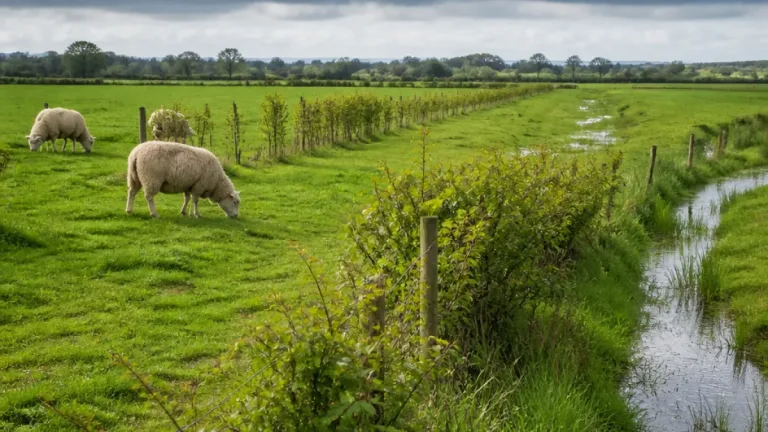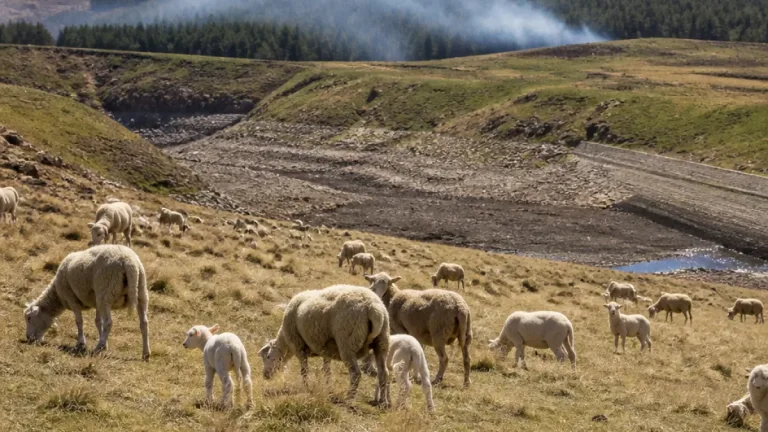
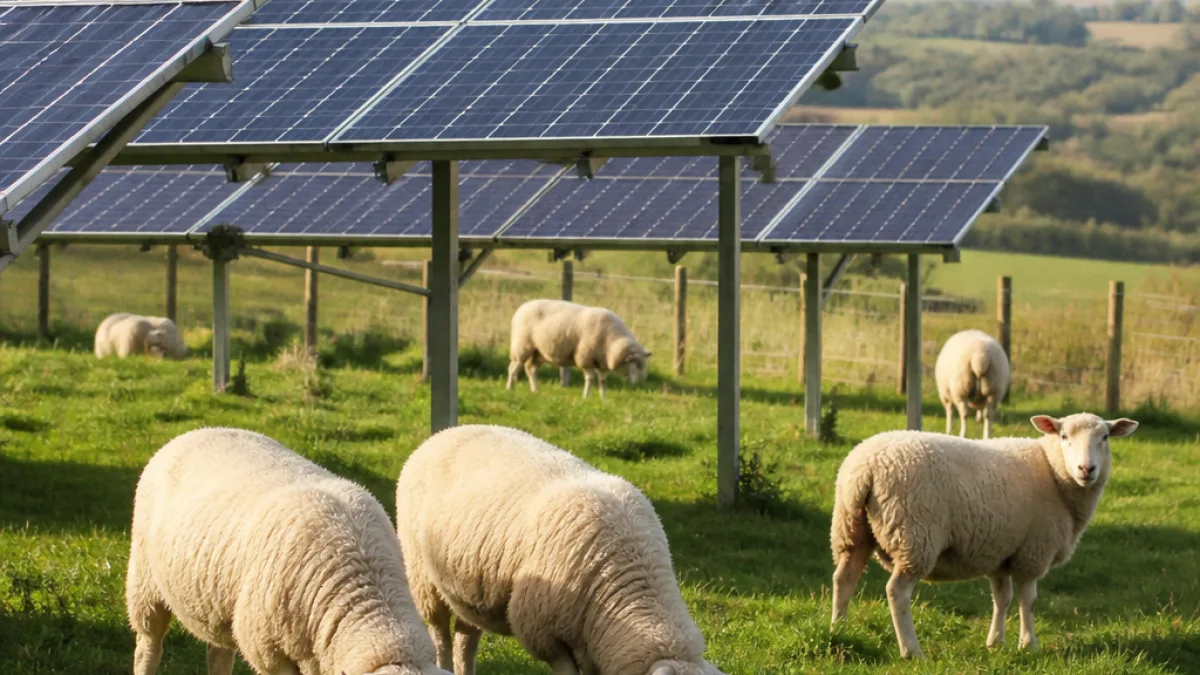
Sheep grazing beneath solar panels is being examined as a way of combining livestock production with renewable energy generation in New York, where researchers are studying how animals can manage vegetation around solar infrastructure.
The work is being carried out through Cornell’s Solar Grazing Project at the Cascadilla Community Solar Farm in Dryden. Researchers began testing the approach in 2019, using the site to assess whether sheep could maintain plant growth beneath and around solar arrays without damaging the equipment or the land.
Testing grazing densities
The Cornell team has been examining different grazing densities to establish how many sheep can effectively control vegetation in a solar farm setting. Solar operators traditionally manage growth around panels and associated equipment by mowing or trimming, while grazing offers an alternative based on livestock rather than mechanical maintenance.
The project is therefore looking at two activities on the same area of land: maintaining the solar site and continuing agricultural use. The sheep provide vegetation management, while the array offers the animals access to forage and shade. The early findings indicated that grazing at an appropriate density could help control plants around the panels without affecting the solar installation.
“The presence of sheep helped control vegetation, maintain forage, and live in harmony with solar technology,” according to the description of the Cornell Solar Grazing Project.
Agriculture and energy on one site
The approach forms part of the wider agrivoltaics movement, in which agricultural production and solar generation are planned together rather than treated as competing uses of land. At Cascadilla, researchers have been able to assess the practical relationship between livestock and energy infrastructure while the site continues to operate as a working agricultural area.
For solar operators, the potential advantage being examined is a reduction in reliance on mowing or trimming to keep vegetation under control. For livestock producers, grazing can allow sheep to use land beneath an array that might otherwise have limited agricultural value. The research is focused on whether those benefits can be achieved while protecting the panels and maintaining suitable forage.
- Researchers began trials at Cascadilla Community Solar Farm in Dryden in 2019.
- The project is comparing different sheep grazing densities.
- The work examines vegetation management, forage availability and the compatibility of sheep with solar equipment.
The project’s early results suggest that sheep can play a role in managing vegetation at solar farms when stocking levels are appropriately matched to the site. The findings do not establish a universal grazing rate, but show why the relationship between livestock, forage and solar infrastructure is being assessed through field research.
Solar grazing remains an emerging form of agrivoltaics, with the Cornell work providing a practical example of how sheep can be incorporated into a renewable energy site. Its central focus is the continued use of land for agriculture while solar panels generate electricity above the grazing area.