
Defra has set a target to increase the proportion of English farms delivering qualifying wildlife measures from 21% to 42% by 2030, as part of a new suite of Farming Sector Environmental Objectives. The objectives are intended to track how farming contributes to improvements in biodiversity, soil condition, hedgerow management and water quality while maintaining food production.
What counts as a qualifying wildlife action
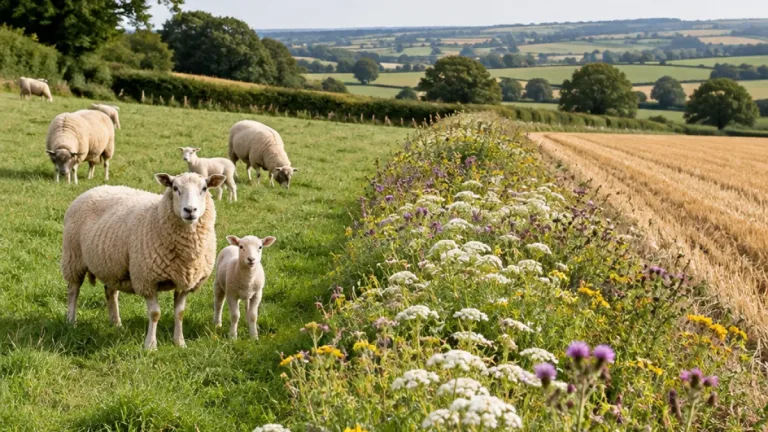
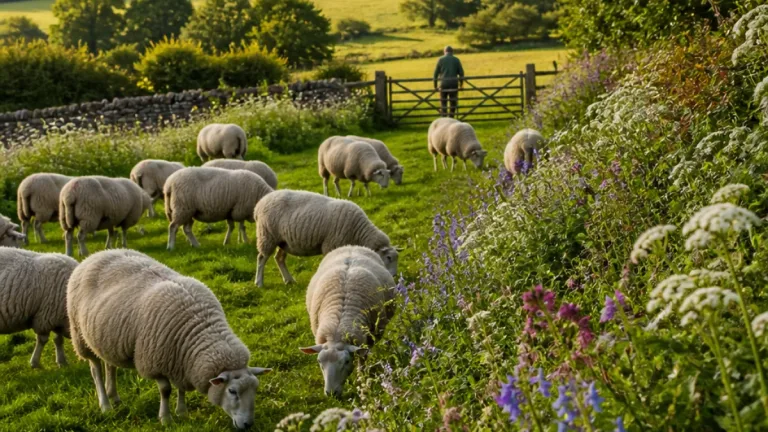
To be counted towards the target, a holding must have environmental scheme actions covering at least 7% of its agricultural area, with measures that provide year-round benefits for farmland birds, pollinators and other wildlife. Defra lists qualifying options that include pollen and nectar mixes, flower-rich margins, overwintered stubbles and designated bird food areas.
- minimum area for counting: 7% of agricultural land
- provision must supply year-round benefits for birds, pollinators or other wildlife
- examples of qualifying actions: pollen and nectar mixes; flower-rich margins; overwintered stubbles; designated bird food areas
How progress will be measured
Defra says progress towards the wildlife target will be measured through activities recorded in live Sustainable Farming Incentive and Countryside Stewardship agreements. The department framed the objectives as a framework for monitoring agriculture’s contribution to wider government environmental commitments, including the Environmental Improvement Plan 2025.
| measure | current | target by 2030 |
|---|---|---|
| farms delivering qualifying wildlife measures | 21% | 42% |
| minimum on-farm coverage to qualify | 7% of agricultural area |
Defra emphasises that the objectives do not place new legal obligations on individual farm businesses, nor do they guarantee additional funding. The department also acknowledged that information about future environmental schemes is not yet available and warned that projected uptake figures should not be interpreted as confirmation of future scheme availability or payment rates.
The wildlife target forms one of 14 Farming Sector Environmental Objectives intended to provide a consistent way to monitor agriculture’s role in meeting national environmental commitments. Defra described the objectives as a basis for tracking progress rather than as a set of new regulatory measures.
The department’s approach links delivery to existing scheme records rather than introducing a separate compliance regime. That means participation and recorded activity under the Sustainable Farming Incentive and Countryside Stewardship will be central to whether a holding is recognised as delivering qualifying wildlife measures.
For land managers and advisers working with sheep and other grazing livestock, the objectives clarify which actions will be counted in national monitoring but stop short of guaranteeing new funding streams or altering scheme rules. Defra’s own commentary stresses that meeting the target depends on future scheme design and how readily farmers can access incentives and support.