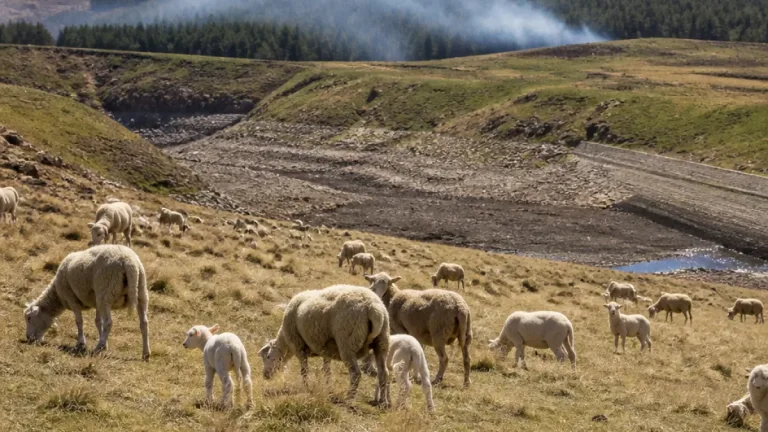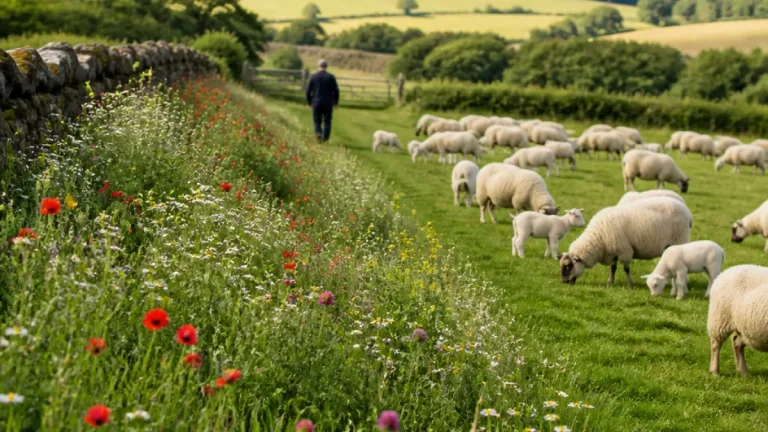

The Wildlife Trusts has raised £30m to buy the Rothbury estate in Northumberland, clearing the way for one of England’s largest nature recovery projects. The estate covers more than 3,800 hectares and includes farm fields alongside hills, open moorland, valley woodland and the River Coquet.
The fundraising campaign was launched two years ago after the estate was put up for sale by Max Percy, the youngest son of the Duke of Northumberland. At more than 3,800 hectares, the property is described as the largest area of land in single ownership to have been offered for sale in England for more than 30 years.
Farming included in the landscape vision
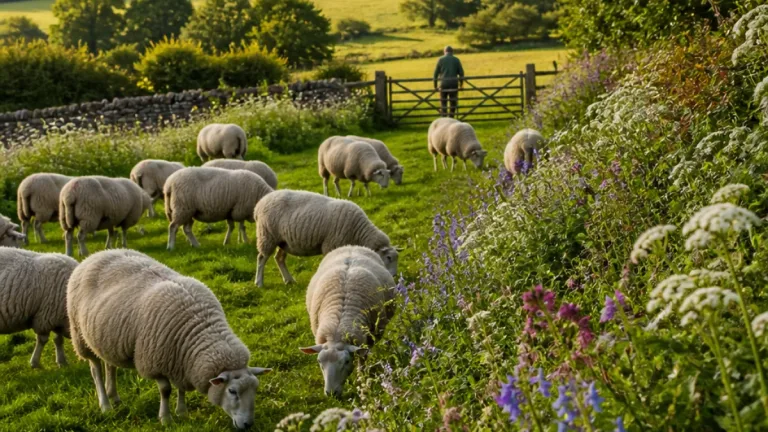
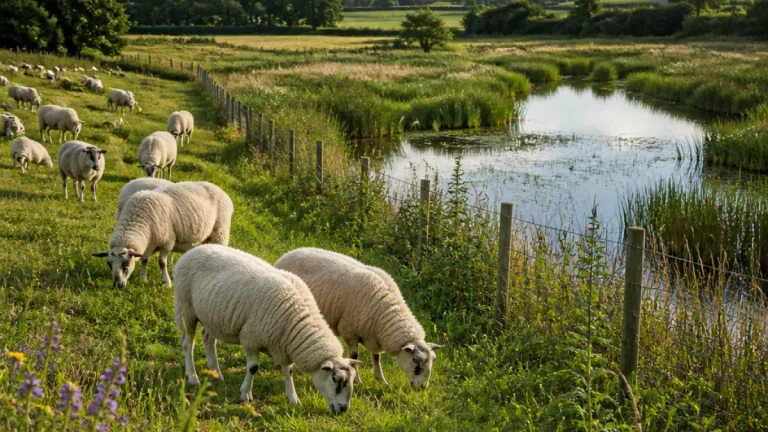
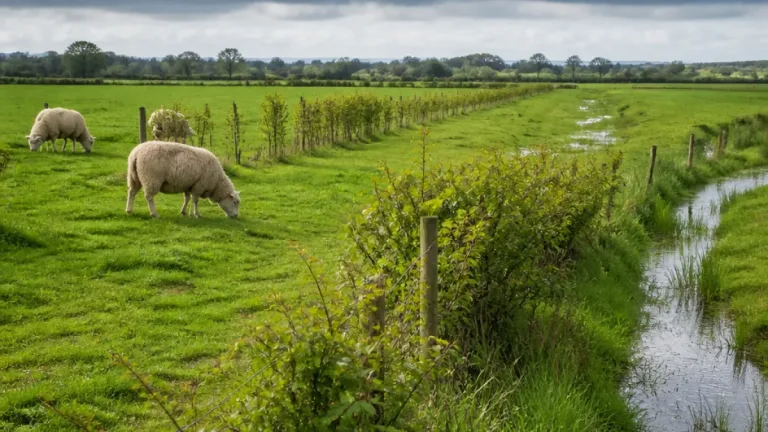
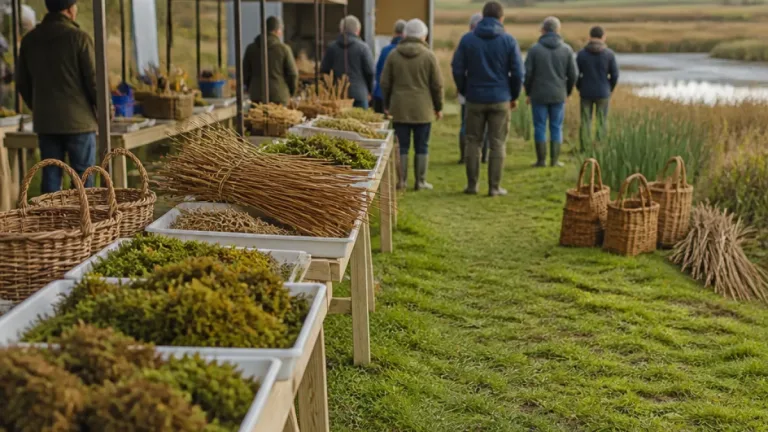
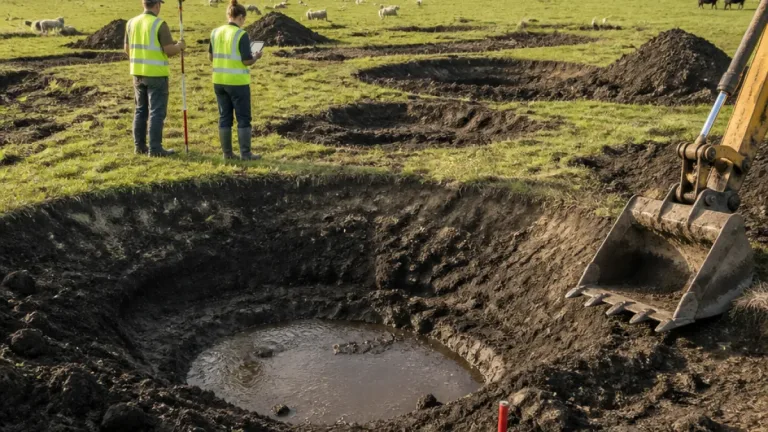
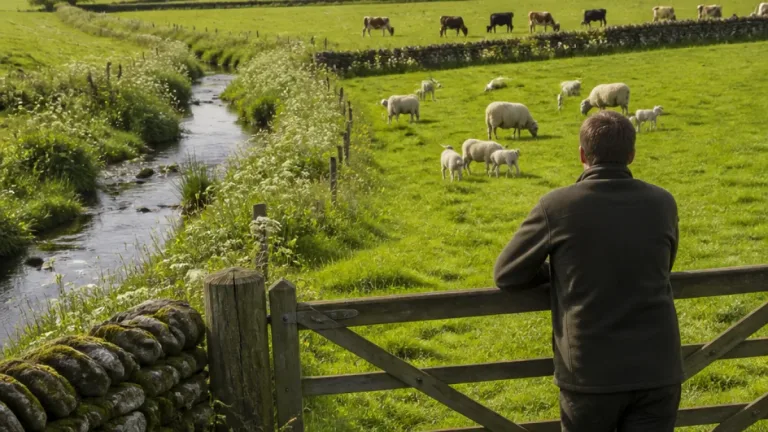
The Wildlife Trusts’ plans cover a mixed landscape rather than a single habitat. Farm fields form part of the estate alongside the Simonside hills, wild moorland, woodland and the River Coquet. The campaign has presented the acquisition as a way of bringing nature recovery together with the interests of local communities, farming and the area’s historic features.
“This will be a place where nature, community, farming and heritage can combine to create something very special for generations to come.”
That statement was made by David Attenborough, who had supported the appeal and thanked members of the public after the fundraising target was reached. He described the purchase as an opportunity to develop a landscape in which nature and people could thrive together.
Northumberland Wildlife Trust chief executive Mike Pratt said the campaign had received £17m from the public. He said the organisation would need to honour that backing and ensure that people could enjoy access to and engagement with the estate’s wildlife. The appeal had been described by campaigners as a “once-in-a-generation opportunity”.
A large and varied estate
The Rothbury estate includes several features of environmental and cultural importance. Among them is Lordenshaws, the site of an Iron Age hill fort and one of England’s largest concentrations of ancient cup-and-ring-marked rocks. The estate’s habitats also include:
- the Simonside hills;
- open moorland and valley woodlands;
- the River Coquet; and
- farm fields within the wider estate.
Pratt said he felt both “elated” at the result and “humbled” by the public response. The fundraising success means the Wildlife Trusts’ proposed purchase can now proceed, bringing a major privately owned area of Northumberland into a project centred on nature recovery while retaining farming and heritage as part of the landscape described by the campaign.