Sheep and goat pox has left a genetic record in medieval manuscripts, after researchers recovered traces of the disease from parchment made from livestock skins.
The finding, reported by Dagens.com following work described in a press release from University College Dublin, shows how material produced during the preparation of animal hides can preserve biological evidence for centuries. The international team examined historical works made from parchment derived from cattle, sheep and goats.
A biological archive in livestock skins
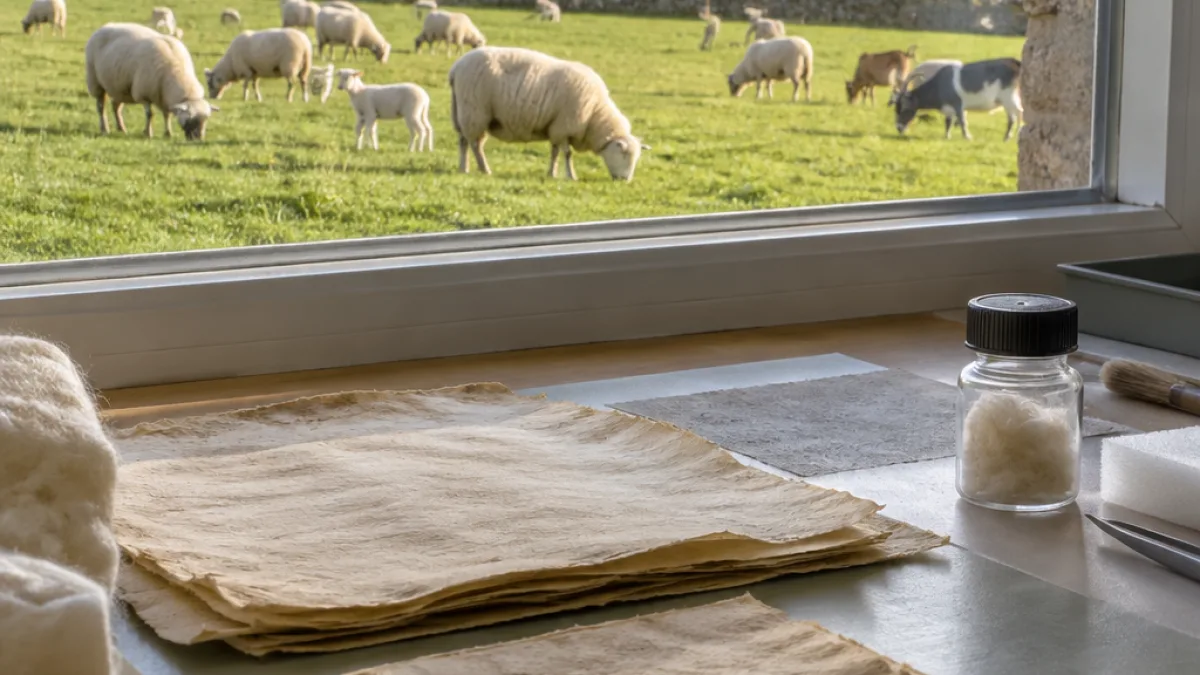
Parchment makers treated hides with lime and stretched them intensively before they were used for writing. According to the report, that process helped preserve biological material within the finished sheets. Rather than focusing only on the words written by medieval scribes, the researchers used the parchment itself as a source of historical genetic information.
Specialists identified fossil DNA associated with sheep and goat pox in several historical works. One of the reported discoveries came from the York Gospels, a manuscript produced by English monks nearly a thousand years ago and held at York Minster. The pages were used for centuries in the swearing of oaths.
Researchers collected the material using gentle dry-rubbing techniques. Dagens.com reported that the method did not scratch or otherwise damage the valuable manuscript, while the molecular signatures recovered from the vellum were identified as belonging to chordopoxvirus, the pathogen responsible for the disease.
“The remnants pose no danger today.”
The historical material is not considered a present-day hazard, but the disease itself remains significant in living flocks. The report describes sheep and goat pox as causing high fever, open sores and severe swelling of the face. Affected animals may become unable to eat, while infection can spread through shared grazing and contaminated bedding.
Relevance to flock health
Reported effects in infected herds and flocks include serious losses among young animals, poorer growth in survivors and damage to wool. The article gives a lamb mortality range of 50% to 80% in severe disease situations.
- Ancient sheep and goat pox DNA was recovered from historical parchment.
- The York Gospels was one of the manuscripts linked to the finding.
- Modern disease can cause fever, lesions, facial swelling and high lamb mortality.
By comparing genetic material preserved in old livestock skins with disease sequences studied today, researchers can investigate how sheep and goat pox has changed over time. The work also demonstrates that animal-derived materials held in libraries and archives may contain evidence about historic livestock disease, even when the original records make no reference to an outbreak.
The research does not alter current disease controls, but it adds historical depth to understanding a virus that has affected small-ruminant production for generations. Any concerns about suspected disease in a flock should be discussed with a farmer’s own vet and the relevant animal-health authorities.