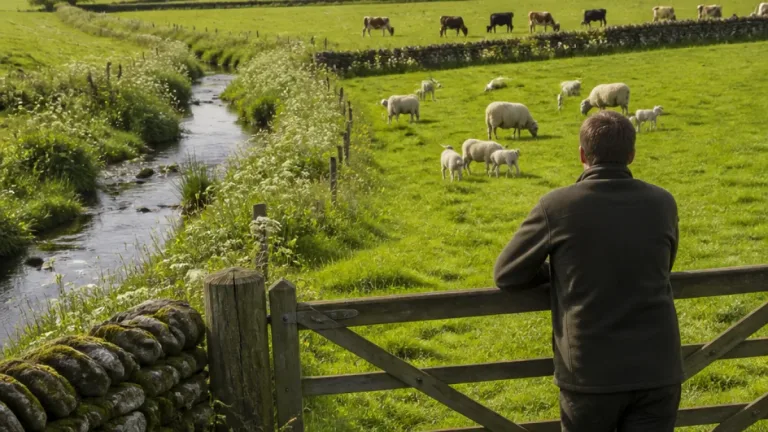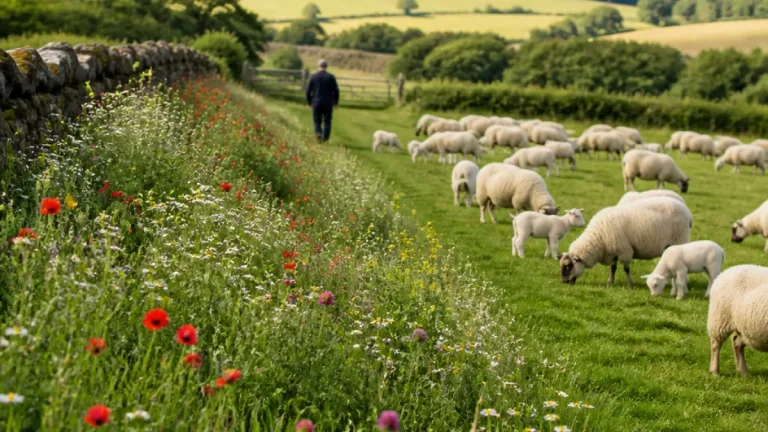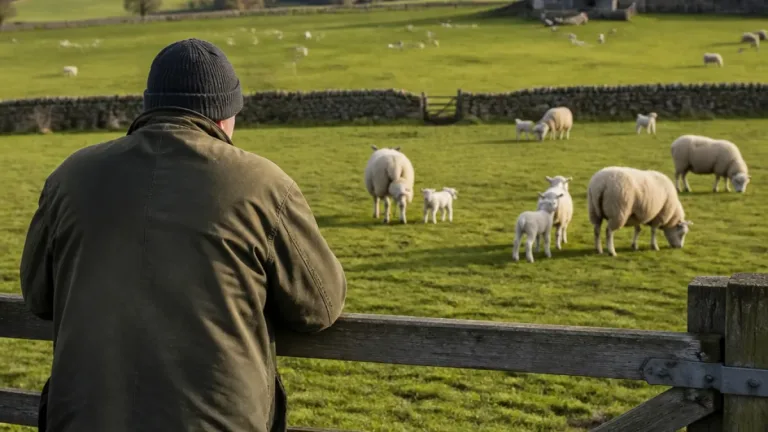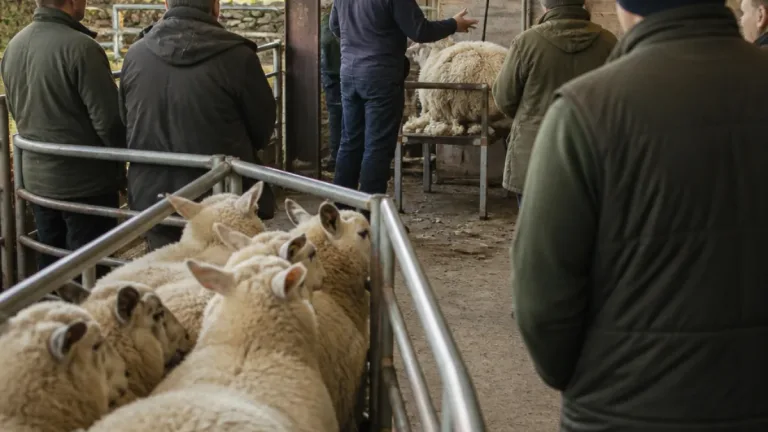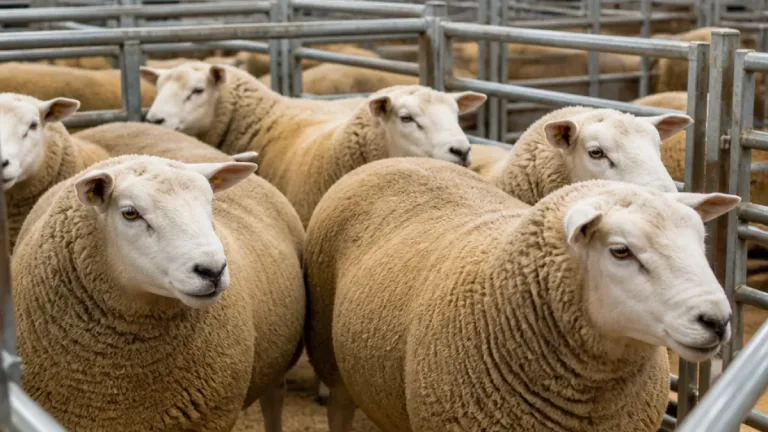
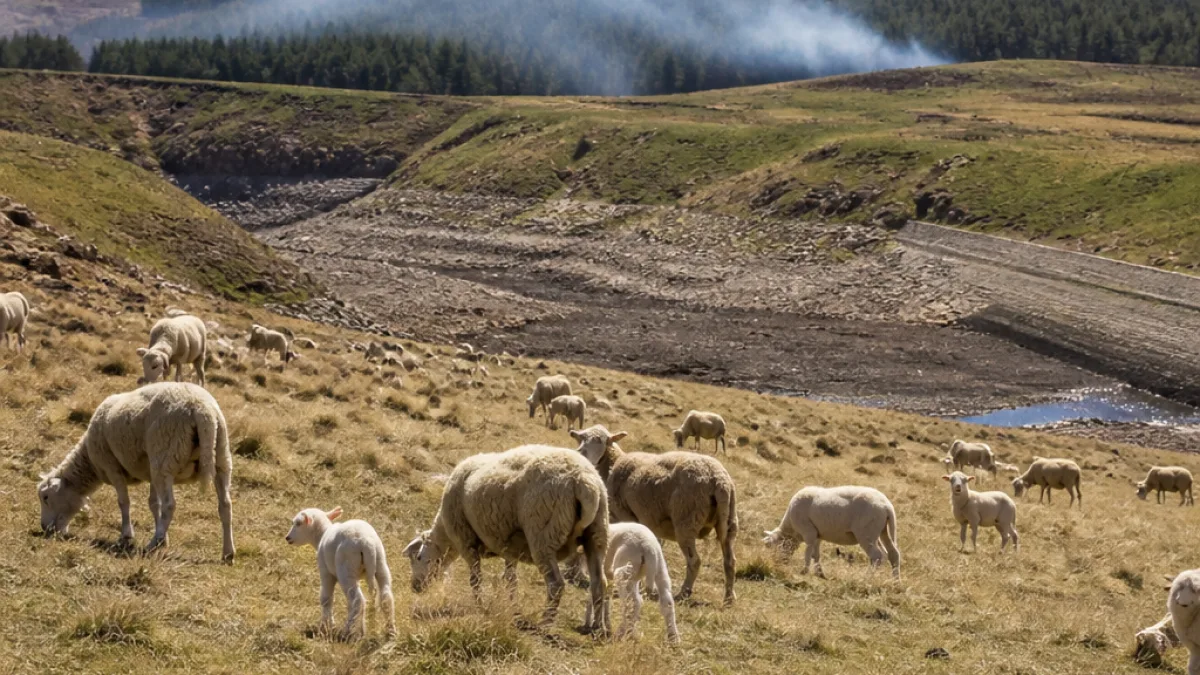
Scotland’s farming sector must adapt to a new climate reality after an exceptionally hot and dry summer in 2026, industry analysis and provisional Met Office data suggest. The period of intense heat and limited rainfall has already affected crop yields, water availability and the condition of grazing, underlining adaptation as an urgent priority for national farm resilience planning.
Record temperatures, drought and wildfires
Provisional figures from the Met Office show that summer 2026 was the UK’s hottest on record, with an average mean temperature of 16.5C across June, July and August. The same analysis recorded 40 days when temperatures exceeded 30C, and nationally July was provisionally the third driest on record, receiving just 35% of average rainfall.
The extreme weather also coincided with widespread fires. An estimated 24,835 hectares burned in 77 wildfires across the UK this summer, a figure the Scotsman piece used to underline the scale of climate-related risk to land and infrastructure.
Impacts on crops, grass and water
Sector reports show the effects were felt through the supply chain. The Agriculture and Horticulture Development Board’s harvest summaries highlighted earlier-than-normal harvests and, in many areas, cereal yields below historic averages — outcomes linked to limited rainfall and heat stress during key growth stages.
The article also places the UK experience in a European context: France reported its smallest maize harvest in half a century, while major continental rivers such as the Rhine and the Danube recorded exceptionally low flows, affecting irrigation, river transport and energy production. Those downstream pressures can feed back into UK farming via increased competition for water and disrupted supply routes.
Adaptation, resilience and the outlook
The piece argues that agriculture is among the sectors most exposed to climate change because of its direct dependence on water, forage and seasonal conditions. It calls for planning and adaptation measures to protect production systems from future heatwaves, dry spells and erratic rainfall.
Looking ahead, forecasters warned that a potentially record-breaking El Niño could make the coming year another exceptionally warm one, reinforcing the need for rapid action on adaptation. The article frames the summer as a signal that measures to cut emissions must be paired with practical steps to protect farming businesses and food supplies from more frequent extremes.
- Average mean summer temperature: 16.5C (June–August, provisional Met Office)
- Days above 30C: 40 (provisional Met Office)
- July rainfall: 35% of average (provisional Met Office)
- Wildfire area: 24,835 hectares burned in 77 wildfires (Scotsman report)
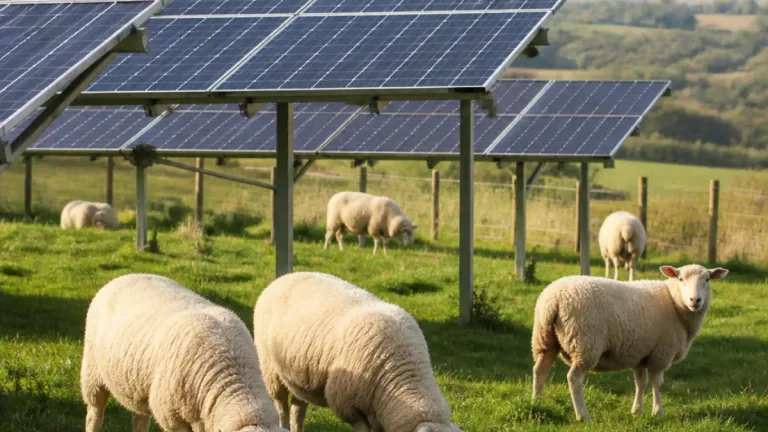
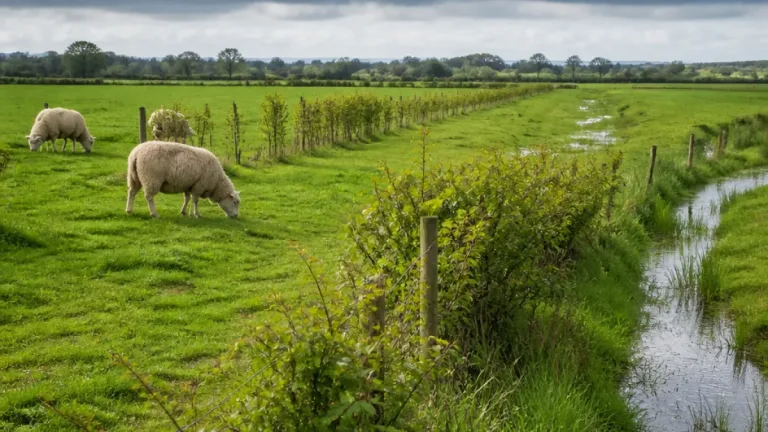
The account does not prescribe specific policy measures but stresses that the farming sector and policymakers need to consider both mitigation and adaptation. For sheep and hill farmers in particular, hotter, drier summers could mean changes in grazing management, forage planning and water resource decisions — matters that will require locally tailored responses and advisers’ input.
| metric | value | source |
|---|---|---|
| average mean temperature (summer) | 16.5C | Met Office (provisional) |
| days >30C | 40 | Met Office (provisional) |
| July rainfall | 35% of average | Met Office (provisional) |
| wildfire area | 24,835 hectares | Scotsman reporting |
As policymakers, industry bodies and advisers consider the next steps, the message from the summer of 2026 is clear: adaptation planning for hotter, drier conditions must become a core part of agricultural policy and farm-level decision-making across Scotland and the wider UK.