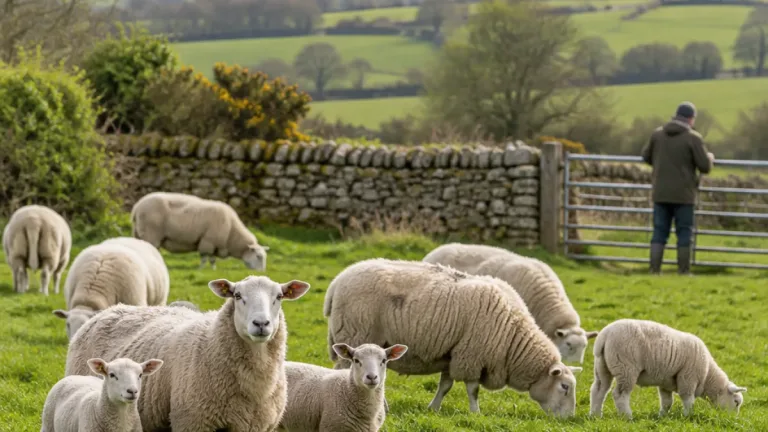
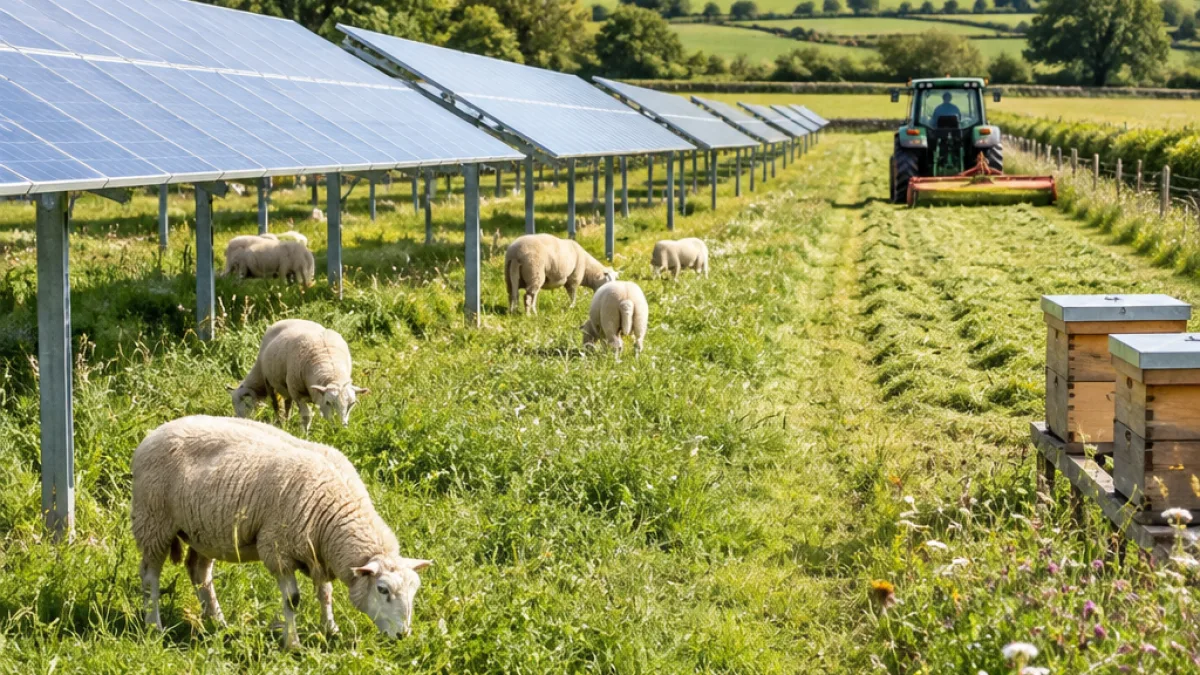
A solar development near Airdrie, Alberta, is being used for a combination of electricity generation, hay production, sheep grazing and beekeeping. General Land & Power said the Sollair Energy Project is operating across about 480 acres, with around 260 sheep using part of the site and hay being cut between the solar arrays.
The project was approved by the Alberta Utilities Commission after concerns were raised about the loss of productive agricultural land. Rocky View County had rejected the rezoning before the commission approved the development, while the City of Airdrie later settled its concerns with the developer.
Different activities across the site
The development is described as an example of agrivoltaics, where agricultural production takes place on land occupied by a solar array. General Land & Power says the project has a generating capacity of 75 megawatts and could provide an annual electricity output equivalent to the needs of about 23,000 homes.
The arrangement currently differs from the scheme considered by the regulator. That plan allocated 377 acres to sheep grazing on seeded native grass and about 176 acres to crops, forage and a three-acre market garden. The figures exceed the 480-acre area now published by the owner, reflecting a change between the approved proposal and the development in operation.
| Activity or feature | Figure reported |
|---|---|
| Solar project area | About 480 acres |
| Generating capacity | 75 megawatts |
| Sheep grazing | About 260 sheep |
| Hay and grazing area highlighted | About 60 acres |
| Honey production | About 1,000 pounds |
Sheep used where machinery is difficult
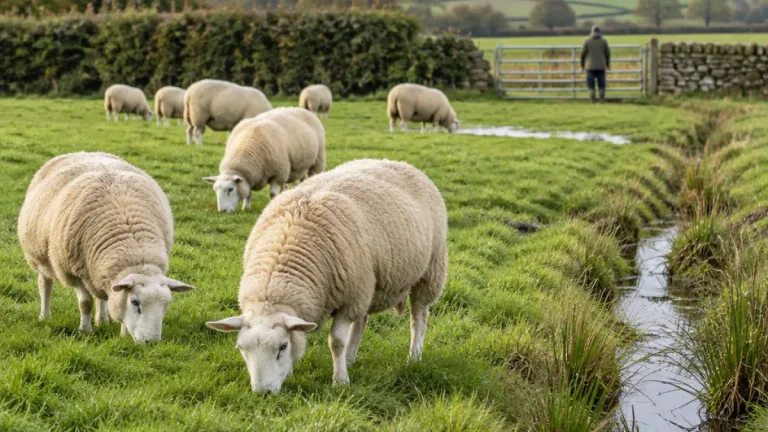
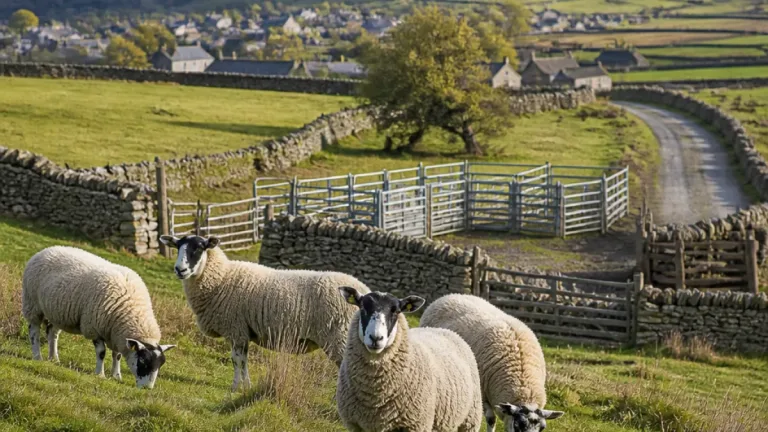
The owner said around 260 sheep are grazing a 60-acre section where hay equipment was difficult to operate. The sheep are therefore being used alongside the wider forage operation rather than replacing it. Hay continues to be harvested in other parts of the project area, including between rows of panels.
Bees are also part of the land-use model. More than two million bees are reported to have produced about 1,000 pounds of honey on the site. The combination means the same development is being used for livestock, forage and pollinator-related production while also hosting solar infrastructure.
Production evidence remains limited
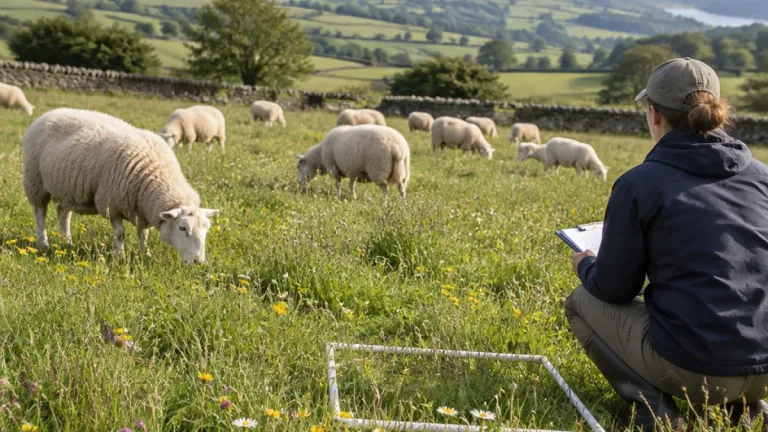
Although General Land & Power has published details of the sheep, hay and honey activities, information demonstrating the agricultural yields is not publicly available in full. The project has consequently become a practical example of the debate over whether solar developments can retain a meaningful farming function once panels are installed.
- The project is near Airdrie, north of Calgary, in Alberta.
- Sheep graze part of the site while hay is cut elsewhere and between panel rows.
- The regulator-approved land-use plan was different from the arrangement described by the owner after construction.
The Alberta development illustrates the operational questions that arise when livestock and renewable-energy infrastructure occupy the same ground: how much land remains suitable for grazing or forage, how machinery can be used around panels, and how agricultural output is measured alongside electricity generation. In this case, the published information confirms that sheep, hay and bees are present, while leaving the comparative farm yields less clearly established.