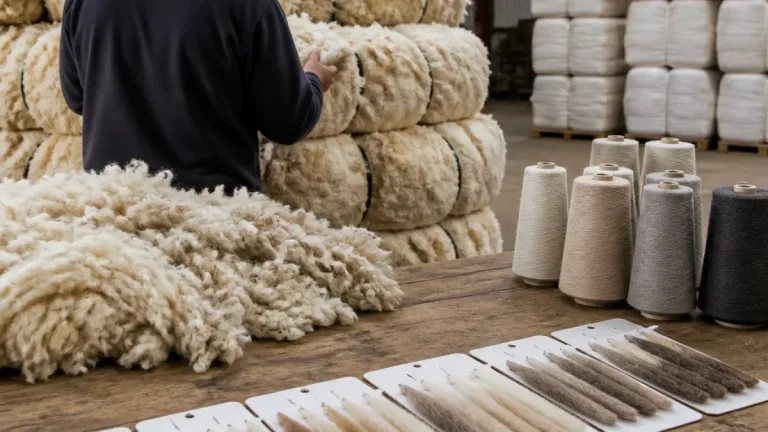
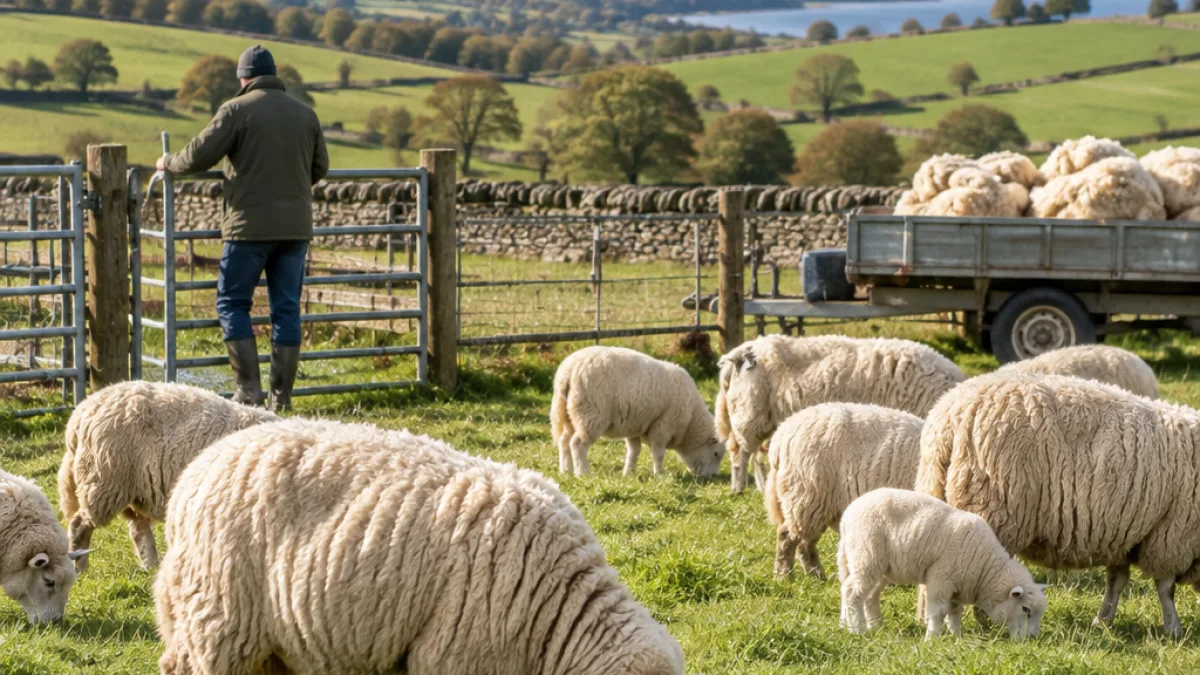
Australia’s sheep industry has made progress in animal welfare and biosecurity, but continuing pressure on productivity, operating returns and wool supply remains a central concern, according to the latest Sheep Sustainability Framework (SSF) Annual Report.
The sixth annual report brings together industry measures under four headings: animal care; environment and climate; people and communities; and financial resilience. Angus Gidley-Baird, independent chair of the SSF, said the report was intended to present both improvement and unresolved challenges across the sector.
“The value of the report is that it puts the full picture on the table. It shows where the industry is moving forward, but it is equally clear about the areas that need continued attention.”
Welfare and disease measures
One of the reported changes was in the proportion of Merino wool declared as non-mulesed or ceased mulesing. This increased from 18.6 per cent to 21 per cent, according to the report.
Australia also retained its freedom from 12 major sheep diseases. The report presents that position as an important part of animal-health performance and a factor supporting access to international markets.
| Measure | Reported position |
|---|---|
| Merino wool declared non-mulesed or ceased mulesing | 21 per cent, up from 18.6 per cent |
| Major sheep diseases from which Australia remains free | 12 |
| Gross value of sheepmeat production | $5.617 billion in 2024–25 |
Higher value but fewer sheep
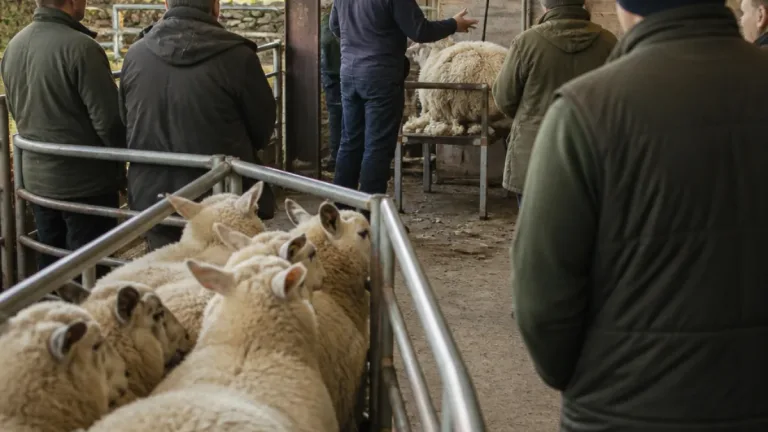
The economic picture was mixed. The gross value of Australian sheepmeat production reached $5.617 billion in 2024–25, an increase of 37.5 per cent on the previous year. However, the report also identifies declining livestock numbers as a concern for the supply chain.
Bonnie Skinner, chief executive of Sheep Producers Australia, said stronger prices had encouraged producers to invest, while warning that the availability of stock remained important to businesses throughout the sector.
“Competition for fewer sheep has driven livestock prices to record high. That’s good news for producers, but every part of the supply chain relies on a steady flow of stock for industry sustainability.”
She said the sector’s longer-term sustainability depended on continued improvement, adapting to change and retaining enough sheep to supply customers. The report therefore places the value increase alongside the reduction in livestock numbers, rather than treating stronger returns as a complete measure of industry health.
Productivity and wool supply remain concerns
Jo Hall, chief executive of WoolProducers Australia, said the framework was becoming increasingly important to businesses and organisations looking for consistent information about the sustainability of Australian wool and sheepmeat.
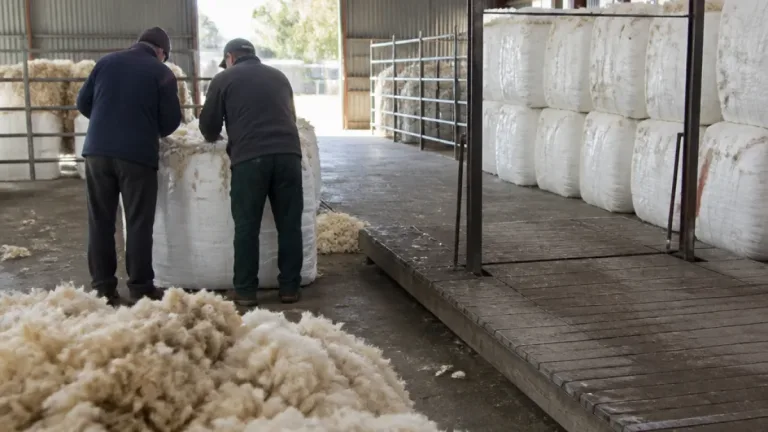
“The report identifies declining productivity, workforce pressures and falling wool supply as ongoing areas of concern.”
She also noted that sheep production competes with other uses of land, labour and capital. Those pressures are reflected in the report’s coverage of financial resilience and people and communities, alongside its environmental and animal-care measures.
The SSF report consequently gives a broad account of the Australian industry: welfare and biosecurity indicators show progress, while the supply of sheep, labour and wool continues to require attention. Its findings are particularly relevant to the wool sector because they connect production performance with the ability of the wider supply chain to maintain reliable volumes over time.