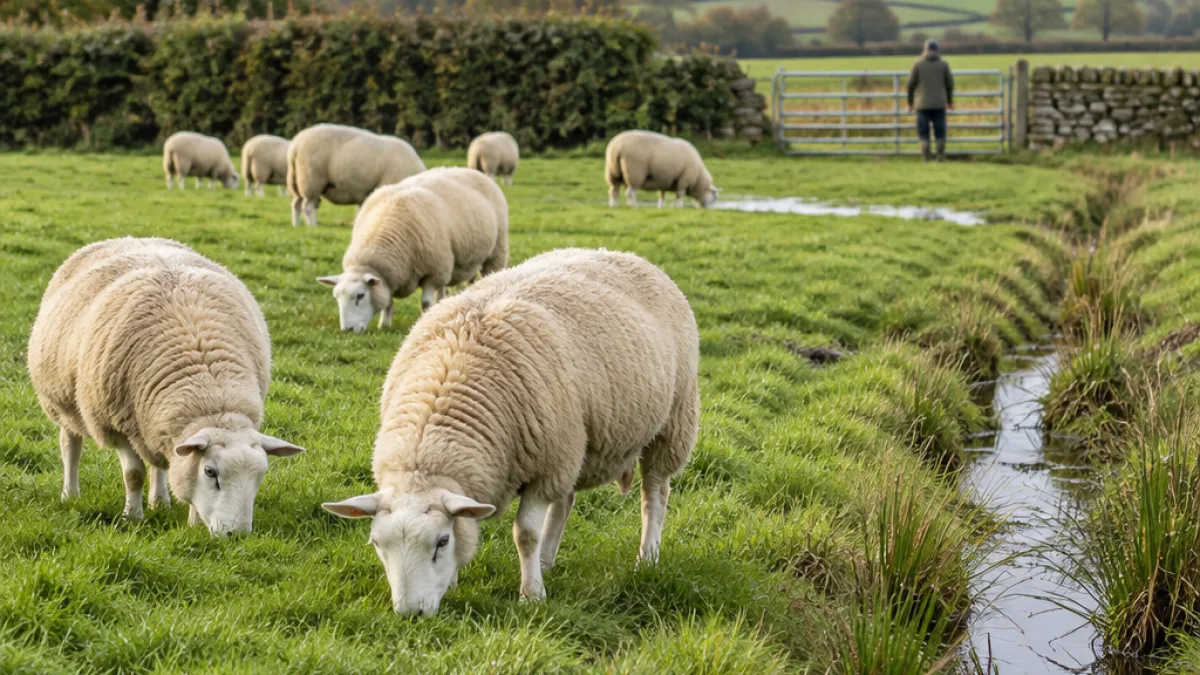
Increased rainfall during October has heightened the risk of liver fluke in sheep this autumn and winter, according to Teagasc, with western and north-western areas of Ireland traditionally carrying the greatest burden.
Joanne Masterson, Teagasc Drystock Advisor, said rainfall recorded at the organisation’s Mellows Campus in Athenry reached 167mm in October, compared with 130mm in September and 145mm in October 2025. Teagasc said the combination of wetter ground and mild temperatures provides favourable conditions for liver fluke to develop.
The Agri-Food and Biosciences Institute has also warned of liver fluke infections in cattle and sheep during the autumn and winter period. A national forecast for 2026/2027 is due to be issued shortly by the Department of Agriculture, Food and the Marine in conjunction with Met Éireann. The forecasting system uses climate information to identify areas where the risk is higher.
Why wet conditions matter
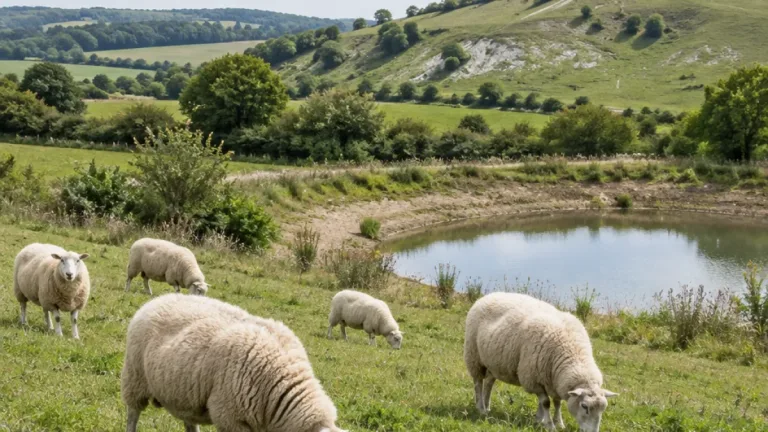
Liver fluke is caused by the flat, leaf-shaped parasite Fasciola hepatica. Its lifecycle also depends on the mud snail, which acts as an intermediate host. Sheep become infected when they graze pasture contaminated with fluke. The parasites then migrate into the liver, where they feed and grow, causing damage.
Teagasc said sheep are generally more vulnerable to severe disease than cattle. Acute infections can develop when large numbers of immature fluke burrow through the liver. This form of disease is associated with anaemia and death and typically occurs during the autumn.
The parasite takes approximately 12 weeks to reach the adult stage after being eaten. During that period, it progresses through several stages:
| Stage | Approximate timing |
|---|---|
| Early immature fluke | First 5–6 weeks |
| Immature fluke | Weeks 6–10 or 11 |
| Adult fluke | From week 11 onwards |
Once mature, the parasites produce eggs which pass out in the sheep’s faeces. When temperatures rise above 10°C, the eggs can hatch and continue the lifecycle through mud snails. This means that rainfall, temperature and land type all influence the timing and severity of risk.
Regional variation in risk
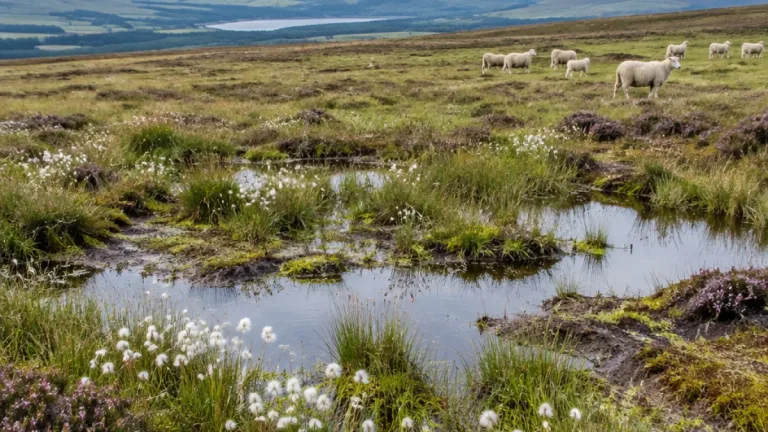
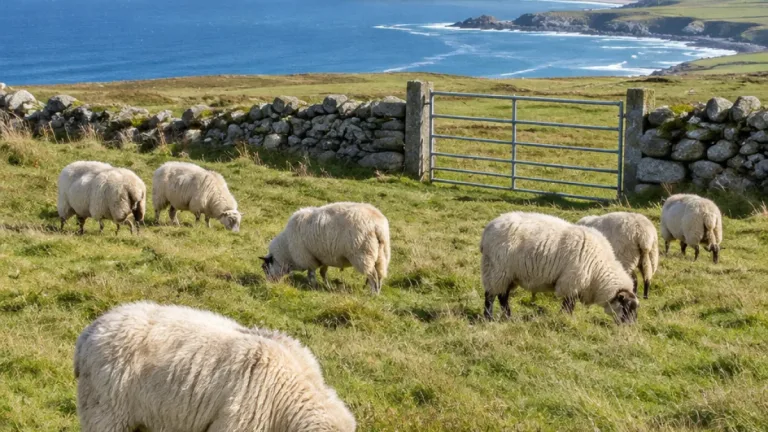
Teagasc identified the west and north-west of Ireland as areas that traditionally experience higher liver fluke burdens, largely because of their higher rainfall and the types of land found there. The recent increase in October rainfall is therefore an important factor in assessing risk this season, although the forthcoming national forecast will provide further regional guidance.
Farmers assessing possible liver fluke problems should discuss testing, control and treatment with their own vet, taking account of local conditions and the stage of infection. Teagasc’s warning underlines the importance of using the official forecast alongside flock health records and professional veterinary advice rather than relying on a fixed seasonal routine.