Bluetongue infections detected in Ireland during 2026 may have been linked to infected midges arriving from the UK during the summer, according to Professor Conor McAloon, Director of the Centre for Veterinary Epidemiology and Risk Analysis (CVERA) at UCD.
Speaking on the Dairy Edge podcast on 16 November 2026, Professor McAloon said he had not seen convincing evidence that bluetongue had overwintered in Ireland after 2025. His assessment was that cases identified during 2026 were more likely to have followed the arrival of infected midges from the UK.
The timing of infection has implications for livestock health. Professor McAloon said infections acquired during the autumn could be associated with a risk of abortions, as well as calves being born with congenital or neurological problems in spring 2027.
Risk may change between seasons
The veterinary epidemiologist said the absence of disease during the early stages of the breeding season was positive for the herds that avoided infection at that time. However, the potential consequences of later infections mean that animal-health planning will remain important as farmers approach the 2027 spring period.
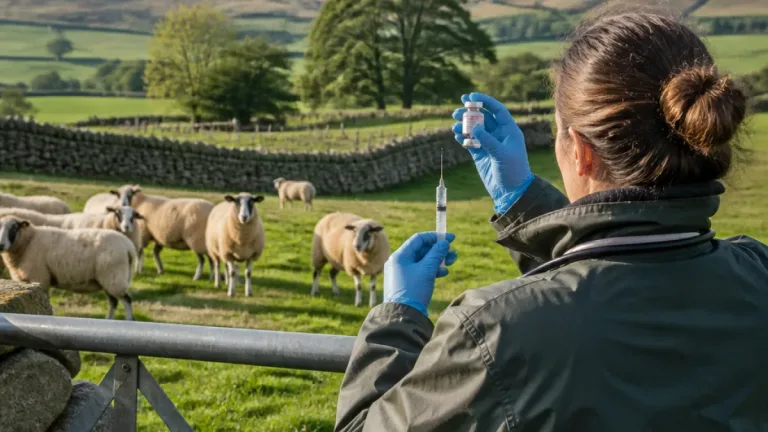
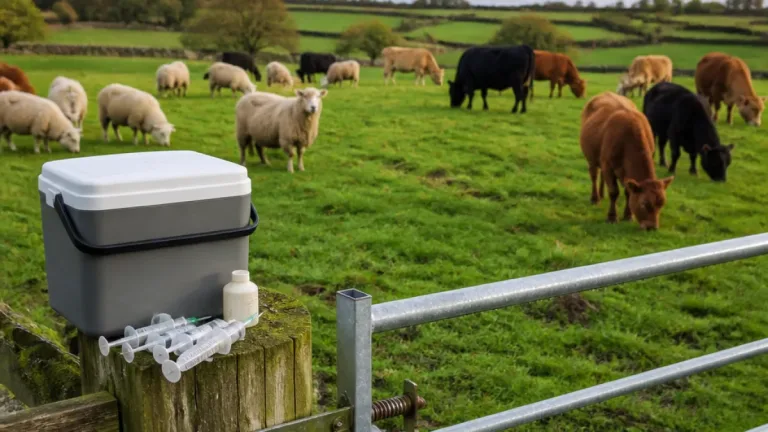
Professor McAloon said vaccination had been a sound decision for herds that chose to use it, while stressing that no vaccine is completely effective. He said vaccination had protected the herds that took that route, but that plans may need to be reviewed as the pattern of disease becomes clearer.
“An annual booster for now, pending more information, will be required in 2027 but vaccination advice will have to be adapted each year potentially as different disease risks emerge and recede.”
The comments come as bluetongue and other diseases spread by biting midges remain a concern across Ireland and Great Britain. The discussion focused on the need for decisions to reflect the circumstances of each farm rather than relying on a fixed approach to vaccination or disease management.
Advice and preparation
Professor McAloon said farmers should work with vets and advisers when assessing their options. He identified several factors that need to be considered when making animal-health decisions:
- the cost of vaccination;
- the possible losses associated with disease;
- the labour involved in managing sick or affected animals; and
- the disease risks emerging during each season.
He said midge-borne disease incursions were likely to become more common and urged farmers to take an adaptable approach to animal health. Farmers considering vaccination or concerned about possible disease should discuss their individual circumstances with their own veterinary practitioner or adviser.
The Dairy Edge is a co-production with LastCastMedia.com. The episode also covered other midge-borne viruses currently affecting Ireland.