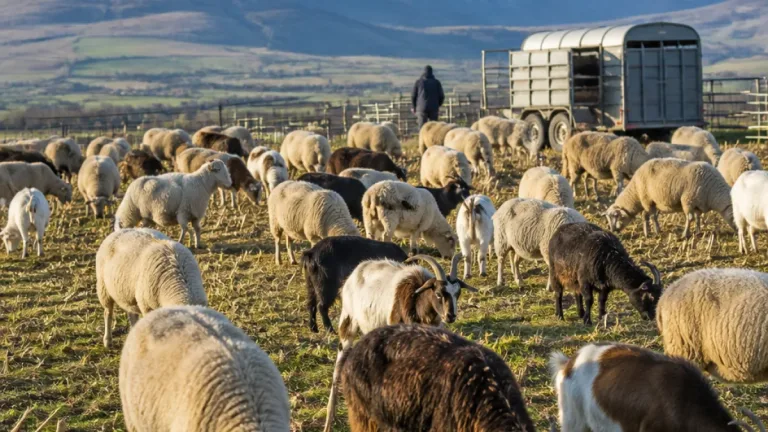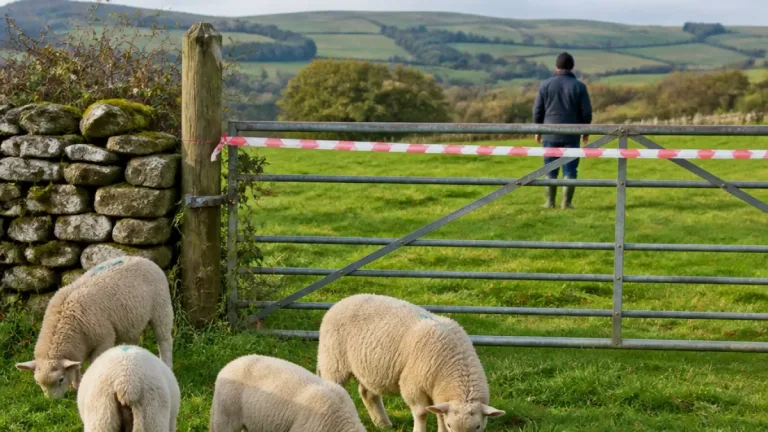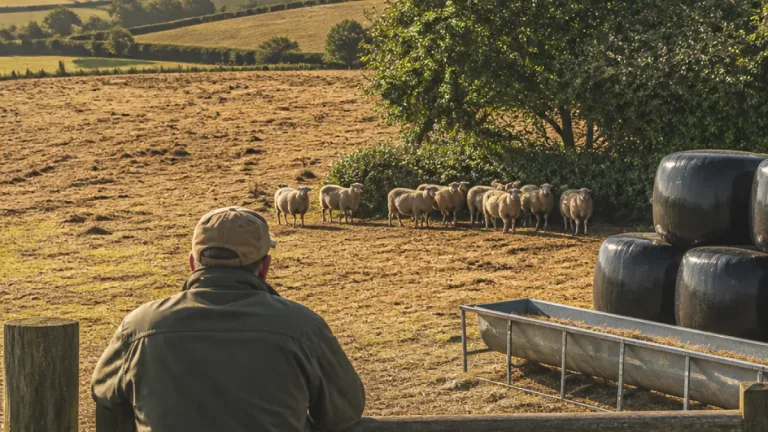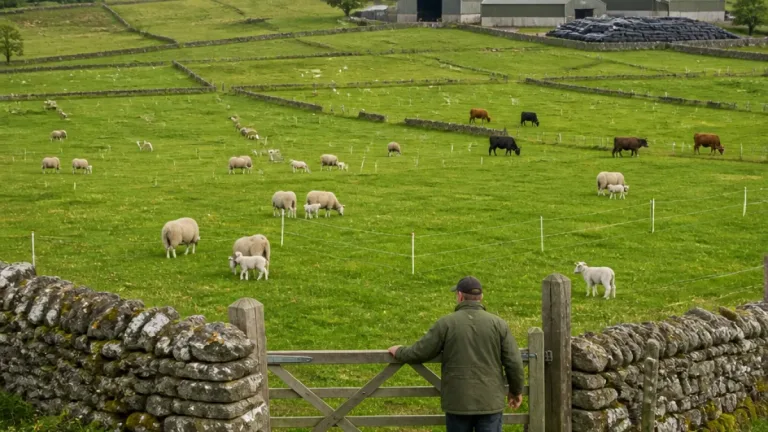
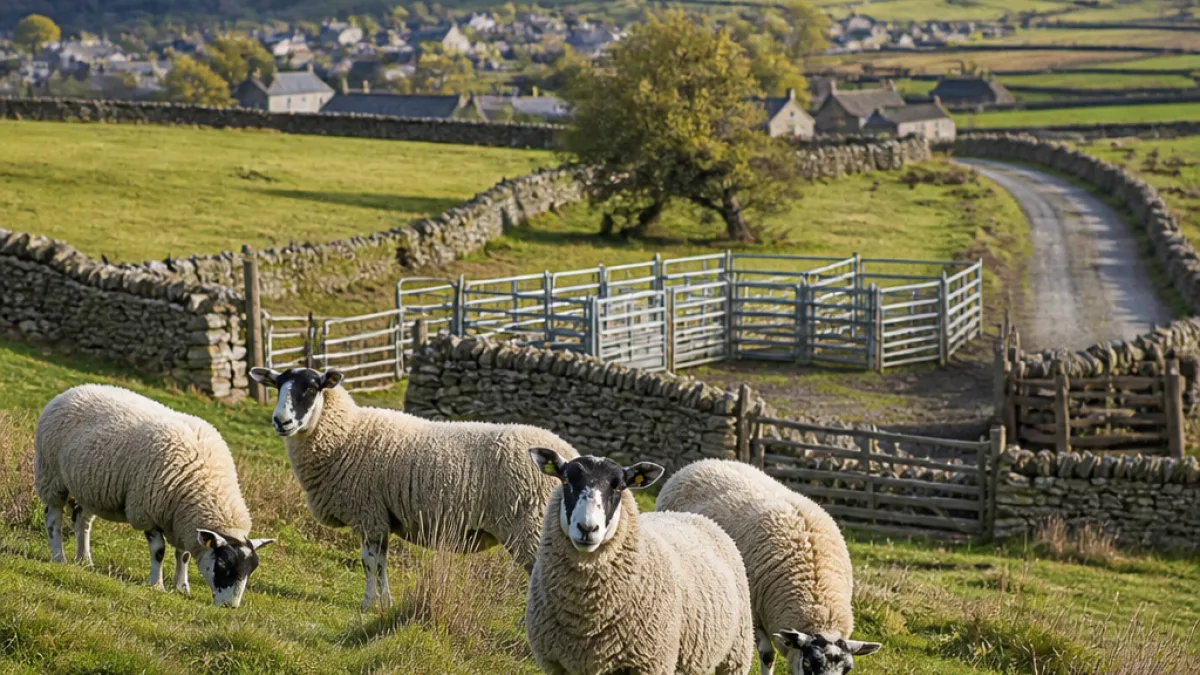
The loss of sheep from parts of Britain’s uplands could affect rural economies, livestock markets and traditional shepherding skills, the National Sheep Association (NSA) has warned.
Concerns were discussed at a multi-stakeholder meeting organised by the NSA in West Yorkshire on 25 September. The meeting brought together farming groups, environmental organisations, water companies, fire services and parliamentary representatives to consider the future management of upland areas.
Managed grazing in the policy debate
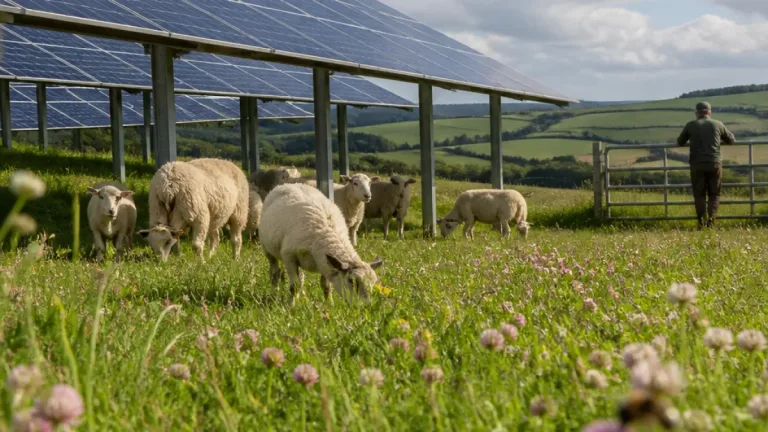
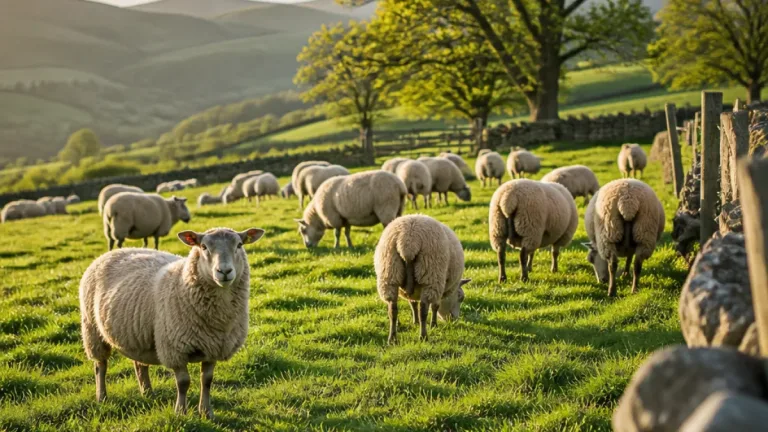
The NSA said sheep are disappearing from hill farms in some parts of the UK, with implications for both food and fibre production and the management of natural resources. The organisation is calling for national policy to give greater recognition to the environmental contribution of carefully managed grazing.
“NSA is encouraging policy makers to recognise how carefully managed grazing, using suitable livestock at the right time, can benefit nature, society, carbon storage and water quality.”
Michael Priestley, policy manager at the NSA, said farmers were concerned about the direction of agri-environment schemes, particularly in situations where livestock were removed and land management was abandoned. He said this had allowed large quantities of woody vegetation to build up in some upland areas, creating what he described as a serious fire risk.
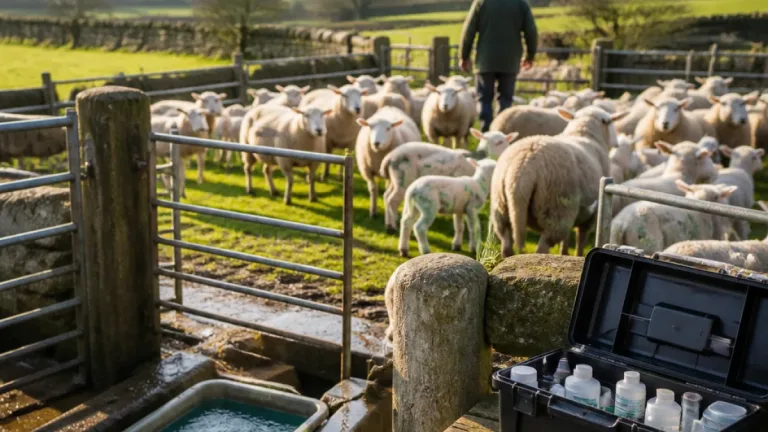
The association said the decline in flocks was also putting pressure on abattoirs and livestock markets. It linked the reduction in sheep numbers to the future of skills associated with shepherding, adding that the issue extends beyond individual farm businesses to the wider infrastructure supporting upland production.
Organisations seek common ground
Representatives at the West Yorkshire meeting included the Food, Farming and Countryside Commission, Rewilding Britain, the National Gamekeepers Organisation, Yorkshire Water and the National Trust. MPs John Fenton-Glynn and [name incomplete in supplied text] also took part.
Mick Rhodes from West Yorkshire Fire Service said the range of organisations represented was encouraging. While he said there was not yet a clear consensus on every aspect of the future direction, he identified substantial common ground and a willingness to continue discussions constructively.
“Whilst there may not yet be a clear consensus on every aspect of the future direction, I agree that there was a great deal of common ground and a willingness to continue the conversation in a positive and constructive way.”
The NSA’s position is that upland sheep farming can support several objectives at the same time, including food and fibre production, nature management, carbon storage and water quality. Its call for better recognition of managed grazing places the role of livestock within the continuing debate over how Britain’s uplands should be managed.
Issues raised at the meeting
- The reported loss of sheep flocks from some UK upland areas.
- The effect on abattoirs, livestock markets and shepherding skills.
- The NSA’s call for policy recognition of carefully managed grazing.
- Concerns over woody vegetation accumulation and fire risk in some areas.