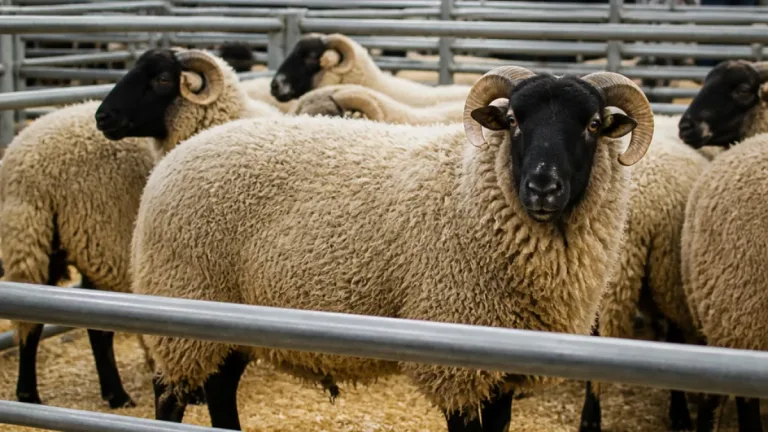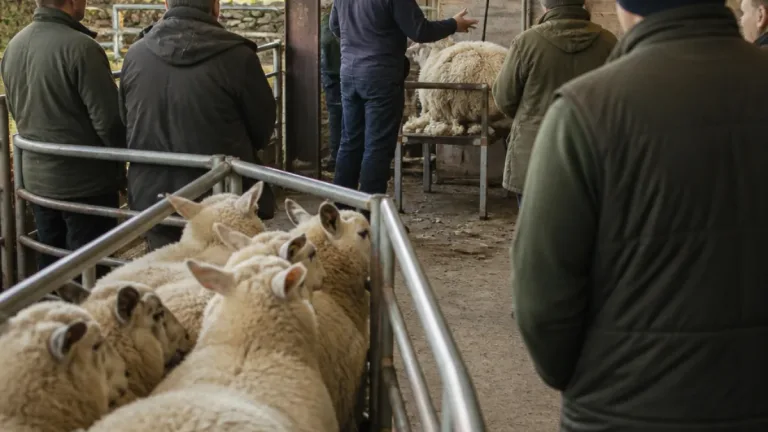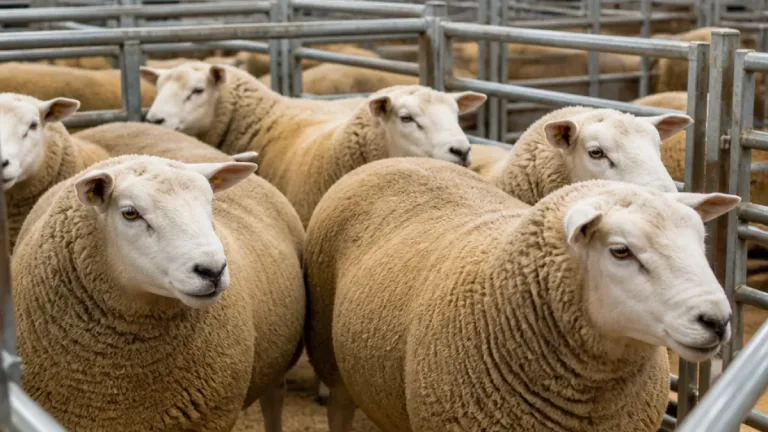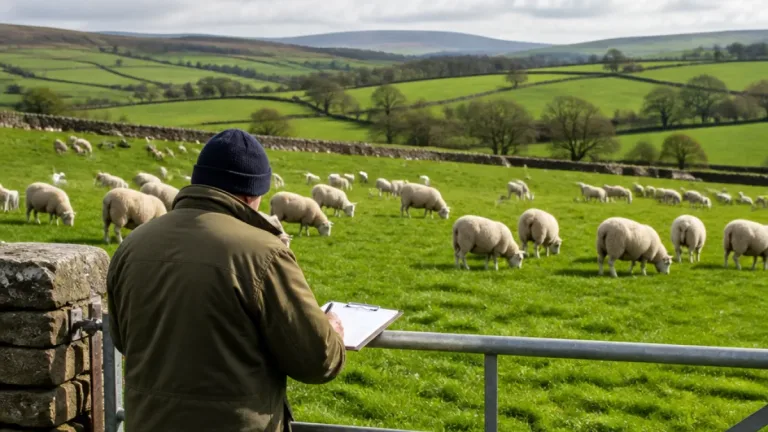
About 300,000 animals are expected to move from mountain pasture to agricultural land in northwest China this winter, as herders use crop residues to feed livestock and reduce pressure on grasslands.
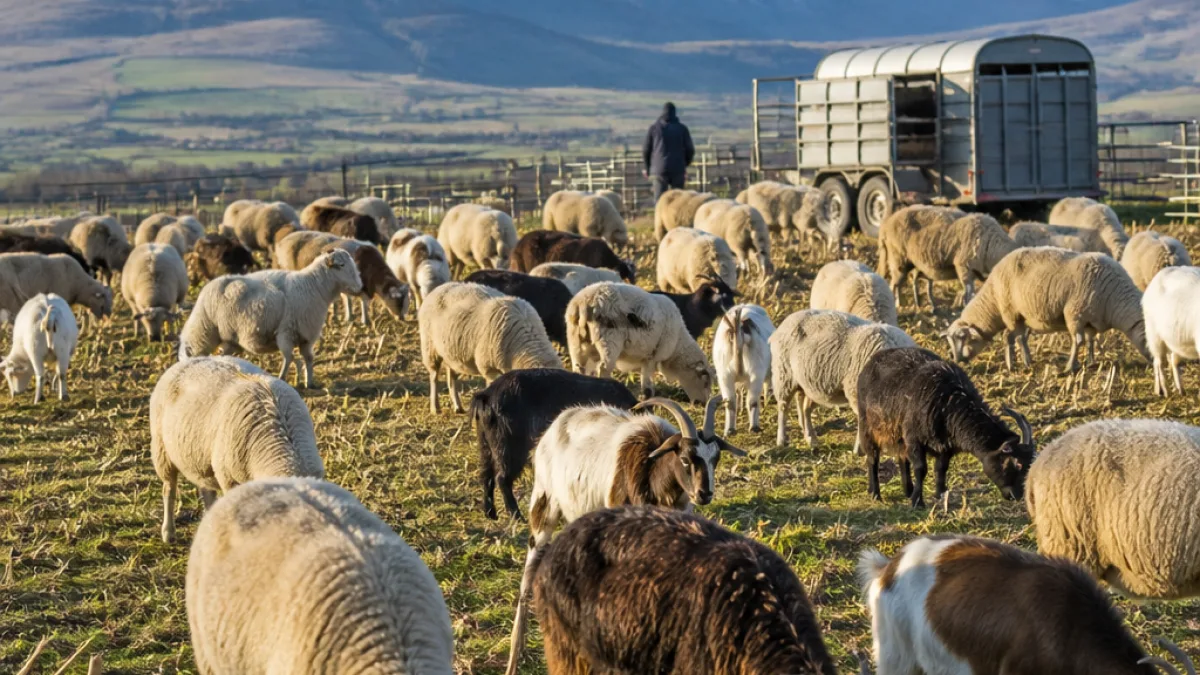
The seasonal arrangement begins in late October in the Qilian Mountains, where livestock from pastoral areas are transported to rented fields in the Hexi Corridor. The animals remain there for roughly five months, before returning to the mountain grasslands in spring.
Crop residues provide winter feed
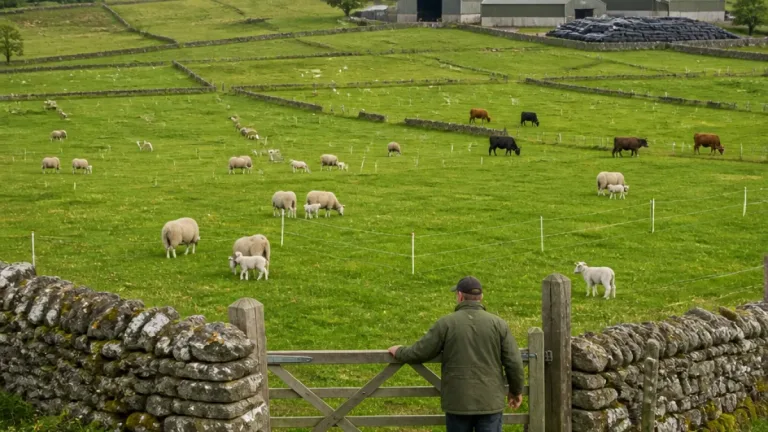
In Sunan Yugur Autonomous County in Zhangye, Gansu, herders are moving livestock more than 100 kilometres to fields in neighbouring Gaotai, Linze and Minle counties. The animals graze crop stubble, including fallen corn and other remaining plant material, during the winter period.
The approach is intended to provide a feed resource when mountain grazing is under greater seasonal pressure. The participating households rent agricultural land at between 330 and 400 dollars per hectare. The livestock consume the remaining crop material, while manure is deposited on the fields.
| Element | Reported detail |
|---|---|
| Winter grazing period | Roughly five months |
| Animals expected to return in spring | About 300,000 |
| Field rental cost | 330 to 400 dollars per hectare |
| Households involved | About 1,000 each autumn |
Resting the Qilian grasslands
The Qilian Mountains extend for nearly 1,000 kilometres along the northeastern edge of the Qinghai-Tibet Plateau, between western Gansu and northeastern Qinghai. The winter relocation allows mountain pasture to rest for five months, with local authorities reporting that vegetation coverage has steadily improved as grazing pressure has fallen.
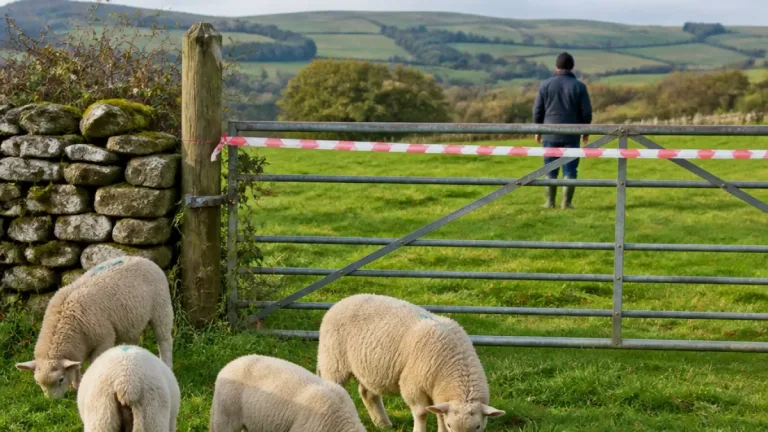
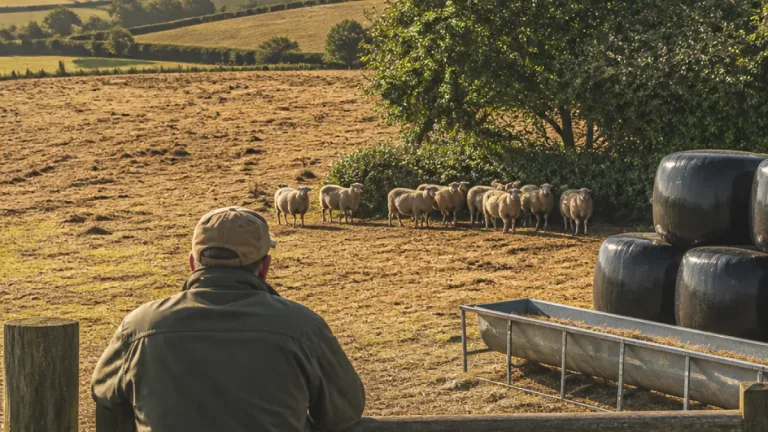
Participating households currently represent a quarter of the total in Sunan. More than 200 sheep had already been relocated from one herder’s pasture, while more than 110 young yaks were also prepared for transport. The animals were loaded on to disinfected double-decker trucks for a journey of about two hours to Gaotai County.
Local authorities supplied protective kits containing disinfection equipment and other supplies before the livestock travelled. The movement by road enables herders to use farmland outside the mountain region without relying on the pasture during the winter months.
Residue management and livestock production
The system combines winter feeding with the removal of leftover crop material from fields. Once the animals have grazed the residues, their manure remains on the land as organic fertiliser, linking the pastoral and agricultural parts of the local farming system.
For the herders, the reported benefit is access to winter feed while livestock maintain their weight on crop stalks and fallen corn. For the mountain environment, the five-month break provides a recovery period before animals return to the Qilian grasslands next spring.