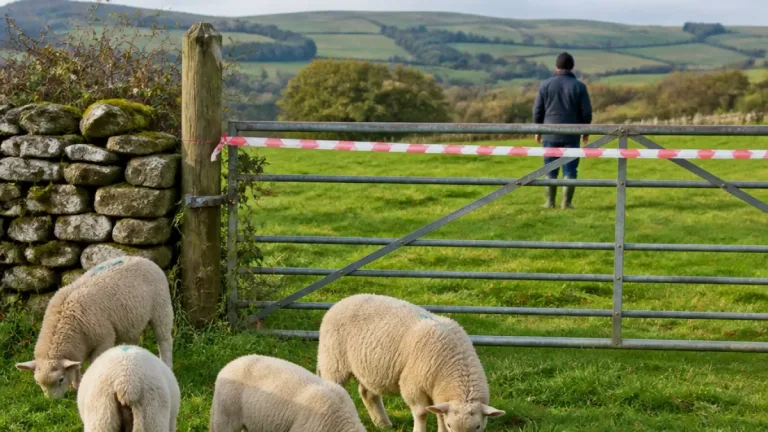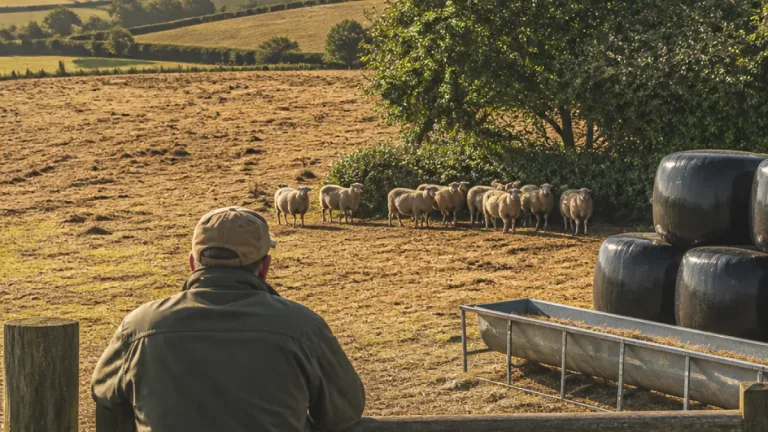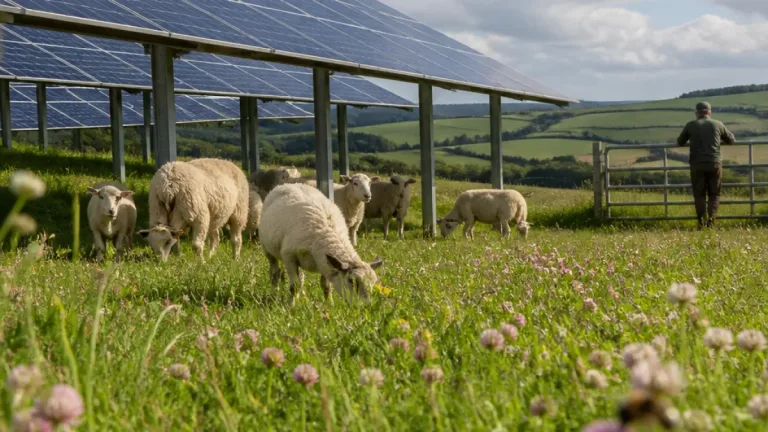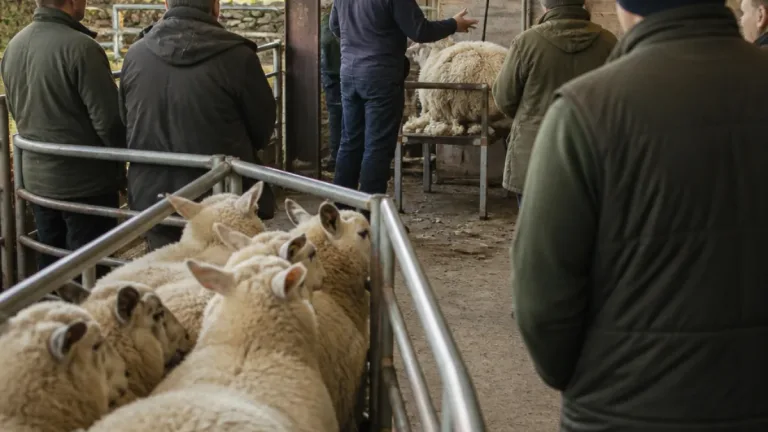
The British Farming Awards have recognised a North Yorkshire farm for its regenerative practices and honoured a livestock board chair for her work in transforming a family enterprise, with both winners highlighting systems change on farms that include sheep production.
Farm awarded for multi-paddock grazing and ewe management
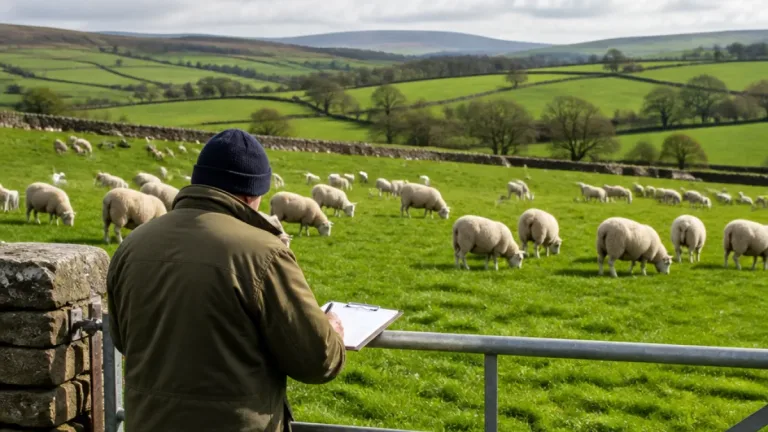
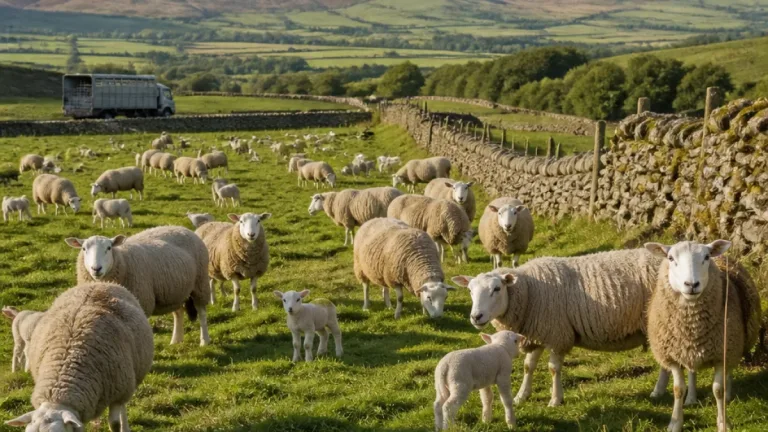
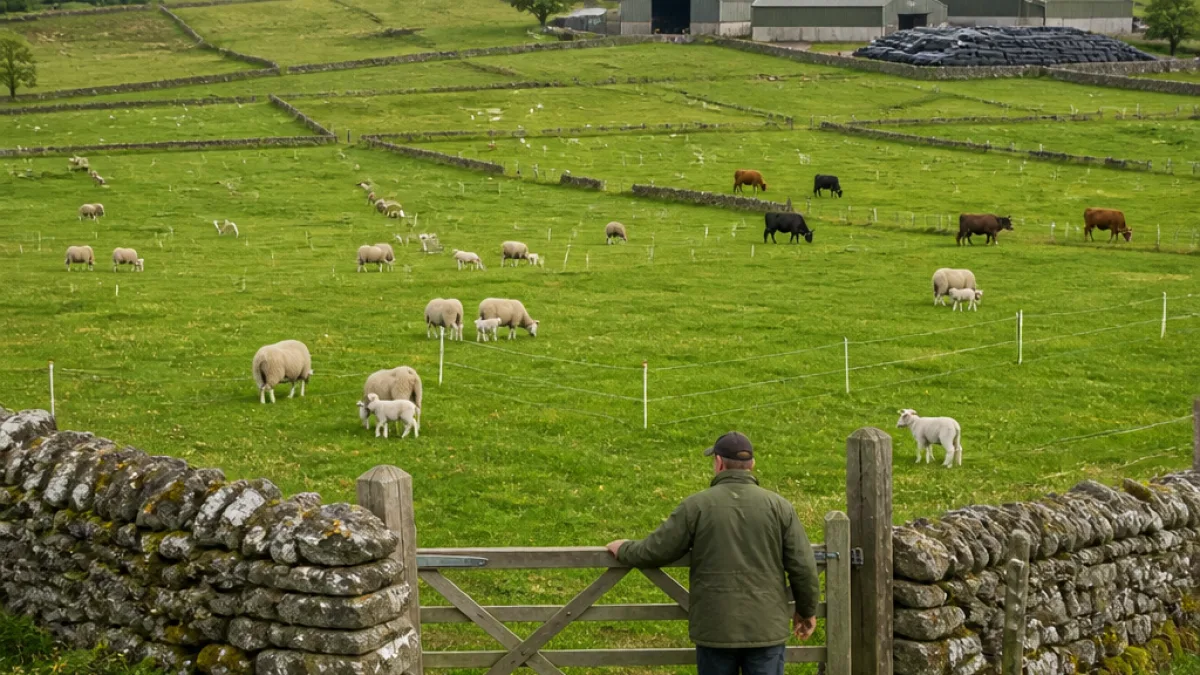
James Johnson, who farms at Mallard Grange Farm three miles west of Ripon alongside his father Charles, was named Regenerative Farmer of the Year. The entry described a system built around multi-paddock grazing, diverse herbal leys, reduced tillage and direct drilling across the farm’s 300-hectare holding, supporting a flock of 400 ewes alongside 140 suckler cows and pasture-raised hens.
The judges highlighted several practical outcomes from those changes, including reduced fertiliser use, improved soil structure and deeper rooting, and lower veterinary costs linked to reduced wormer use. The farm also integrates sheep into arable rotations, with sheep grazing cereal crops in spring to help reduce disease pressure and fungicide requirements.
“Farming is going through the hardest time at the moment, there are so many uncertainties, but I’ve always been a glass half full kind of person, so it’s amazing to come together and showcase what we do to all the people in the industry, especially the youngsters coming up”
The quote above was given by James Johnson in the Yorkshire Post coverage of the awards.
NFU livestock board chair named Agriculture’s Woman of the Year
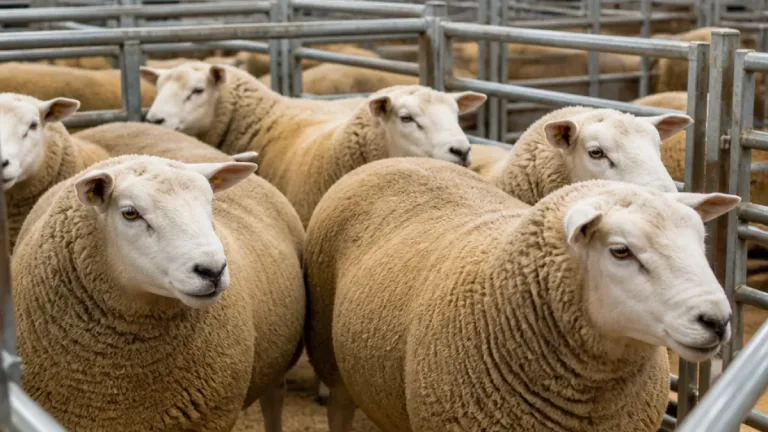
Also recognised at the awards was Clare Wise, NFU Livestock Board Chair and North Riding and Durham County Chair, who was named Agriculture’s Woman of the Year. Judges noted her role in transforming the family farm, which included replacing a pedigree Texel flock with 500 commercial sheep and introducing Total Mixed Ration feeding while bringing more operations in-house.
“Growing up you did not just have to be as good as a man, you had to be better, do not think you are not enough because in this industry you absolutely are.”
The Yorkshire Post reported Ms Wise’s words following her award.
Practical highlights from the winning entries
- Mallard Grange Farm: multi-paddock grazing, 400 ewes, pasture-grazed hens, cereal grazing by sheep in spring, reduced artificial fertiliser use and reduced wormer use.
- Clare Wise’s family farm: transitioned from a pedigree Texel flock to 500 commercial sheep, introduced TMR feeding and internalised more farm operations.
- Judges’ emphasis: profitability, biodiversity and farming system resilience in the face of recent extreme weather events were cited when awarding the regenerative prize.
| award | recipient | key facts |
|---|---|---|
| Regenerative Farmer of the Year | Mallard Grange Farm (James and Charles Johnson) | 300 hectares; 140 suckler cows; 400 ewes; multi-paddock grazing; reduced fertiliser and wormer use |
| Agriculture's Woman of the Year | Clare Wise (NFU Livestock Board Chair) | Replaced pedigree Texel flock with 500 commercial sheep; introduced TMR feeding |
The awards underline a shift among some livestock producers towards mixed farming systems and management practices that seek to reduce input costs while supporting biodiversity and resilience. The Yorkshire Post coverage also noted the Johnsons’ experience of extreme weather in 2019 and 2020 as a driver for system change and cost reductions such as cutting fertiliser bills to roughly a third of previous levels.
Both winners received national recognition for farm-level decisions affecting sheep enterprises — from flock composition and feeding systems to grazing strategies and integration with arable crops — that illustrate practical responses to economic and environmental pressures facing UK livestock farms.