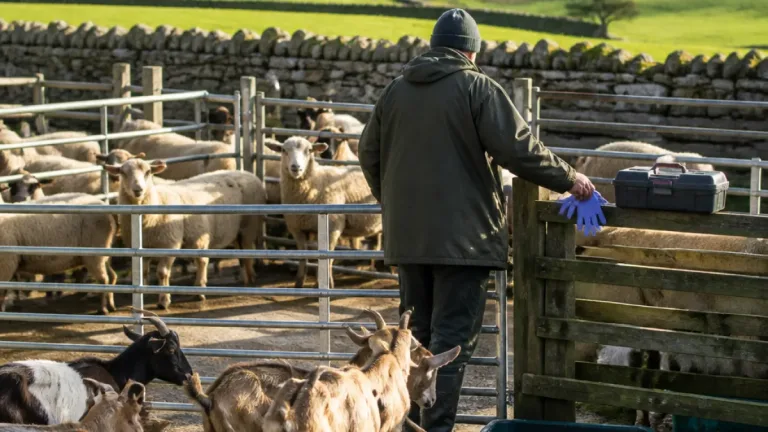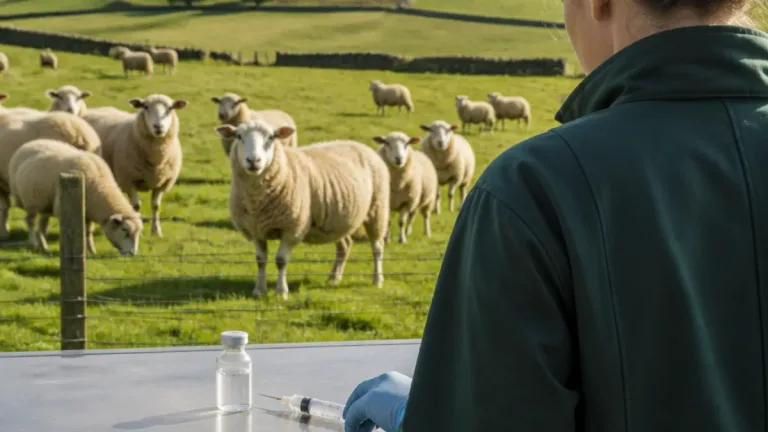
Nearly 500 farms in Wales have now recorded confirmed cases of bluetongue virus serotype 3 (BTV-3), according to the Chief Veterinary Officer for Wales, Dr Richard Irvine.
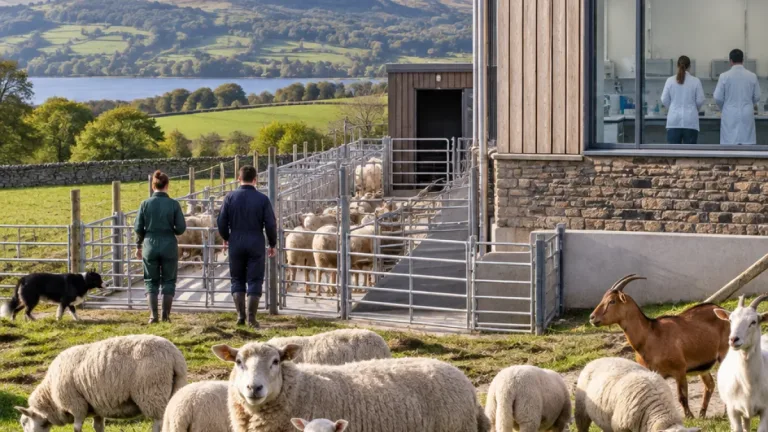
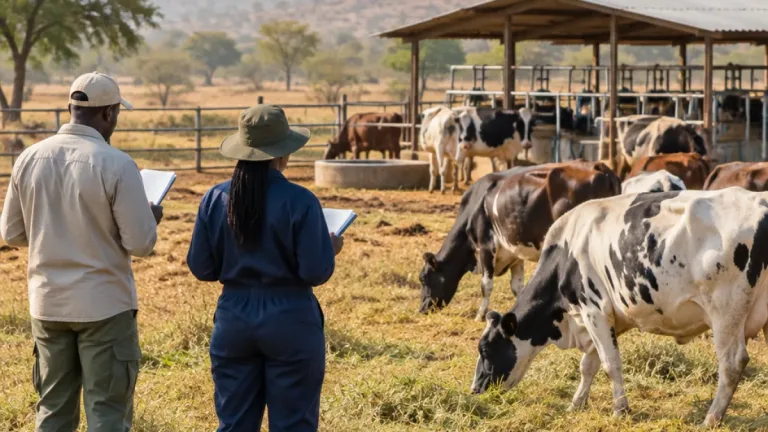
With the disease expected to remain present over winter, Welsh livestock keepers are being urged to begin preparations for the 2027 bluetongue season rather than wait until disease pressure increases. The warning applies to keepers of susceptible animals, including sheep and cattle.
Early planning urged
Dr Irvine said the latest case total represented a significant point in the current season and reflected the continued spread and impact of BTV-3 across Wales and Great Britain. He said vaccination should remain a priority for keepers seeking to protect their animals.
“We are now reaching a significant milestone, with almost 500 farms across Wales with confirmed BTV-3 cases this season.”
Dr Richard Irvine, Chief Veterinary Officer for Wales
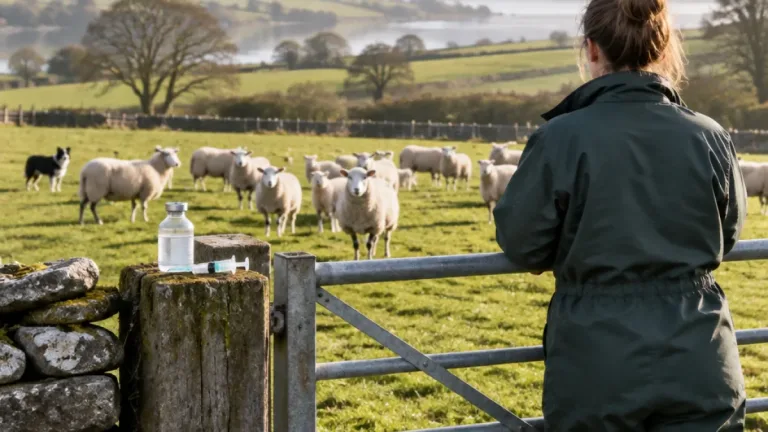
According to Dr Irvine, vaccination is the only viable long-term measure identified for protecting livestock against bluetongue. He also warned that BTV-3 would persist through the winter, making preparation for a recurrence in 2027 important.
The advice comes after reports of serious disease impacts in parts of south-west England during the summer. Dr Irvine said similar conditions could develop in Wales next year and urged keepers to speak to their vet about planning and placing vaccine orders in good time.
Key actions for livestock keepers
- Discuss a BTV-3 vaccination plan with the holding’s vet.
- Consider vaccine requirements early, before demand rises during the next season.
- Check the bluetongue status and vaccination history of replacement animals before purchase.
- Remain alert to signs of disease and continue reporting concerns through the appropriate veterinary channels.
Dr Irvine said early action could help livestock receive protection before disease pressure built up. He also linked advance ordering with demand for BTV-3 vaccines, noting that supplies had been difficult to secure when demand increased rapidly during the summer.
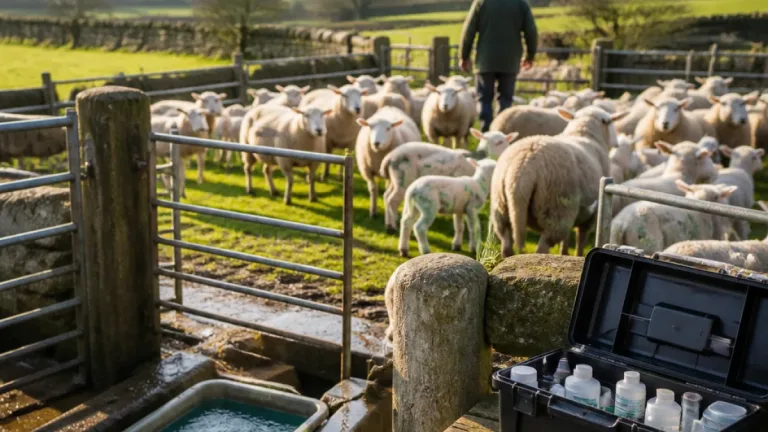
Safe sourcing of stock remains part of the advice. Keepers bringing replacement animals onto a holding are being asked to check their bluetongue status and establish whether they have been vaccinated. The Welsh Chief Veterinary Officer thanked farmers and vets who had reported disease and engaged with vaccination during the current season.
The warning follows a season in which BTV-3 has been confirmed on farms across Wales, while the wider Great Britain situation has also continued to affect livestock keepers. For sheep farms, the Welsh message is to address vaccination planning and stock movements before the next period of disease risk rather than leave arrangements until the last minute.