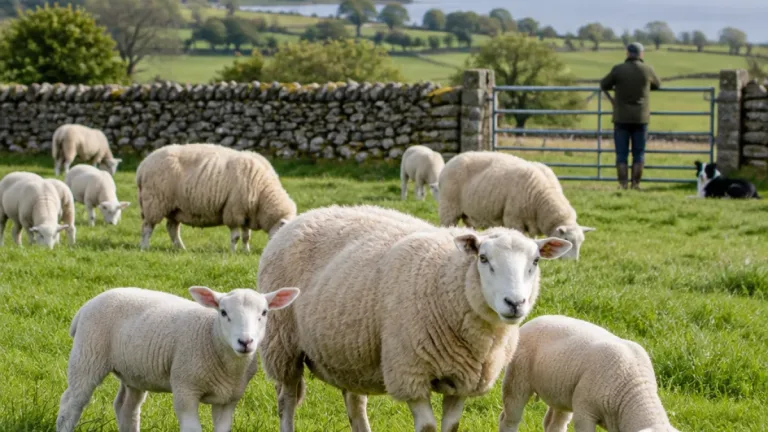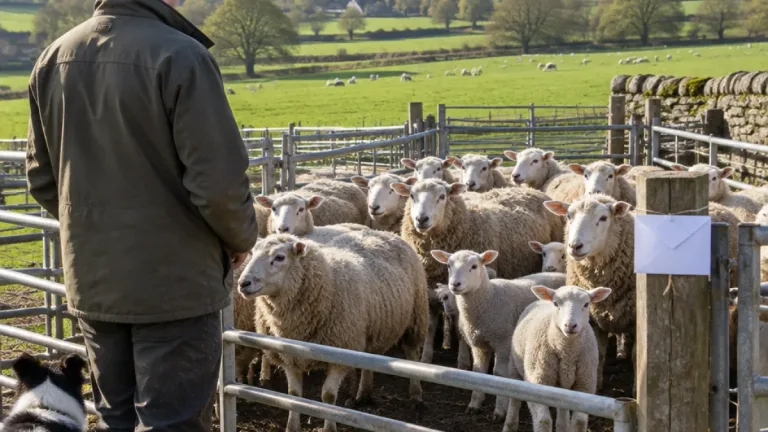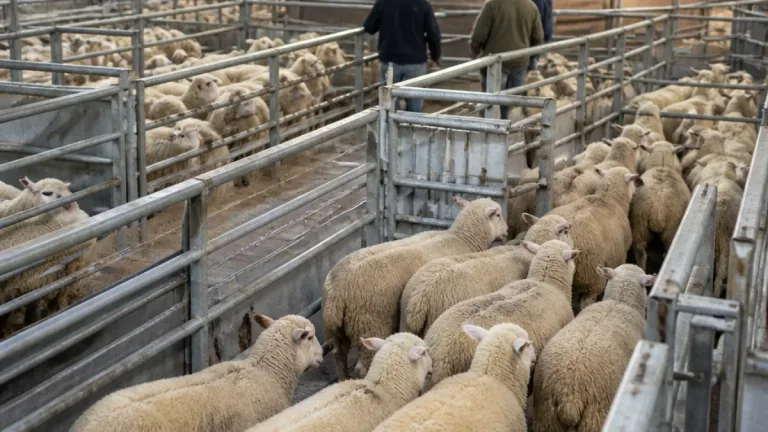
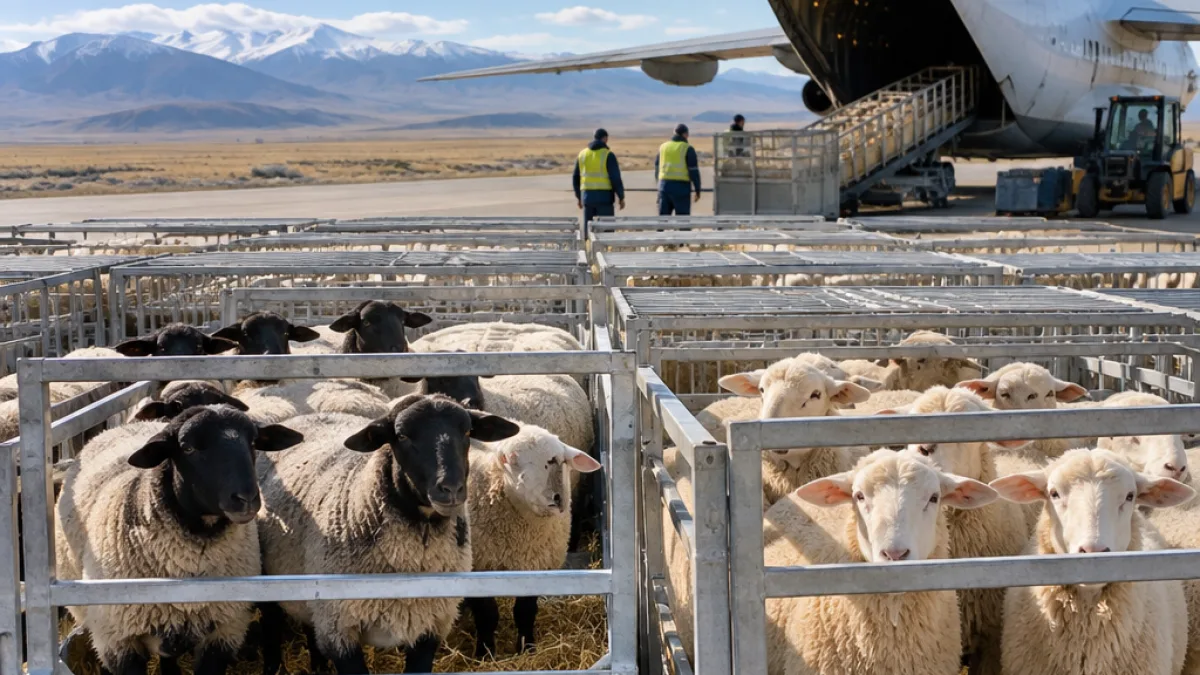
Kazakhstan has received 1,765 breeding sheep from Australia as part of projects to expand meat-sheep production and establish a domestic source of improved breeding stock.
The Dorper and Australian White animals arrived by air on 30 October for businesses in the Akmola and North Kazakhstan regions, according to Kazakhstan’s Ministry of Agriculture. The imported sheep are intended to support breeding operations within the country rather than supply a one-off production cycle.
Two projects receive imported stock
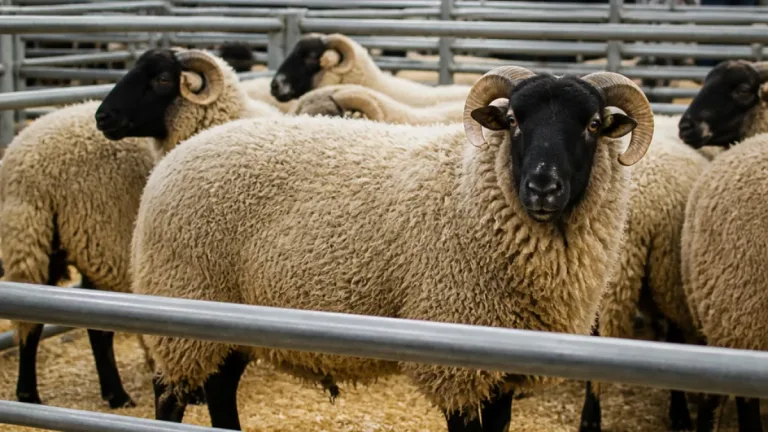
The larger consignment comprised 1,100 Dorper sheep, purchased by Ereimentau-Astyk-2014 LLP in the Akmola region. The business plans to acquire 4,000 sheep and goats in total under a project financed through the Bereke programme, which provides concessional loans for agricultural investment.
A second shipment was received by Eco Lamb LLP in the Gabit Musrepov district of North Kazakhstan. Its 665 animals included 497 Australian White sheep and 168 Dorper ewes. The company plans to establish a breeding farm for Australian White sheep, with the resulting stock intended for supply to other farms in Kazakhstan.
| Recipient | Animals received | Stated purpose |
|---|---|---|
| Ereimentau-Astyk-2014 LLP | 1,100 Dorper sheep | Meat-sheep project, with plans to build a flock of 4,000 sheep and goats |
| Eco Lamb LLP | 497 Australian White sheep and 168 Dorper ewes | Establish a breeding farm and supply stock to domestic farms |
Focus on reproduction and productivity
The ministry said the breeds had been selected for their genetic potential, early maturity and meat-production characteristics. It linked the imports with efforts to raise flock productivity and improve the commercial qualities of output from Kazakhstan’s meat-sheep sector.
The projects will use the Australian animals as the foundation for further breeding in Kazakhstan. Eco Lamb’s planned operation is expected to reproduce animals carrying the traits valued by the businesses and make breeding stock available to other domestic producers. That approach places the emphasis on creating a continuing national supply of genetics rather than relying solely on repeated imports.
Australia’s experience in commercial sheep production, selective breeding and lamb production was also cited in the development plans. For producers in the UK, the announcement provides an example of how imported breeding animals are being used internationally to establish national genetic resources and expand specialised meat-sheep systems. The particular breeds and performance criteria selected in Kazakhstan reflect the objectives stated for these projects and should not be taken as a comparison with UK breeding priorities.
Part of a wider livestock plan
The purchases form part of Kazakhstan’s Comprehensive Livestock Development Plan for 2026–2030. The plan includes increasing farm-animal production and developing breeding operations for valuable livestock breeds, with the two sheep projects contributing to its meat-sheep objectives.