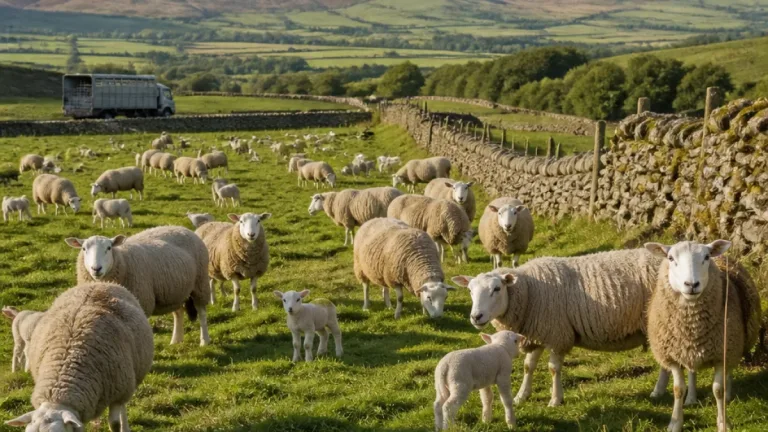
More than 500 farms in Wales have now had bluetongue confirmed, according to the latest Welsh Government announcement, prompting the country’s chief veterinary officer to call for preparations to begin before the disease returns next year.
The confirmed premises total is higher than the 493 recorded on 26 October. The figures refer to holdings where bluetongue has been confirmed, rather than giving the number of individual animals infected.
Early planning urged
Dr Richard Irvine said the continuing spread of bluetongue virus serotype 3 (BTV-3) showed why livestock keepers should speak to their own vets about vaccination plans. He warned that the pattern seen in south-west England during the summer could be repeated in Wales during the coming year.
“Vaccination is the only viable long-term measure to protect livestock against Bluetongue. Bluetongue will persist over the winter, so it is essential to be prepared for the recurrence of this disease next year.”
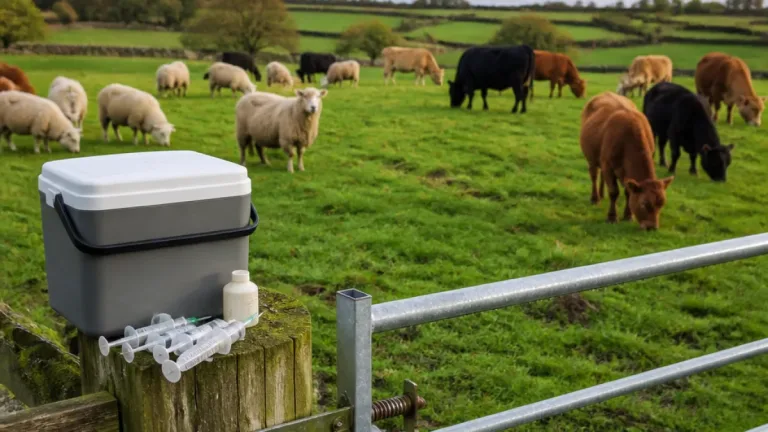
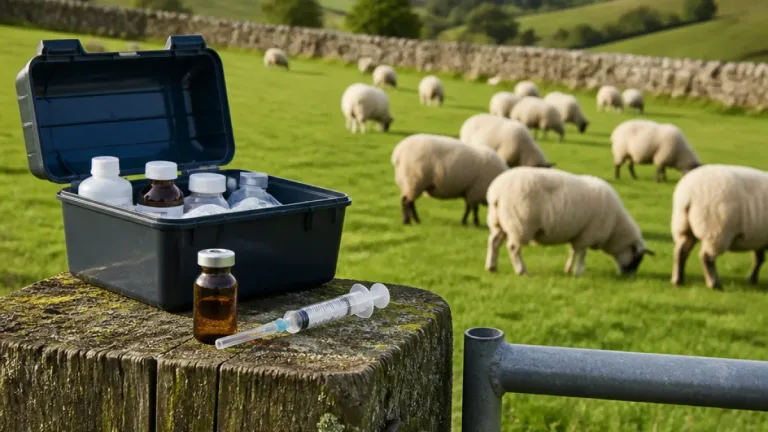
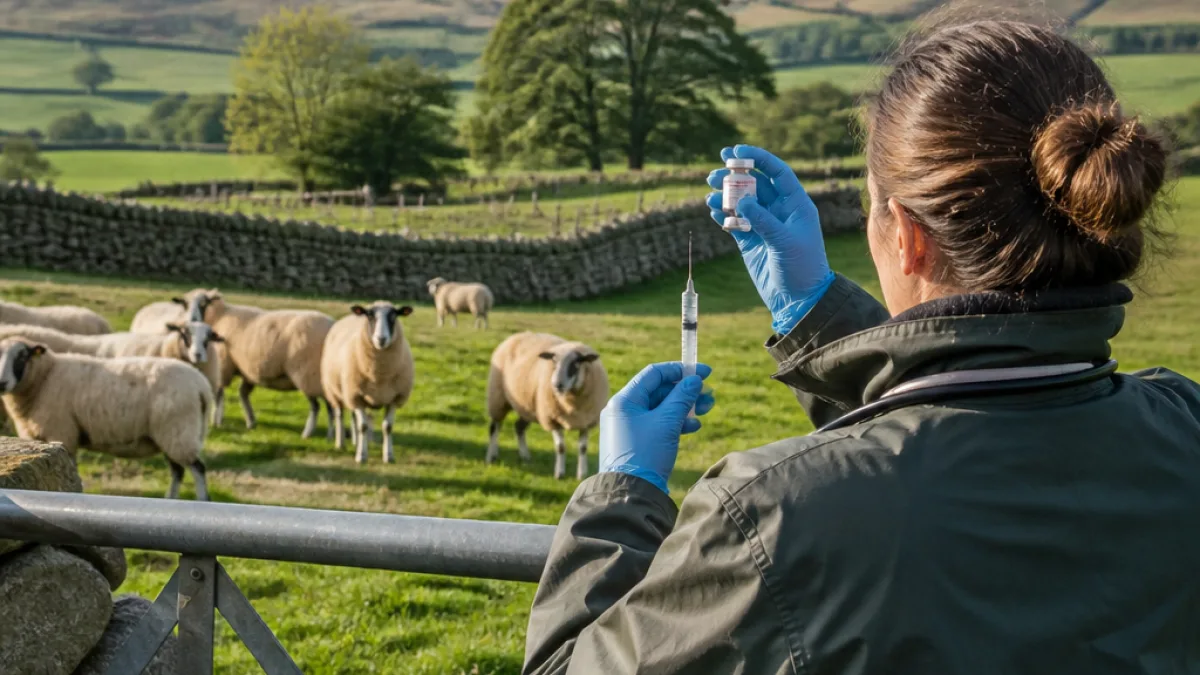
Dr Irvine said that placing vaccine orders early would give suppliers a clearer indication of likely demand and could reduce the risk of doses being unavailable when cases increase. He also urged keepers to discuss BTV-3 vaccine requirements with their vet in good time, rather than waiting for disease activity to rise.
Risk to sheep and other ruminants
Bluetongue is mainly transmitted by infected biting midges. The virus can affect a range of domestic and farmed ruminants, including sheep, cattle and goats, as well as deer, llamas and alpacas. The disease does not infect people and does not present a food-safety risk.
Reported signs vary between species. In sheep, they can include sores around the mouth and nose, swelling, fever and lameness. Cattle may show lethargy, nasal discharge and reduced milk production, while some infected adult cattle have few or no obvious signs. Bluetongue can also lead to abortion and death.
Replacement stock checks
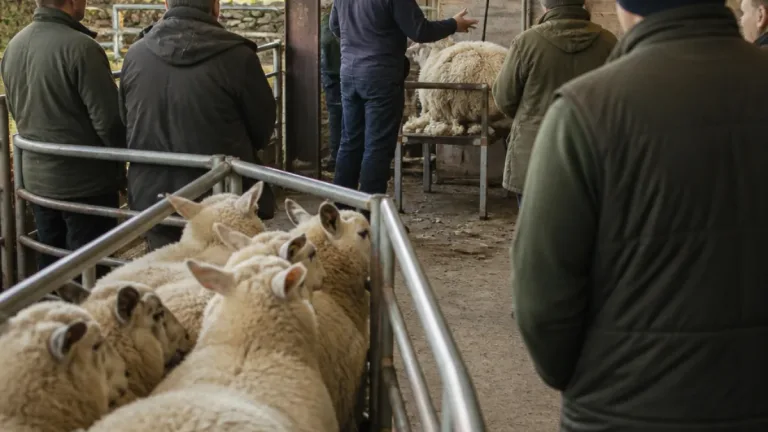
Welsh livestock keepers are also being encouraged to establish the health and vaccination status of replacement animals before moving them on to their holdings. Dr Irvine said that recognising possible signs and sourcing stock carefully remained practical measures available to keepers.
- More than 500 Welsh farms have had bluetongue confirmed.
- The affected-premises total is above the 493 recorded on 26 October.
- The Welsh chief veterinary officer is urging early discussions with vets about BTV-3 vaccination and replacement-animal checks.
Any vaccination decisions and movement or health concerns should be discussed with the keeper’s own veterinary adviser, in line with the latest guidance applying to the holding and the animals concerned.