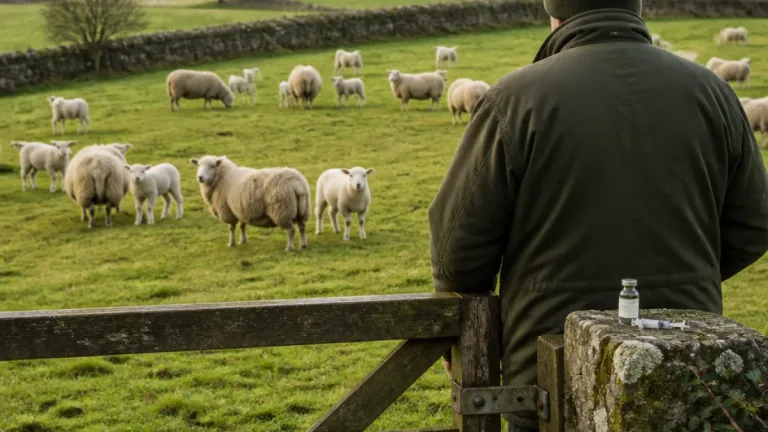
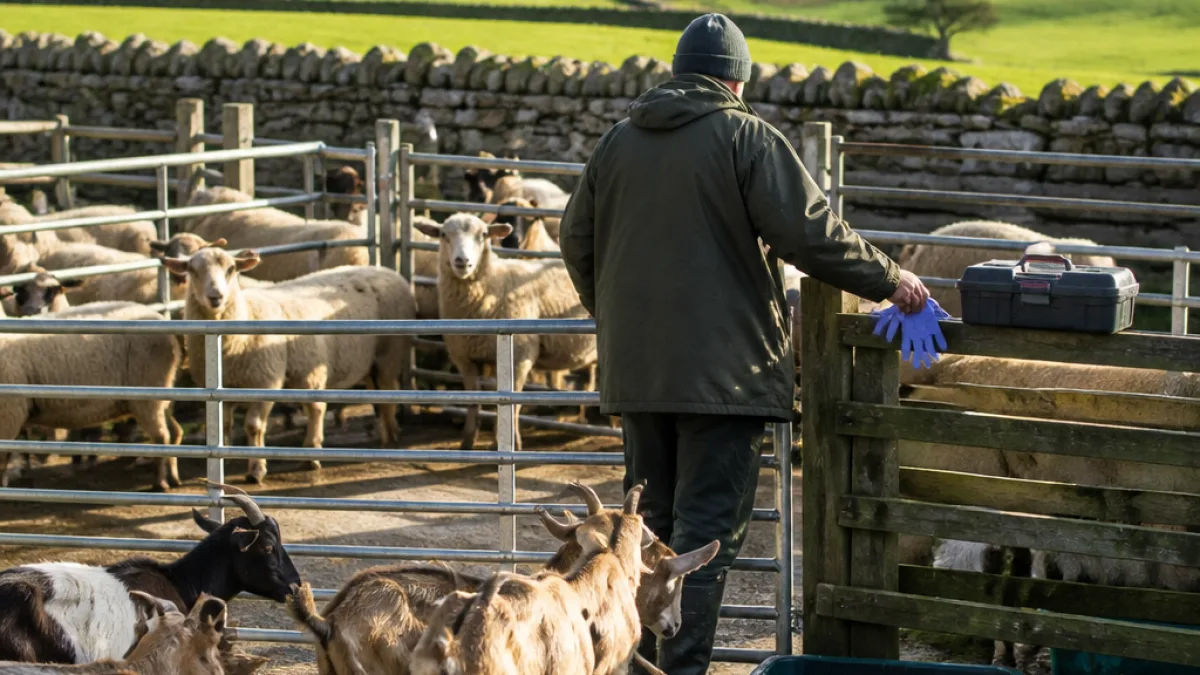
Knowledge of brucellosis did not consistently translate into protective behaviour among ruminant farmers surveyed in three provinces of lower Northeastern Thailand, according to a study of 385 livestock keepers. The research examined personal and farm-level prevention of the occupational zoonotic disease and found that only 20.0% of participants reported a comprehensive set of favourable practices.
The cross-sectional study was carried out between October 2024 and July 2025 in Nakhon Ratchasima, Buriram and Surin. Researchers assessed participants’ knowledge, attitudes and practices before using logistic regression to identify factors associated with better prevention. The design shows associations between the recorded characteristics and behaviour, rather than proving that any single factor caused the difference.
A clear gap between awareness and action
Overall, 65.5% of the farmers achieved a satisfactory knowledge score. However, the adoption of individual precautions was uneven. All participants said they avoided consuming raw milk and placental products, while fewer used protective equipment during activities considered to carry a higher risk of exposure.
- 38.7% reported using gloves during high-risk activities.
- 61.6% reported wearing boots.
- 20.0% followed comprehensive favourable preventive practices.
The pattern led the researchers to distinguish between knowing about brucellosis and applying a broad range of measures consistently. The study describes brucellosis as an occupational disease affecting the livestock-human interface, making prevention relevant to both animal health and the safety of people working with ruminants.
“Knowledge alone was insufficient to produce consistent preventive behavior.”
Certification linked with better practice
The analysis found that structural and informational factors were more closely associated with favourable practice than knowledge scores alone. Farmers whose holdings had certification, including Good Farm Management status, had higher odds of reporting better prevention. The adjusted odds ratio was 2.60, with a 95% confidence interval of 1.06–6.39.
Brucellosis-free certification showed a stronger association, with an adjusted odds ratio of 5.35 and a 95% confidence interval of 1.63–17.54. Simply having heard the scientific term “brucellosis” was also associated with favourable practices, although the confidence interval was wide: the adjusted odds ratio was 2.74, with a 95% confidence interval of 1.00–7.46.
| Measure | Finding |
|---|---|
| Farmers surveyed | 385 ruminant farmers |
| Satisfactory knowledge | 65.5% |
| Comprehensive favourable practice | 20.0% |
| Glove use during high-risk activities | 38.7% |
| Boot use | 61.6% |
Implications for disease prevention
Perceived susceptibility to infection and targeted education about transmission routes also emerged as drivers of prevention. The authors therefore argue for measures that combine practical training with formal disease alerts and support built into farm certification programmes, rather than relying on general awareness campaigns alone.
The findings should be interpreted within the study’s limits. The participants came from three provinces in lower Northeastern Thailand, and the survey recorded reported behaviour at one period rather than following farms over time. The extracted findings do not provide a species-by-species breakdown of the ruminant holdings, so they cannot be used to quantify the position of sheep or goat farms separately.
For the wider livestock sector, the study’s central result is the difference between recognition of a disease risk and consistent use of preventive measures. Its conclusions place farm assurance, disease communication and training alongside individual knowledge as components of occupational brucellosis control.