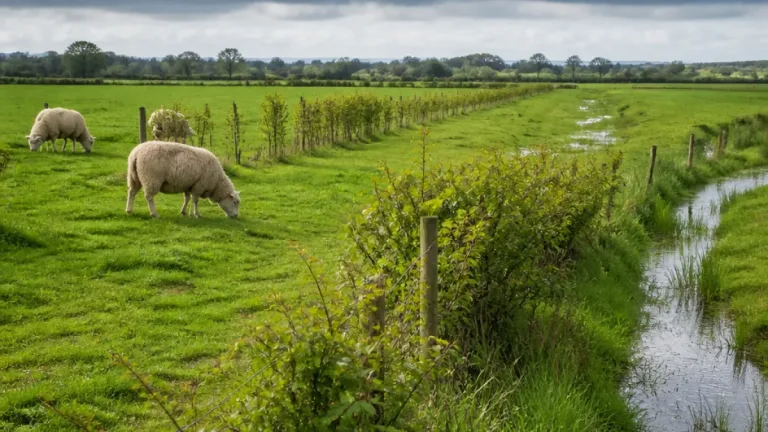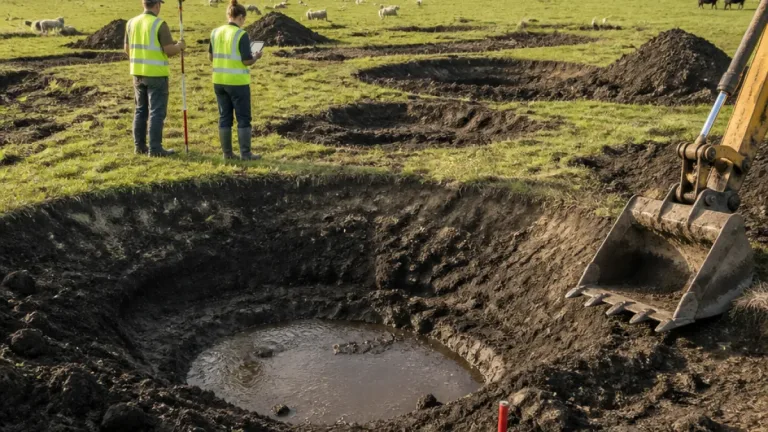

Canadian farmers have shown strong demand for public funding aimed at changing on-farm practices and reducing emissions, with delivery organisations reporting that applications exceeded the money available under two federal programmes.
The On Farm Climate Action Fund (OFCAF) and Agricultural Clean Technology (ACT) programme together made about $1.2 billion available between 2021 and 2028. The schemes were introduced as part of the federal government’s 2030 Emissions Reduction Plan.
Funding covered management and technology
OFCAF supported best management practices including nitrogen management, cover cropping and rotational grazing. The programme was delivered through third-party organisations, several of which received more applications than they could fund.
The Manitoba Association of Watersheds (MAW) was among the organisations involved. Its executive director, Lynda Nicol, said the programme combined practical education with environmental and economic objectives. She also said farmers had looked for further financial support after engaging with the measures covered by OFCAF.
“It’s been a real success story as far as the education and the adaptation of the specific BMPs that are covered through OFCAF, but also an exploration in how to further those efforts through other programs,” said Lynda Nicol, executive director of the Manitoba Association of Watersheds.
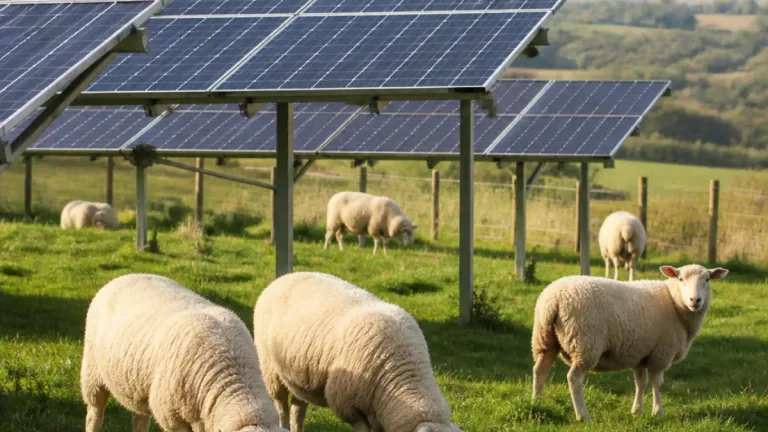
ACT has provided financial support for lower-emission technologies. More than 535 producers had received money through the programme for equipment and energy systems including natural-gas grain dryers, biomass boilers and solar panels.
| Programme | Reported focus | Funding period |
|---|---|---|
| On Farm Climate Action Fund | Nitrogen management, cover cropping and rotational grazing | 2021-28 |
| Agricultural Clean Technology | Technology such as grain dryers, biomass boilers and solar panels | 2021-28 |
Questions remain over outcomes
Producer.com reported that the popularity of the programmes indicates government funding encouraged farmers to adopt new practices intended to address climate change. However, it also reported that there is not yet enough information to establish whether the programmes achieved their intended results.
The future of the funding was uncertain ahead of the federal budget. The article said it was not known whether the budget would extend either programme. It also noted that public discussion of climate change and emissions reduction had become less prominent at federal level, although the incentive schemes could leave a continuing legacy on farms.
- OFCAF supported nitrogen management, cover cropping and rotational grazing.
- ACT had paid more than 535 producers for greener technologies.
- The two programmes made about $1.2 billion available from 2021 to 2028, but future extensions were not confirmed.