Liver fluke is being detected later in the season and in parts of the UK where it has not traditionally been a major concern, as wet and warm autumn conditions followed this summer’s drought.
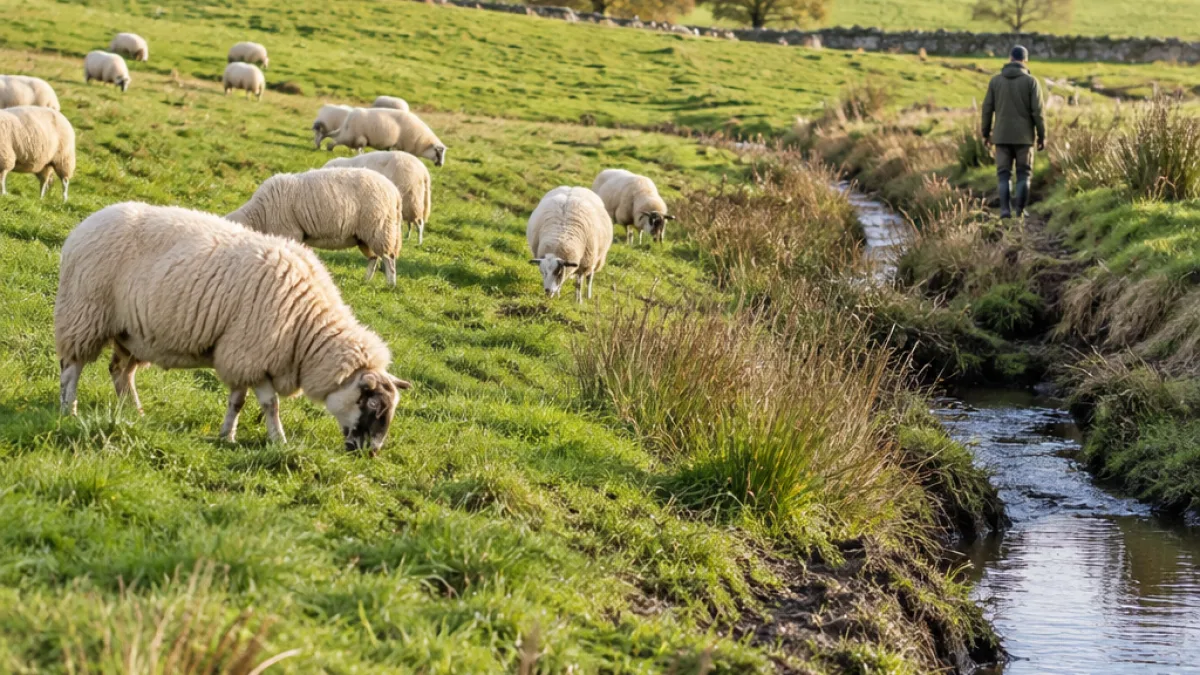
The warning, issued on 2 November, says farmers are being encouraged to test for the parasite. Mud snails, which carry liver fluke, can survive dry conditions before favourable weather allows them to become active again. Damp ground, ditches, boggy areas, pond margins and slow-moving streams can then provide conditions in which sheep are more likely to encounter contaminated pasture.
Surveillance points to a wider pattern
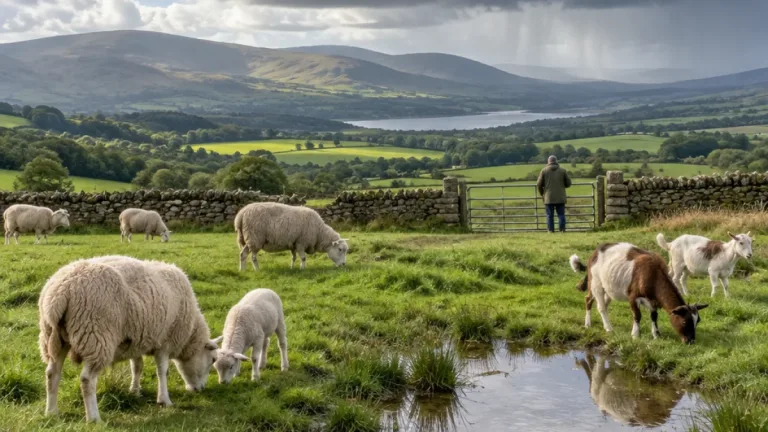
Liver fluke has historically been associated most strongly with wetter parts of the country, including Wales, Scotland, western England and Northern Ireland. However, slaughterhouse condemnations and laboratory surveillance are now indicating that the parasite is also being found in areas that were previously considered less affected.
Ally Ward, veterinary surgeon at Zoetis UK, said the changing pattern involved both location and timing. The parasite would normally present a particular risk during wet and warm conditions above 10°C in mid-autumn, around October, but flocks were being affected later than usual this year, according to her comments.
“Climate change is altering the geographical range and seasonality of liver fluke. While it normally affects sheep during wet and warm conditions over 10 °C in mid-Autumn around October, it is affecting flocks later than usual this year.”
The conditions identified in the warning include:
- wet and warm weather following a period of drought;
- muddy or waterlogged ground where mud snails can thrive;
- ditches, boggy areas, pond edges and slow-moving streams; and
- pasture contamination in locations outside the parasite’s traditional range.
Testing remains part of flock monitoring
Peter Baber, a sheep farmer from Devon, runs a 400-acre, 900-ewe enterprise across two holdings on the edge of Dartmoor National Park. He said liver fluke had been an intermittent problem, with some years showing no cases while particular groups of sheep had been diagnosed in others.
One of Mr Baber’s holdings is river floodplain and prone to flooding. He said he uses testing to help identify the problem and responds when alerts are issued by Sustainable Control of Parasites in Sheep (SCOPS). His comments also highlighted that liver fluke requires separate consideration from worms, even where a flock already has an established parasite-monitoring approach.
“Liver fluke is certainly on my radar and while I have a good understanding of parasitology and how to confidently control worms, liver fluke is a different story.”
The warning says fatalities linked to liver fluke are normally low, but infection can still create health and welfare problems in affected sheep. Farmers concerned about signs in their animals or the relevance of local conditions should discuss testing and any treatment decisions with their own vet or adviser.