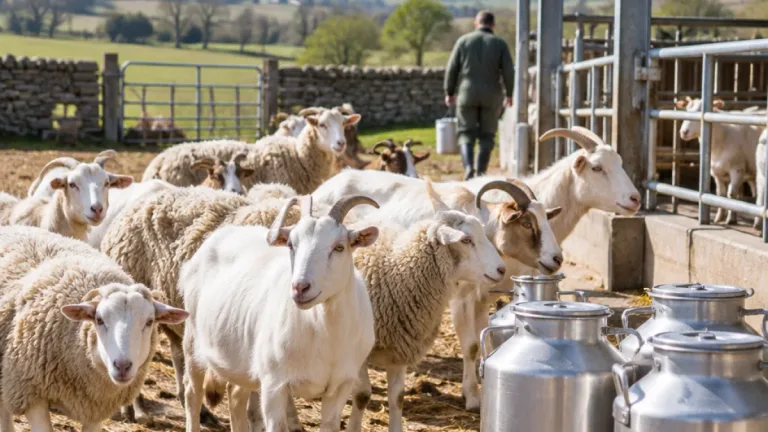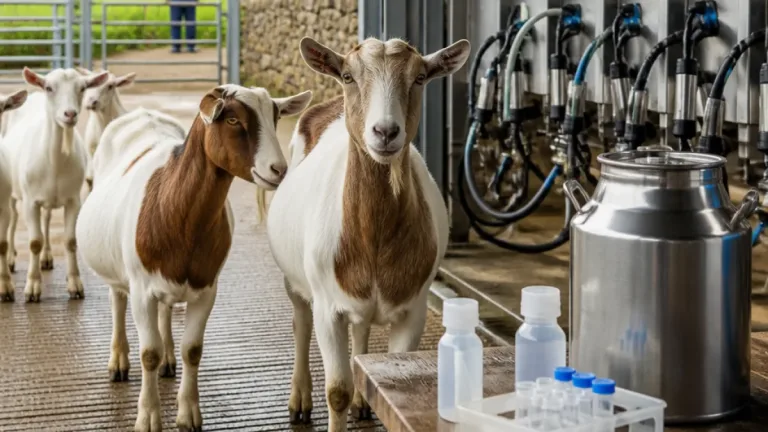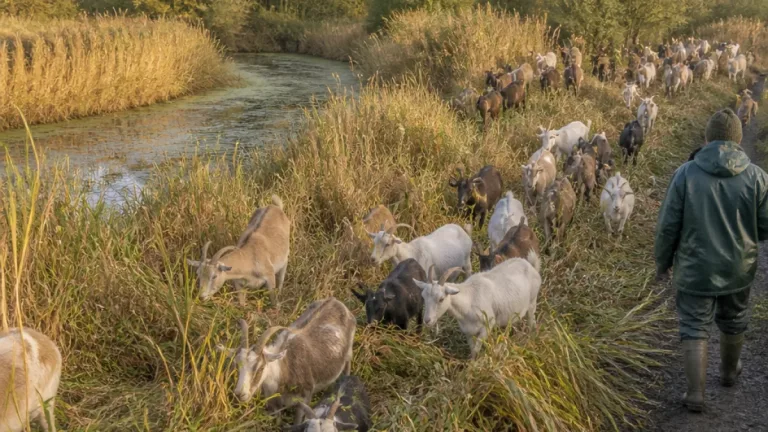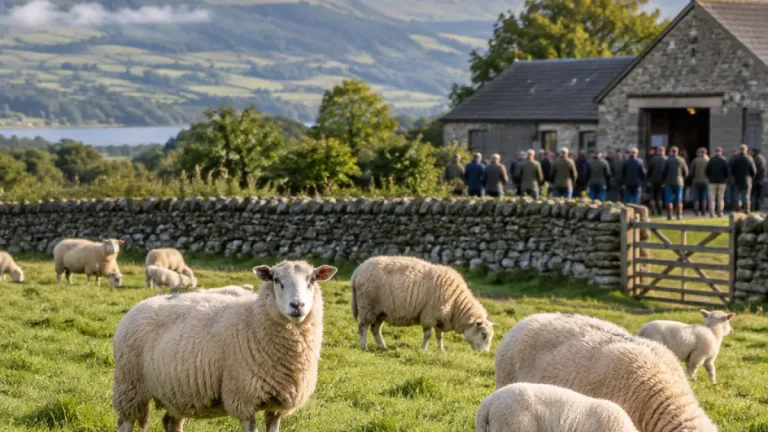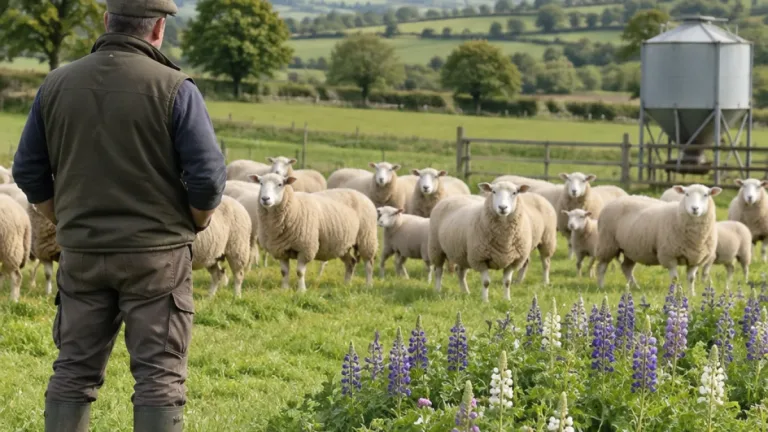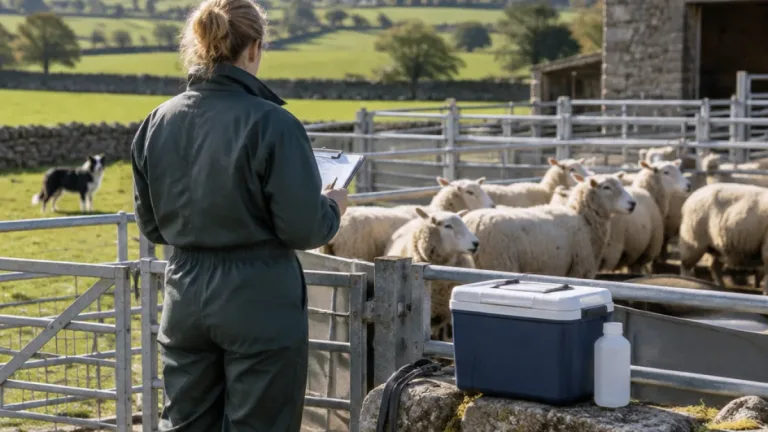
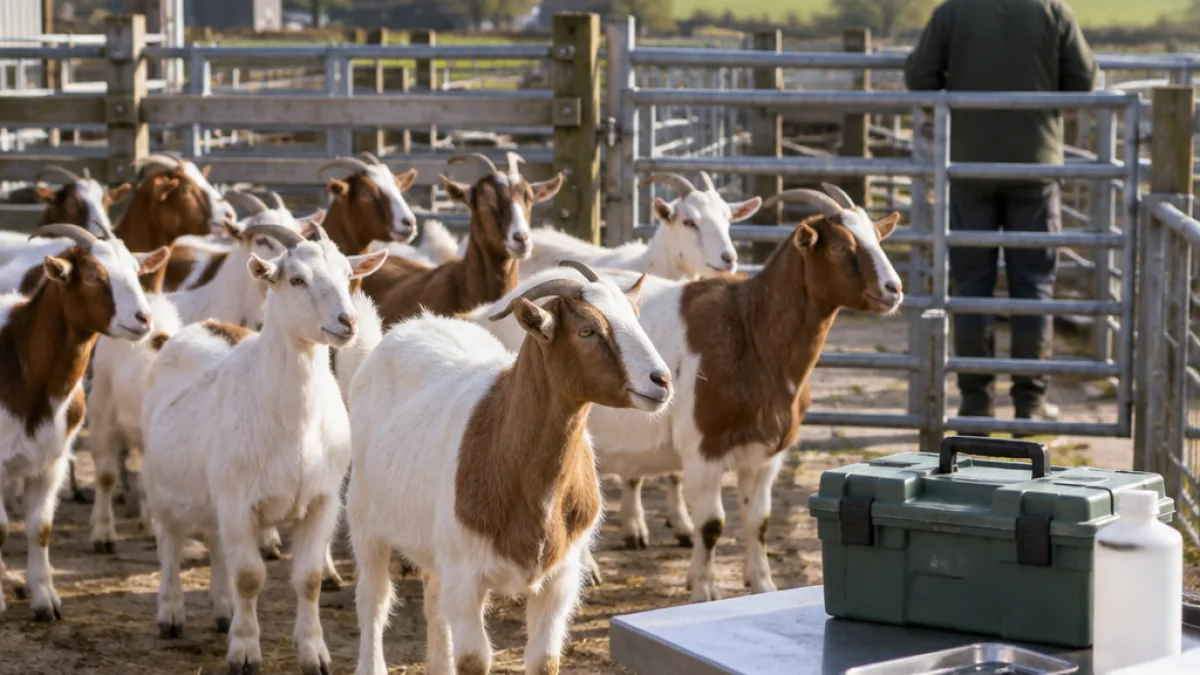
The Bombay High Court has ordered interim protection for 414 goats held at an Indian lifesciences farm, preventing their sale, transfer or slaughter while a dispute between two companies is dealt with through arbitration.
The goats are maintained for the production of Anti-Human IgG (Fc) Serum (Goat). The court also directed that existing veterinary and immunisation procedures should continue and that a livestock supervisor from Advy Biosciences must be allowed access to the farm.
Dispute follows termination notice
The proceedings were brought by Advy Biosciences under Section 9 of India’s Arbitration and Conciliation Act, 1996. The company applied for protection after Swaraj Lifesciences issued a termination notice dated 24 August 2026.
The businesses had signed a supply agreement on 1 April 2025. Under its terms, Swaraj was required to keep at least 400 productive goats for the manufacture of the serum. Advy said it had supplied the immunogens, immunisation schedules, standard operating procedures and technical protocols used with the herd.
Advy told the court that the goats had been immunised using those materials and that plasma collected from them was linked to the serum-manufacturing process. It also alleged that its supervisor had been required to leave Swaraj’s farm on 4 September 2026, after which the company no longer had access to the animals, their records or the plasma-collection process.
Both companies dispute their obligations
Swaraj disputed Advy’s position, arguing that the goats belonged to Swaraj because the company had bought, reared and maintained them at its own expense. It accused Advy of delaying payments and failing to meet a minimum order commitment, and claimed losses of approximately Rs 1.88 crore.
The case therefore extends beyond unpaid invoices. The court identified questions concerning the termination of the agreement, responsibility for the herd, the supply and use of plasma, confidential technical information and the costs associated with keeping the goats.
- 414 goats are covered by the interim protection.
- At least 400 productive goats were required under the 2025 agreement.
- Existing veterinary and immunisation procedures are to continue.
- Advy’s livestock supervisor is to retain access to the farm.
The court considered that changing the immunisation or veterinary arrangements could affect the goats’ health and productivity. It concluded that temporary measures were necessary to preserve the subject of the dispute until the companies’ wider claims can be determined in arbitration.
Order preserves the herd during arbitration
The ruling does not determine which company ultimately owns the goats or decide the competing claims over payments, orders, plasma or technical information. Instead, it keeps the herd and the established management procedures in place while those contractual issues are examined.
The order also gives continued access to the animals and their management records a central role in the dispute. Advy had raised concerns about the loss of access to information and about the possible use or disclosure of confidential material, while Swaraj maintained that it had incurred the costs of keeping the herd and had suffered financial losses.