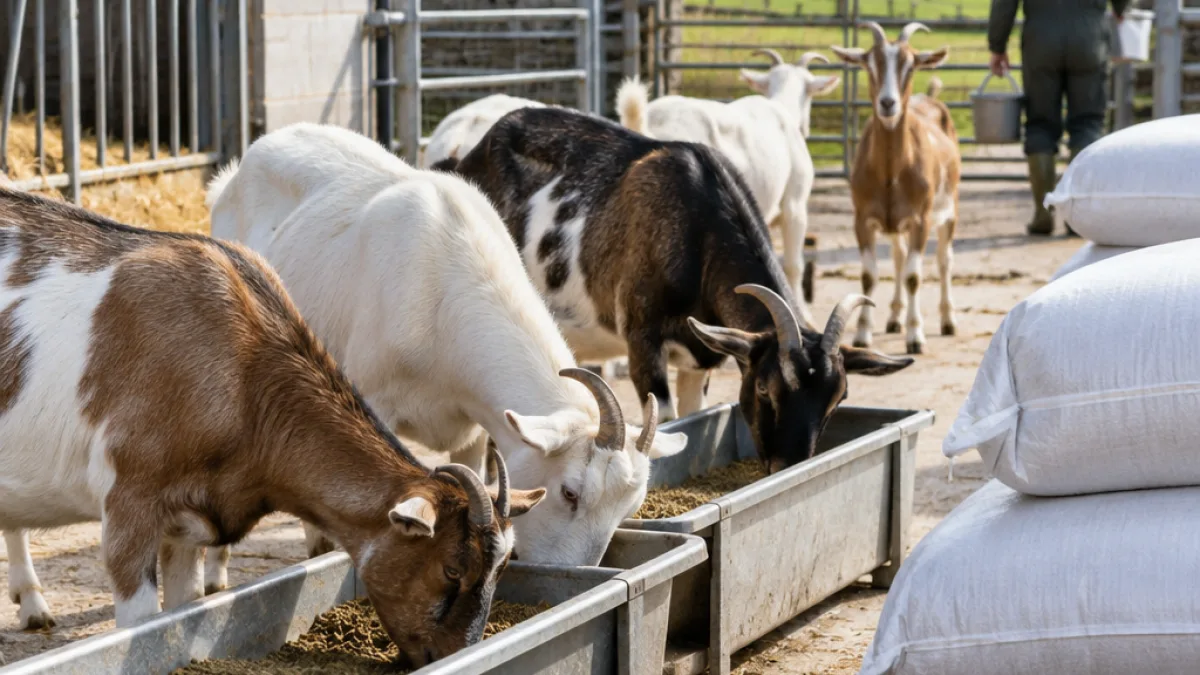
Global demand for feed used by cattle, goats and sheep is expected to expand steadily through 2035, according to a new analysis by IndexBox. The report links the projected growth to livestock producers increasing output to meet rising demand for animal protein.
The study covers the market from 2026 to 2035 and examines both large integrated livestock businesses and fragmented smallholder systems. It treats the market as a broad group of formulated nutritional products intended to support maintenance, growth, reproduction and production in ruminant livestock.
Efficiency and precision move up the agenda
IndexBox identifies feed conversion efficiency and more precise nutrient supply as important factors shaping purchasing decisions. The report places those priorities against a background of volatile input costs and tighter sustainability requirements, which are increasing the focus on how efficiently feed is converted into livestock production.
Its assessment considers more than finished feed sales. The analysis follows the chain from feedstock sourcing and processing through to blending, end-use applications and regulatory requirements. It also compares the capability of different countries and regions, reflecting the varied structure of livestock production around the world.
- The review includes historical market information from 2012 to 2025.
- Forward-looking scenarios run from 2026 to 2035.
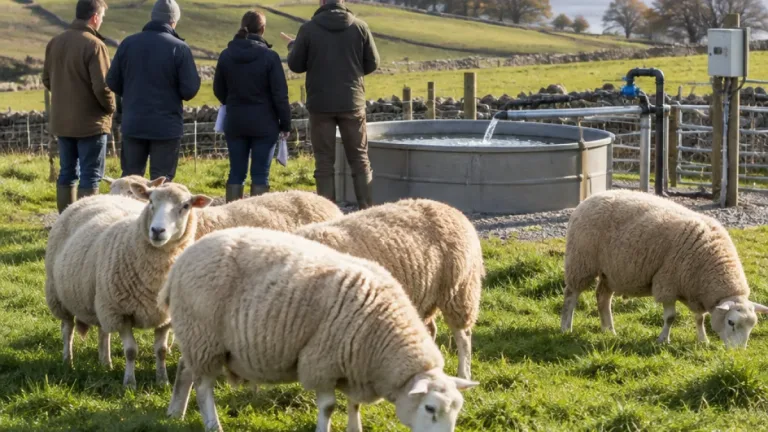
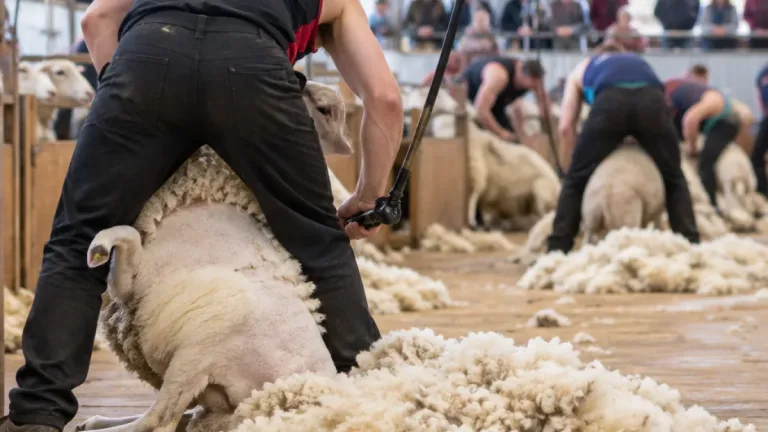
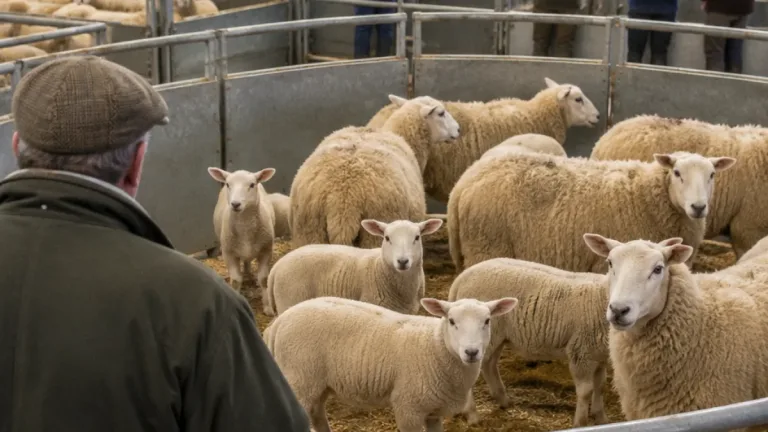
- Demand is assessed across cattle, goat and sheep production systems.
- Feed safety, antibiotic reduction and traceability are identified as regulatory pressures.
Supply chains and compliance
The competitive landscape is described as increasingly concentrated among businesses with control over ingredient sourcing and premix manufacture. Alongside those vertically integrated suppliers, regional specialists and generic blenders are competing through pricing and distribution reach.
According to the analysis, regulatory requirements are adding to compliance costs. Feed safety, lower reliance on antibiotics and improved traceability are identified as areas favouring companies with established quality-management systems. The report also considers procurement behaviour and the way supply networks are becoming more diversified by region.
IndexBox’s baseline assessment is for continued market expansion over the period to 2035. It attributes that outlook to the intensification of livestock production and the wider adoption of precision nutrition, while also pointing to rising protein consumption in emerging economies and the scaling of commercial dairy and beef operations. The published extract does not provide a separate UK market forecast or individual feed-price figures.