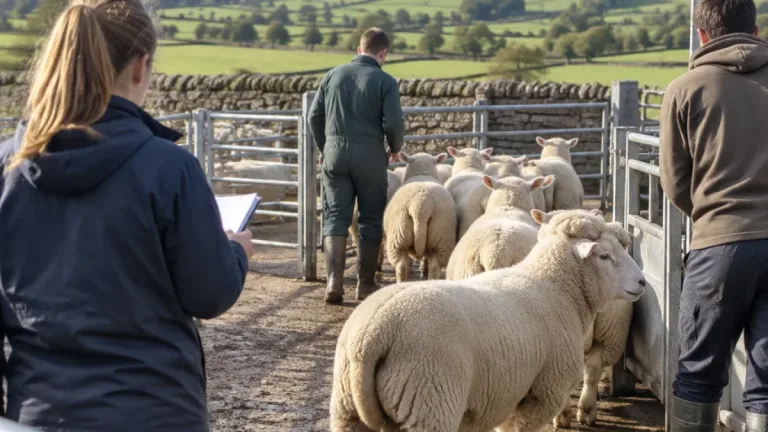
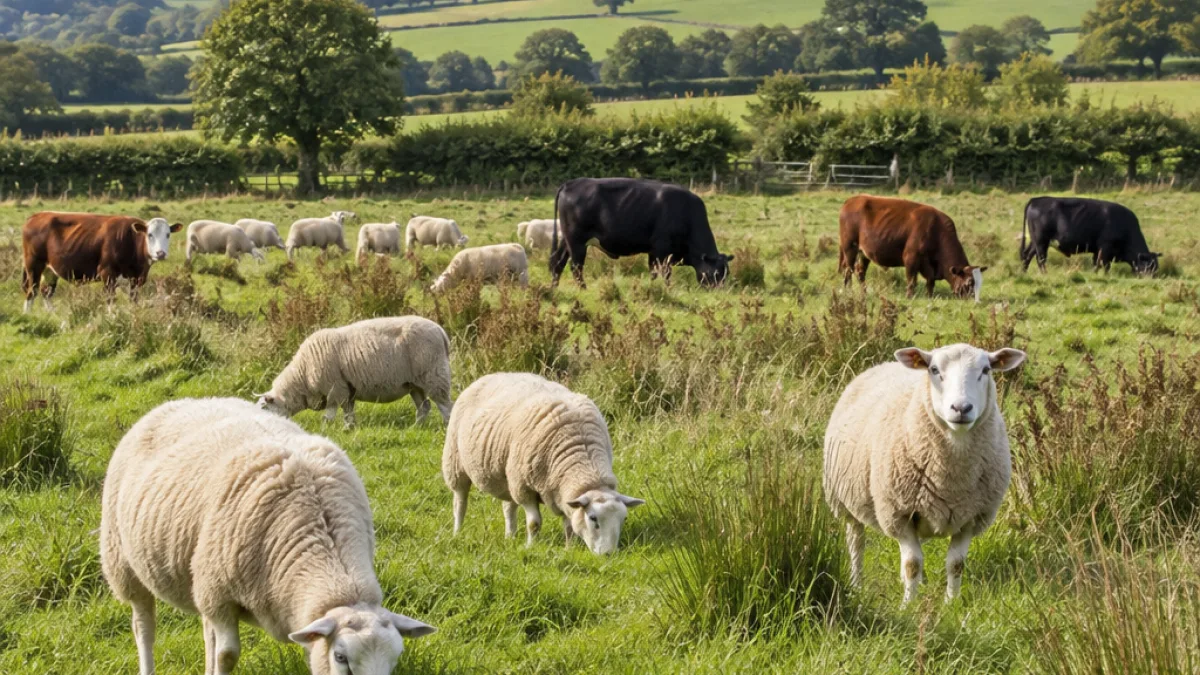
Sheep can provide an additional income stream on cattle holdings by using parts of the pasture that cattle leave behind, according to a report from Farm Progress examining mixed grazing in western South Dakota.
Robert Boylan, who runs cattle and sheep on a ranch north of Newell in Butte County, said the two species made different use of the range. His flock was not simply an addition to the existing enterprise: it allowed the ranch to make use of forage that cattle were less likely to harvest.
“I run the sheep to make the payments.”
Boylan also said sheep were more productive on the land available to him because they could use a wider range of plants. The approach, however, depends on the pasture's composition and cannot be applied in the same way on every holding.
Forage use is central to the decision
Dave Ollila, a long-standing South Dakota sheep producer and former South Dakota State University Extension sheep field specialist, said producers first needed to understand what was growing on their own ranch. He described cattle-and-sheep grazing as a long-established practice in the western part of the state, where an old rule of thumb was to run one ewe and her lambs behind one cow and her calf.
The rationale is that the animals do not necessarily compete for precisely the same plants. Farm Progress reported Ollila's description of a typical western South Dakota plant community as being about 80% grasses and 20% forbs and shrubs. Cattle mainly use the grasses, while sheep make greater use of forbs, shrubs, sedges and shorter plants.
“Adding a ewe behind a cow could therefore add production while directing much of the additional grazing pressure toward plants that the cow wasn't using.”
That distinction is important because adding sheep does not mean the land is providing forage without limit. The potential value comes from using a different part of the available vegetation, rather than simply increasing pressure on the same plants.
Not every pasture offers the same opportunity
Ollila warned that the system worked less well where grass dominated the pasture. In country made up of 90% to 100% grass, sheep and cattle would be competing more directly for forage, reducing the benefit of adding another species.
Farmers considering a mixed enterprise would therefore need to assess the vegetation already present and how each class of livestock uses it. The report presents the practice as a way of matching grazing animals to the available pasture, rather than as a universal stocking formula.
- Sheep may harvest forbs, shrubs, sedges and short-stature plants that cattle use less heavily.
- The opportunity depends on the plant community and the amount of forage already being used.
- Grass-dominated pasture can create more direct competition between sheep and cattle.
For sheep producers, the South Dakota example underlines the importance of understanding the whole grazing resource when assessing flock numbers and enterprise returns. It also shows why the value of mixed grazing rests on the specific vegetation and conditions of each holding.