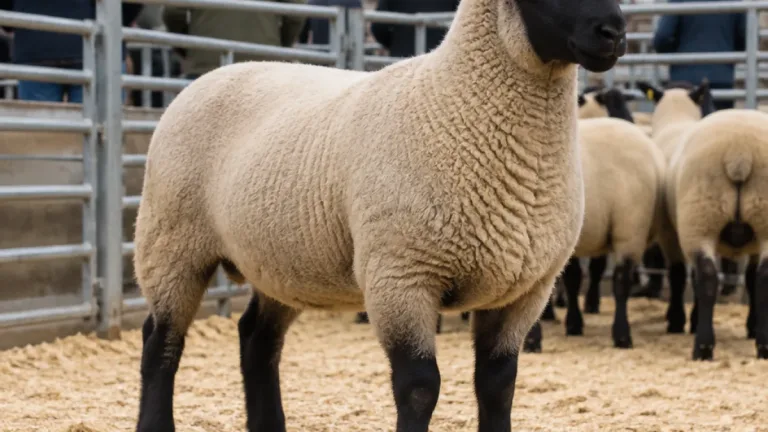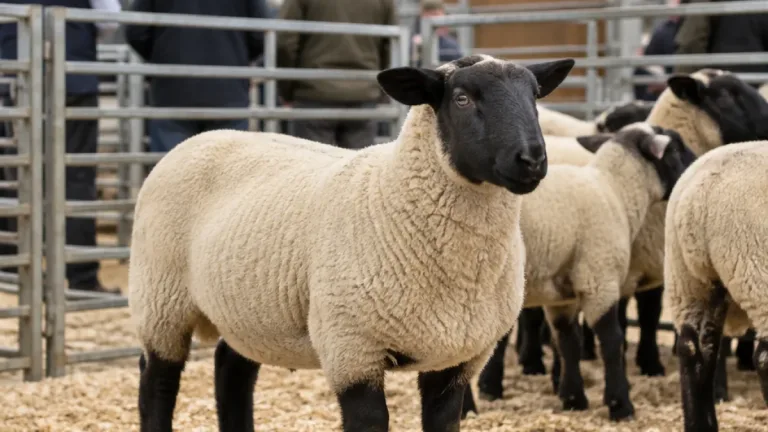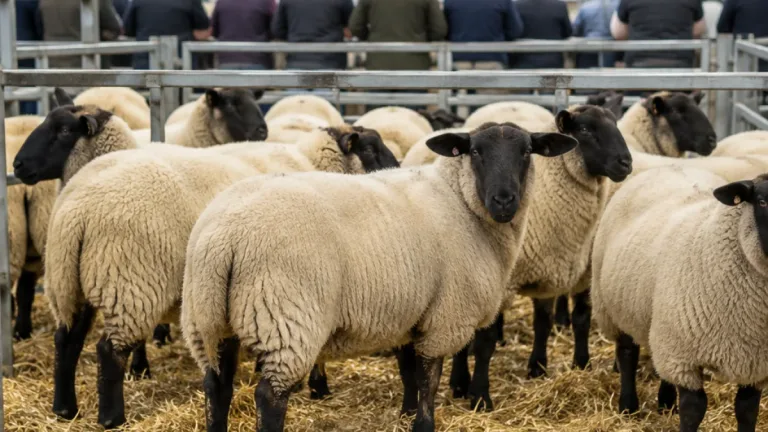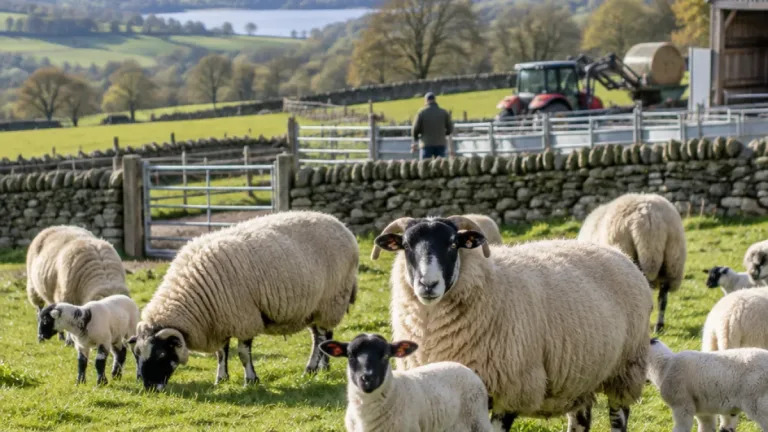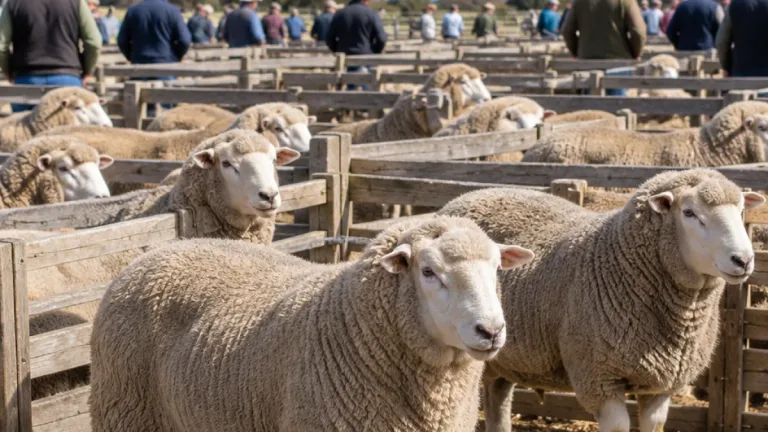
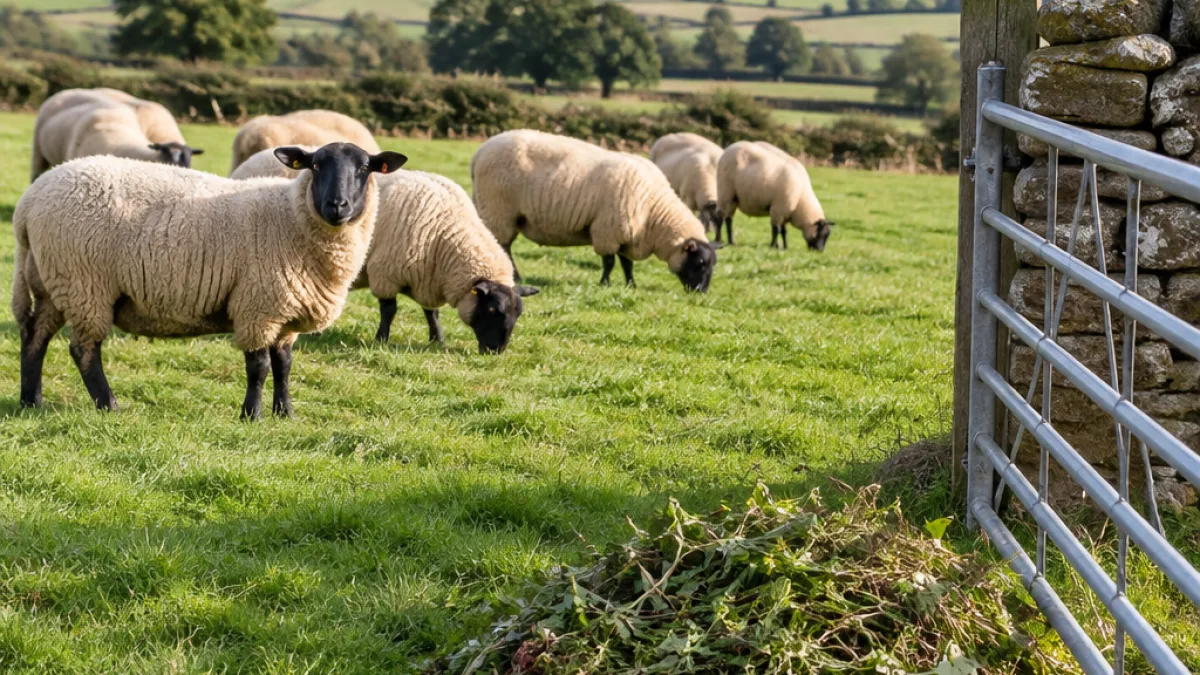
Two Suffolk ewes became seriously ill after eating Japanese spindle clippings that had reportedly been left in a field, according to a case recorded by Sligo Regional Veterinary Laboratory (RVL).
The ewes were found recumbent and semi-conscious before being submitted to the laboratory. Both were subsequently euthanised. A further sheep had died on the previous day, while ornamental shrub cuttings were said to have been deposited in the field several days before the animals became ill.
Leaves identified in rumen contents
Post-mortem examinations did not reveal significant gross abnormalities. However, laboratory staff found a number of unusual small leaves with a distinctive scalloped edge in the rumen contents of both ewes.
The leaves were identified by the National Botanic Gardens’ plant identification service as Japanese spindle, Euonymus japonicus. Ingestion of the plant was assessed by the RVL as the likely explanation for the animals’ illness.
- Two Suffolk ewes were found recumbent and semi-conscious.
- Both animals were subsequently euthanised.
- Japanese spindle leaves were identified in the rumen contents of both ewes.
- Another sheep had died the day before the ewes were submitted.
Warning over waste placed near livestock
The August report from the Sligo RVL used the case to highlight the risk of leaving garden material in areas accessible to grazing livestock. Although the incident involved an ornamental shrub, the laboratory also warned that garden waste can create other problems even when it does not contain a recognised poisonous plant.
Fresh lawn clippings were also identified as a potential hazard. The report noted that they can contribute to ruminal acidosis and may carry infectious material. Lawn cuttings can be contaminated with Neospora caninum, a parasite associated with dog faeces, or with Toxoplasma gondii oocysts, which are transmitted from cats.
The Sligo report specifically linked those organisms with reproductive losses in cattle. For sheep farmers, the case underlines the importance of keeping livestock away from garden and household green waste unless its contents and handling have been assessed appropriately.
Where animals show signs of illness after possible access to plant material or waste, farmers should contact their own vet promptly. Veterinary investigation may be needed to establish the cause, particularly where more than one animal is affected or deaths occur.