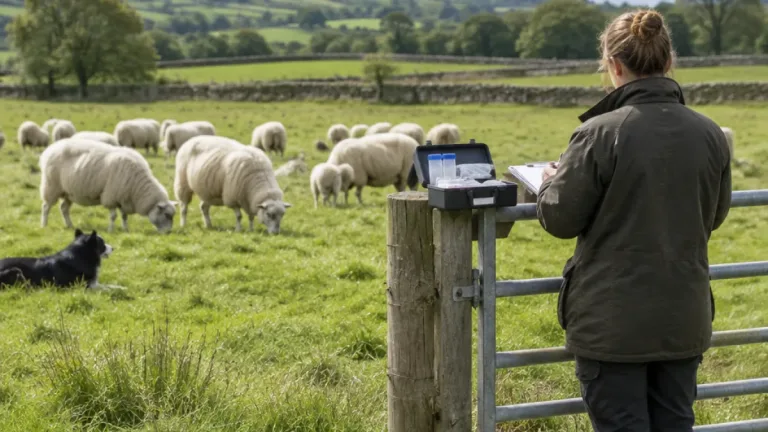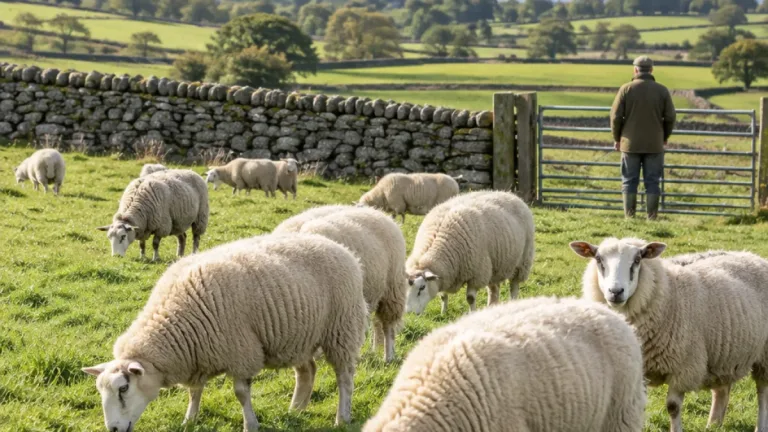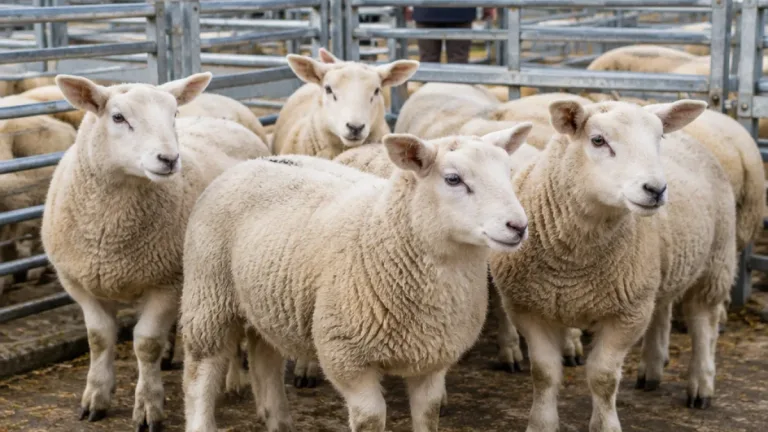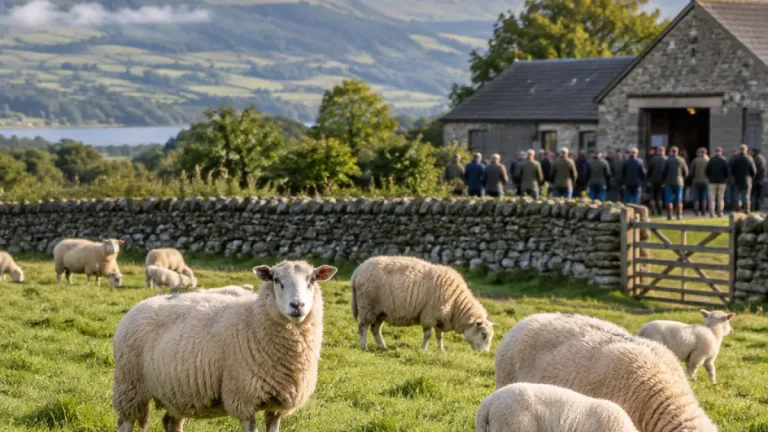
Economic pressure, flock structure and farm facilities are influencing how UK sheep producers respond to recurring lameness, according to a qualitative study published in the journal Animal Welfare.
The investigation examined decision-making by sheep farmers and practising veterinarians around the national five-point plan, which was introduced in 2014 following recommendations from the Farm Animal Welfare Council. The framework is intended to reduce endemic infectious lameness, but the research found that its recommendations are not applied consistently in farm conditions.
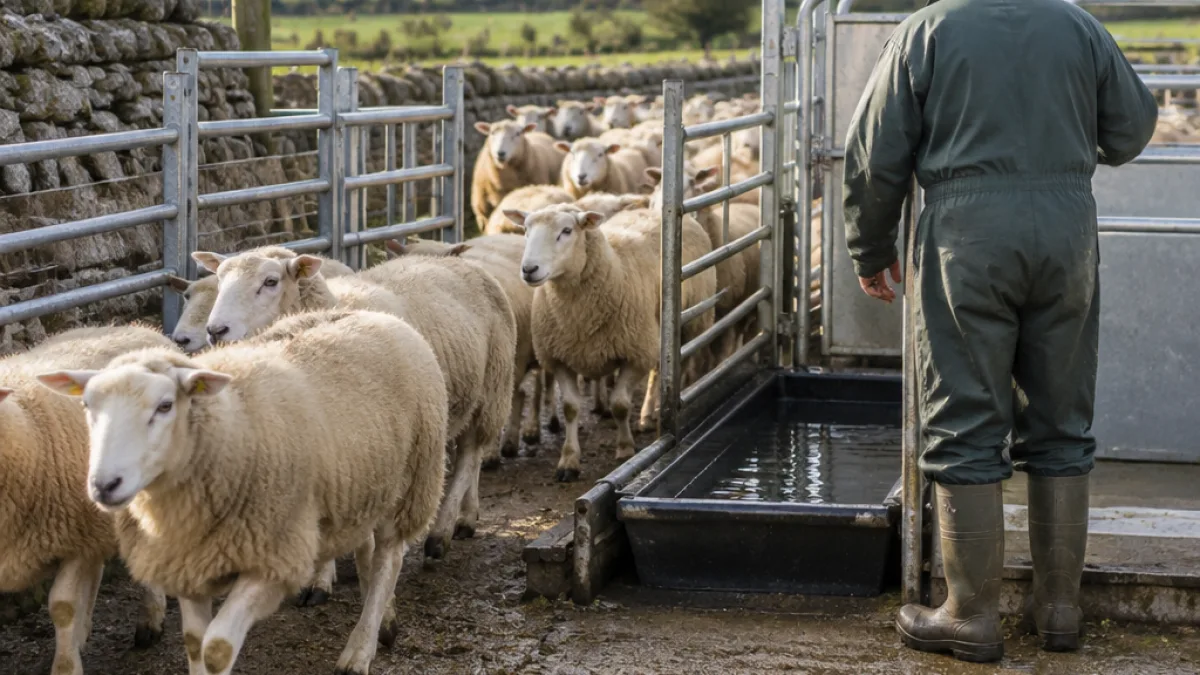
Producers were found to use both culling and prompt treatment when managing lame sheep. However, the study also identified cases where farmers accepted repeated episodes of lameness before removing affected animals. Decisions were shaped by the cost of treatment, the value of the sheep, the labour involved and the practical limitations of handling facilities, alongside the way individual flocks were bred and managed.
The cost of lameness
Lameness remains a widespread health and welfare challenge across Britain. The study cited economic estimates putting the combined cost of treatment and lost productivity to the agricultural sector at between twenty-four million and eighty million pounds a year.
Those costs include the direct work involved in identifying and treating affected sheep, as well as the production lost when animals are unable to move normally or do not perform as expected. The research noted that recommended management approaches can reduce flock lameness rates to as low as two percent, although uptake in the field remains uneven.
What the five-point plan covers
The national framework brings together five measures intended to suppress infectious lameness:
- removing sheep that are chronically or severely lame;
- quarantining incoming sheep and animals carrying infection;
- providing treatment without delay;
- reducing the spread of pathogens during gathering and handling; and
- using vaccination to support flock immunity.
The researchers analysed the findings through the Behaviour Change Wheel and its capability, opportunity and motivation model, known as COM-B. The approach was used to identify the cognitive, physical and environmental barriers that can prevent farmers from following recommended practice, rather than treating non-adoption as a matter of knowledge alone.
Implications for flock management
For UK sheep farmers, the findings place lameness control in the context of everyday business decisions. A recommendation may be well established nationally but still be difficult to apply where buildings, handling systems, available labour or flock economics limit the options open to a producer.
The study’s focus on both farmers and vets underlines the importance of considering those constraints when seeking better uptake of the five-point plan. It also shows why the persistence of lameness cannot be assessed solely by whether an individual treatment or culling decision was made: repeated cases, the timing of action and the structure of the flock all affect the overall result.