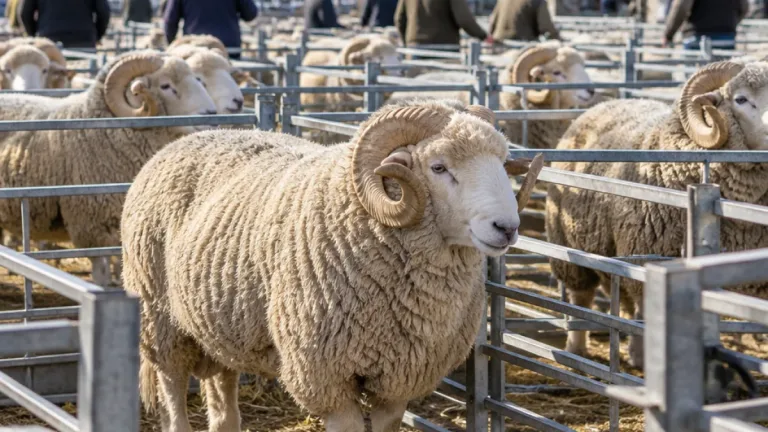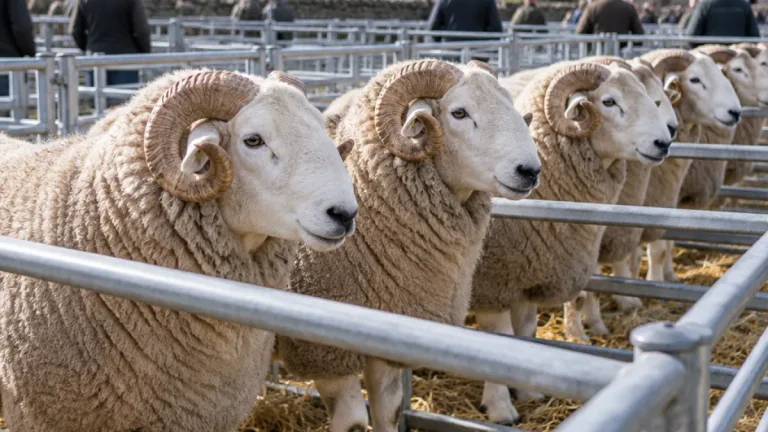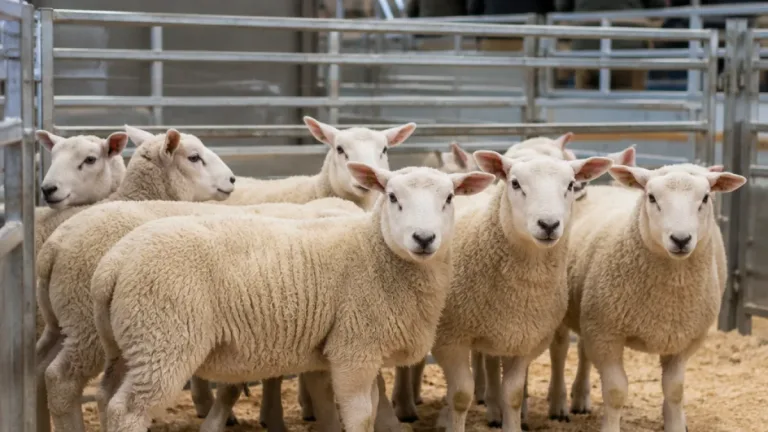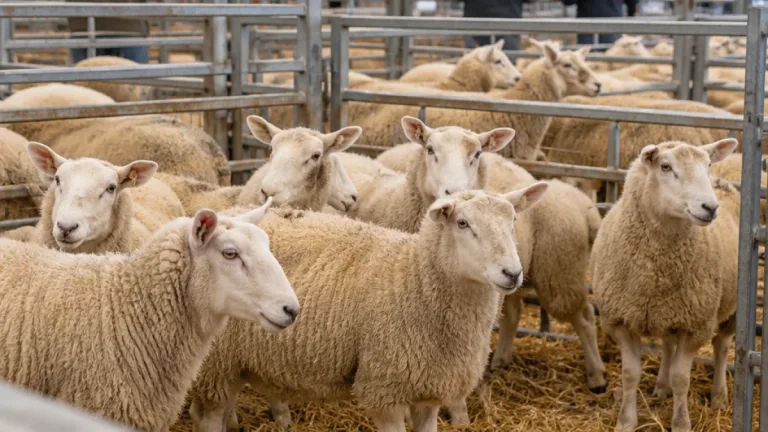
An international research team has produced a detailed map of how genetic variation influences gene activity in sheep, providing new evidence of the biological changes associated with 10,000 years of domestication and selective breeding.
The atlas, known as SheepGTEx, was developed by researchers including scientists from Aarhus University. It records genetic regulatory effects across 51 different tissues and cell types, allowing genetic variants to be linked with the genes, biological processes and tissues in which they operate.
Connecting genetic variation with gene activity
Selective breeding has progressively shaped sheep for characteristics including wool, body size and reproductive performance. The research examined how that process has affected not only the DNA sequence itself, but also the mechanisms controlling when and where genes are switched on.
The team combined the atlas with genetic material from 52 ancient sheep spanning approximately 10,000 years. This comparison produced evidence that domestication and later breeding altered genetic variants involved in regulating gene activity, including variants active in tissues such as the skin and cervix.
“What surprised me most was the relationship between tissue-specific gene regulation and the genetic signatures left by selection. Our findings suggest that domestication and breeding may have altered particular traits by changing gene regulation in specific tissues,” said Lingzhao Fang, associate professor at the Center for Quantitative Genetics and Genomics at Aarhus University.
Evidence from ancient sheep
One of the study’s key findings was that genetic variants regulating genes in only one or a small number of tissues showed stronger signs of selection than variants affecting several tissues. The result points to tissue-specific gene regulation as an important part of the genetic history recorded in modern sheep.
The research provides a framework for examining the relationship between inherited variation and gene function. Its main elements include:
- a regulatory atlas covering 51 sheep tissues and cell types;
- hundreds of thousands of genetic regulatory effects identified by the researchers; and
- comparisons with DNA from 52 ancient sheep representing approximately 10,000 years of history.
A resource for sheep genetics research
By connecting genetic variants to particular genes and tissues, SheepGTEx gives researchers a way to study the mechanisms behind traits shaped by domestication and selection. The findings also demonstrate that the legacy of breeding can be traced through changes in gene regulation, rather than only through differences in the DNA sequence.
The study was published in Nature Genetics. Its findings add a broad genetic resource for future work on sheep biology, domestication and the traits that have been selected over successive generations.