Haemonchus contortus was detected in 51.51% of sheep and goats examined in a study of slaughter animals in Gondar Town, northwest Ethiopia. The blood-feeding nematode is recognised as a highly pathogenic parasite of small ruminants, and the research examined both the prevalence of infection and factors associated with the animals testing positive.
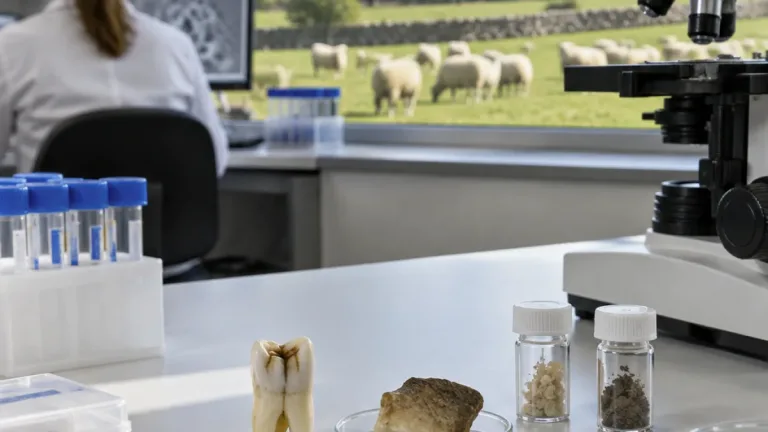
The investigation ran from December 2024 to June 2025. Researchers collected abomasal material from 299 sheep and goats slaughtered at hotels and restaurants across Gondar Town, allowing adult H. contortus worms to be identified directly in the digestive organs.
Study design and findings
The animals were assessed against a range of possible risk factors. These included species, age, sex, body condition score and geographic origin. The researchers also collected blood from a smaller diagnostic group to examine the physiological effects associated with infection.
- 299 slaughtered sheep and goats were examined for adult H. contortus;
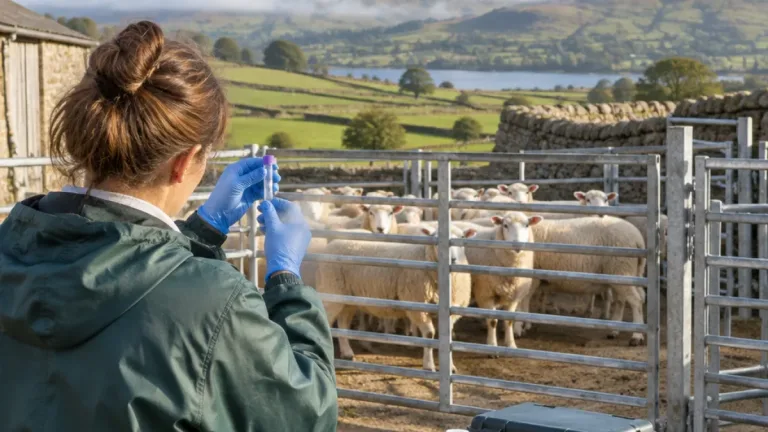
- 60 blood samples were analysed, comprising 30 from infected animals and 30 from non-infected controls;
- the study identified associations involving body condition, geographic origin and anaemia;
- medium-condition animals were more likely to be infected than those in good condition.
Multivariable analysis found a statistically significant relationship between body condition and infection status, with the probability level below 0.05. Animals classified as having a medium body condition score were 7.68 times more likely to harbour the parasite than animals in good condition. The reported 95% confidence interval for that odds ratio was 4.29 to 13.73.
“The blood-feeding nematode parasite, recognized as highly pathogenic, poses an ongoing threat to the health and productivity of sheep and goats within the region.”
Relevance to small-ruminant health
The research links the presence of H. contortus with measurable differences in the condition of the slaughter animals and with anaemia identified through the blood examination. Because the parasite feeds on blood in the abomasum, the study’s use of both abomasal inspection and haematological testing provided two measures of infection and its effects.
However, the design was a cross-sectional investigation of animals presented for slaughter rather than a longitudinal flock study. The sample was drawn from sheep and goats slaughtered at hotels and restaurants in one Ethiopian town during a defined period. Its prevalence figure therefore describes the surveyed slaughter population and should not be treated as a direct estimate for every flock or region.
The researchers’ assessment of species, age, sex, body condition and geographic origin was intended to identify factors associated with infection. The strongest reported relationship was with body condition, while the study also recorded links with origin and anaemia. The findings add to evidence on the health burden of haemonchosis in sheep and goats and underline the value of combining parasite identification with clinical and blood-based assessment in small-ruminant research.