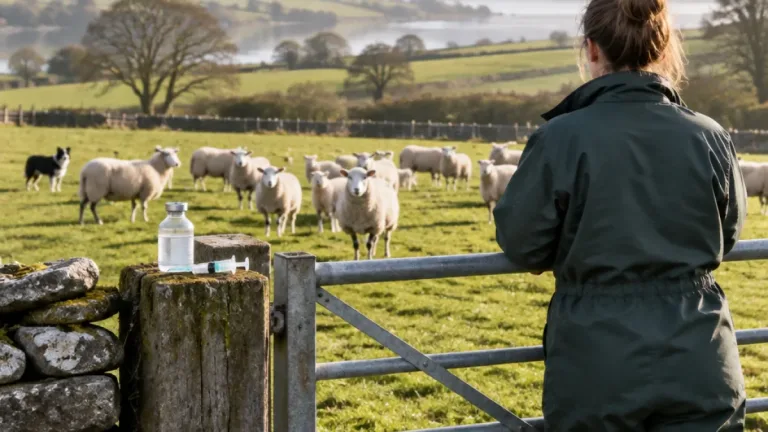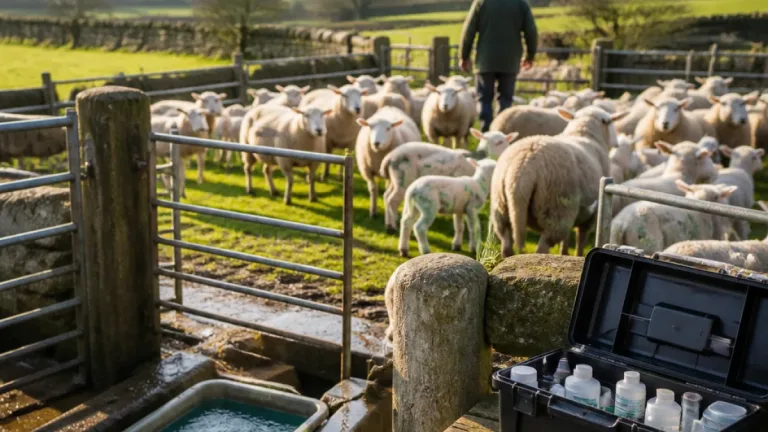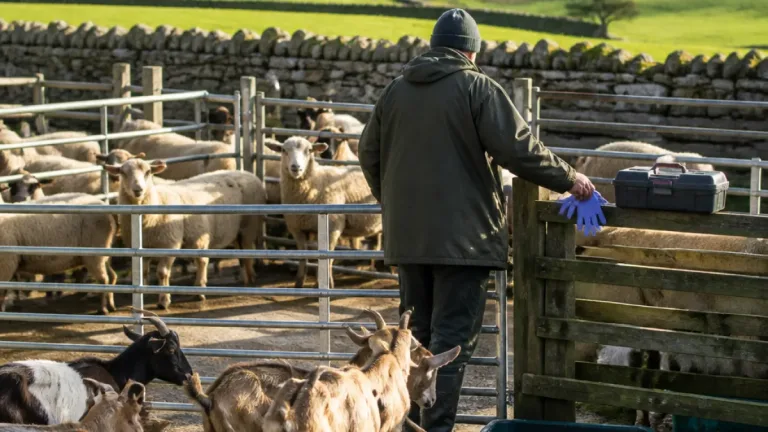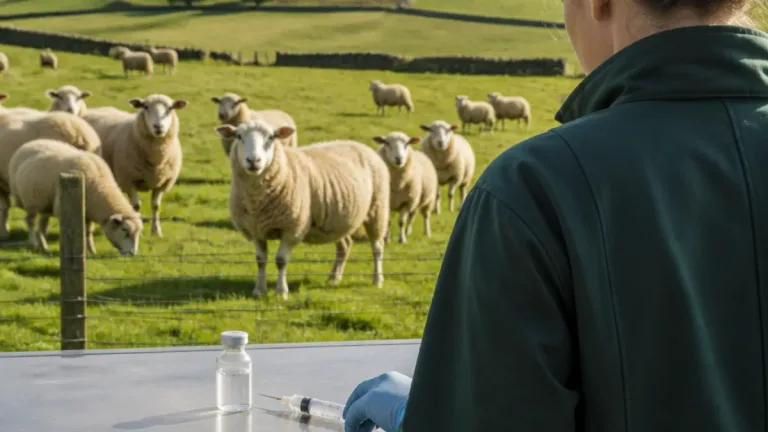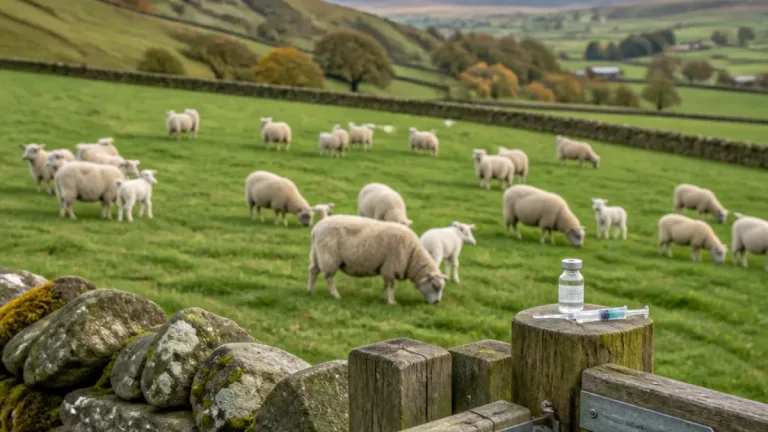
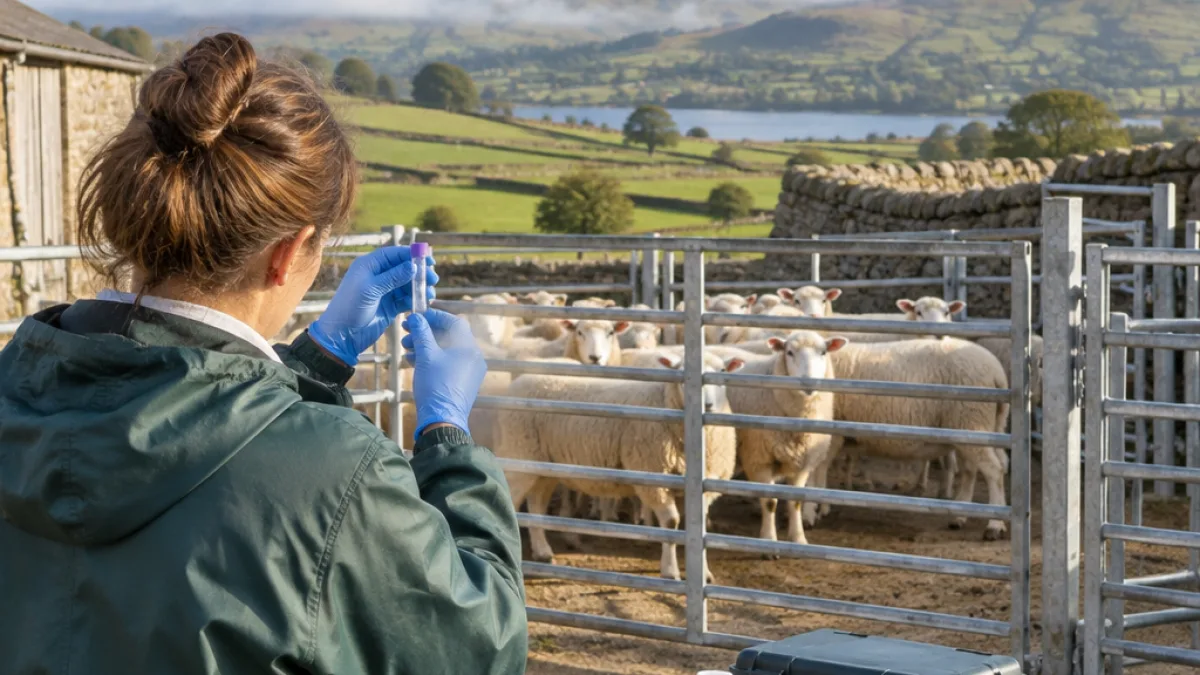
The Moredun Research Institute has made a validated polymerase chain reaction (PCR) test for bluetongue available to farms in Scotland, providing additional capacity during a period of livestock purchasing and movement.
The service is being offered ahead of a formal accreditation process, which Moredun’s Veterinary Surveillance Unit aims to complete in spring 2027. Until that independent assessment has been completed, the test is available for private purposes only and cannot be used for official certification.
Private testing only during initial phase
A negative result can give farmers and their private vets more information when assessing livestock brought on to a holding, including animals bought through a market or sale. However, the test does not replace the official route for animals intended for export or for the movement, freezing or storage of germinal products.
- The service is currently available only to farms located in Scotland.
- Export testing must continue to be carried out through the Pirbright Institute, the UK’s National Reference Laboratory.
- The service is not yet an official test for export certification or other official purposes.
Moredun will report negative results to the farmer and their private vet. Positive results will be reported to the Animal and Plant Health Agency (APHA), which will notify the keeper directly. Movement restrictions may then be imposed while the suspected infection is investigated.
“We recognised the need for increased bluetongue testing capacity in Scotland and have worked hard to make this service available as quickly as we could.”
Valentina Busin, head of Moredun’s Veterinary Surveillance Unit, said winter was an important period for livestock movements and purchasing. She added that testing could provide farmers and vets with more information when assessing incoming animals before the higher-risk period in spring.
Restrictions depend on the investigation
Where bluetongue virus serotype 3 (BTV-3) is confirmed, most restrictions can usually be lifted, according to the information accompanying the service. Animals that have tested positive generally need to remain under movement restrictions for at least 60 days, although the precise period depends on APHA’s risk assessment.
The distinction between private and official testing is therefore central to the scheme. A result from Moredun can support private decision-making during the pre-accreditation phase, but it does not provide the certification required for export or other regulated movements.
Formal accreditation would allow the service to be extended to farms elsewhere in the UK, Moredun said. Until then, Scottish farms are the only holdings eligible to use the new testing capacity.