The Irish Creamery Milk Suppliers Association (ICMSA) has called for urgent testing of fallen stock and strengthened surveillance after confirmed cases of bluetongue virus serotype 3 (BTV-3) in Ireland rose to 48 by late October.
Concern over vaccine uptake and timing
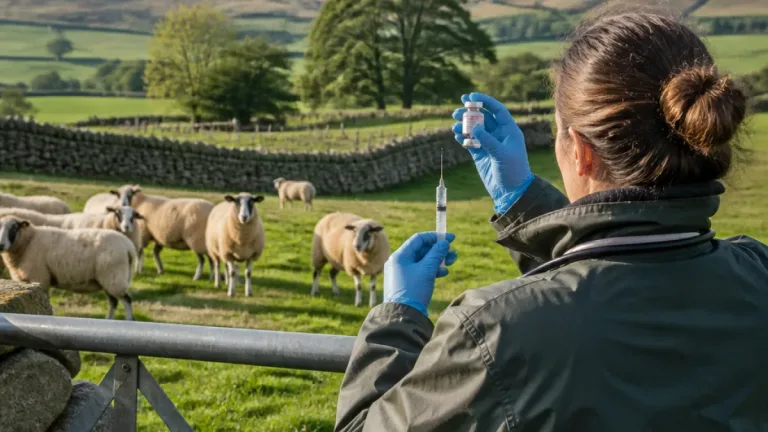
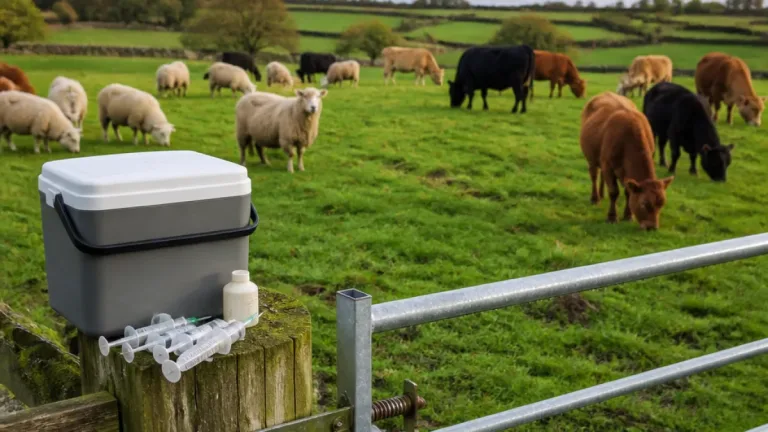
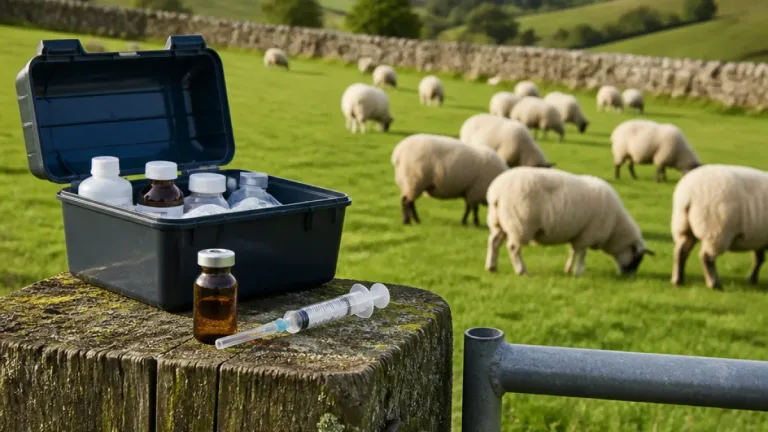
ICMSA livestock committee chairperson Michael O’Connell said roughly four million BTV-3 vaccine doses had been distributed to private veterinary practitioners but estimated that uptake covered only about 50 percent of the country’s mature breeding stock. The association warned that substantial immunity gaps remain in commercial herds and flocks.
O’Connell criticised the Department of Agriculture, Food and the Marine (DAFM) for what he described as a delay in official communication and the immunisation campaign. He said advisories encouraging herd vaccination, issued in October, arrived too late for many spring-calving dairy and beef operations, which require a two-dose protocol administered at least four weeks before the breeding window to prevent transplacental transmission and related reproductive losses.
Scale of national herd and flock
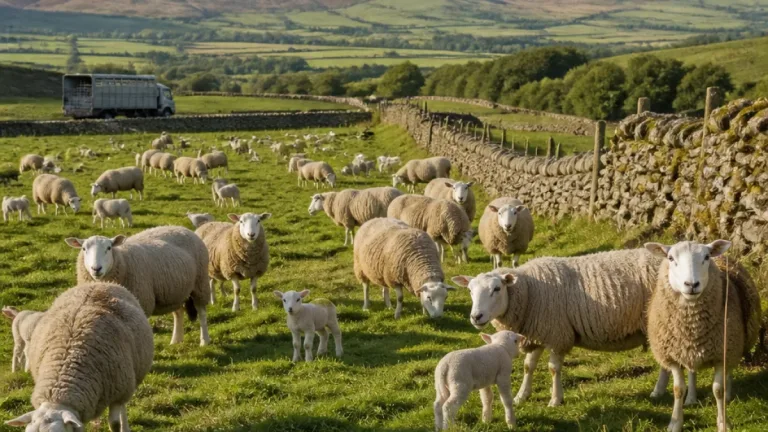
The ICMSA emphasised the scale of the national livestock population when outlining the risk: Ireland’s inventory includes 2.45 million dairy and suckler cows and 2.7 million breeding ewes. Against that background, ICMSA says a 50 percent vaccination rate leaves a large proportion of breeding stock unprotected.
| figure | value |
|---|---|
| confirmed BTV-3 cases (late October) | 48 |
| vaccine doses distributed to private vets | 4,000,000 |
| estimated proportion of breeding stock vaccinated | 50 percent |
| national dairy and suckler cow inventory | 2.45 million |
| national breeding ewe inventory | 2.7 million |
Surveillance and testing call
The ICMSA urged immediate testing of fallen stock and more aggressive disease surveillance, citing prolonged warm, dry conditions that have favoured expansion of Culicoides biting midge populations, the vector responsible for transmitting bluetongue. Industry leaders also faulted the initial approach to the vaccination rollout, saying treating immunisation as a private commercial arrangement between individual producers and their private veterinary practitioners meant the critical spring window for establishing widespread immunity was missed.
- Confirmed cases: 48 by late October
- Vaccine doses distributed: 4,000,000 to private veterinary practitioners
- Estimated coverage: ~50% of mature breeding stock
The ICMSA statement stresses the need for intensified testing and surveillance but does not prescribe veterinary treatments; farmers are advised to consult their own veterinary practitioners for on-farm health decisions.