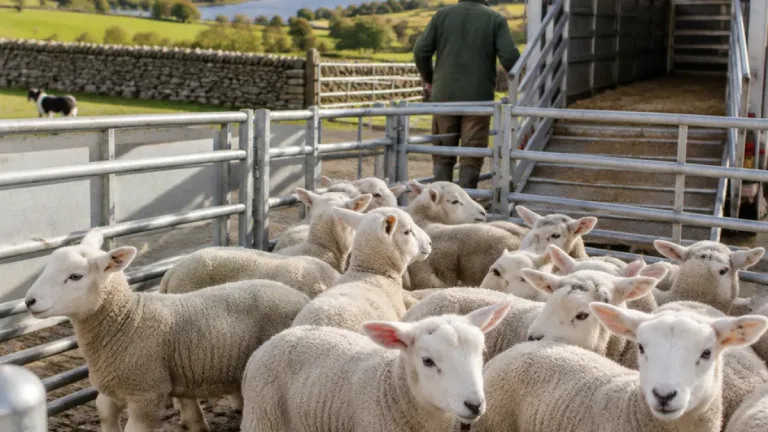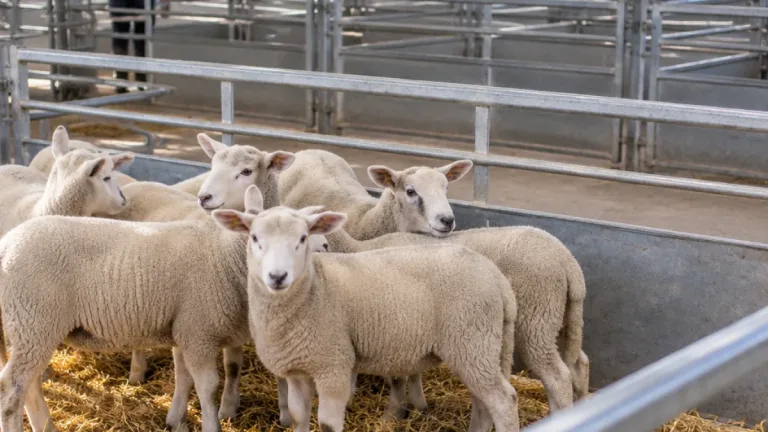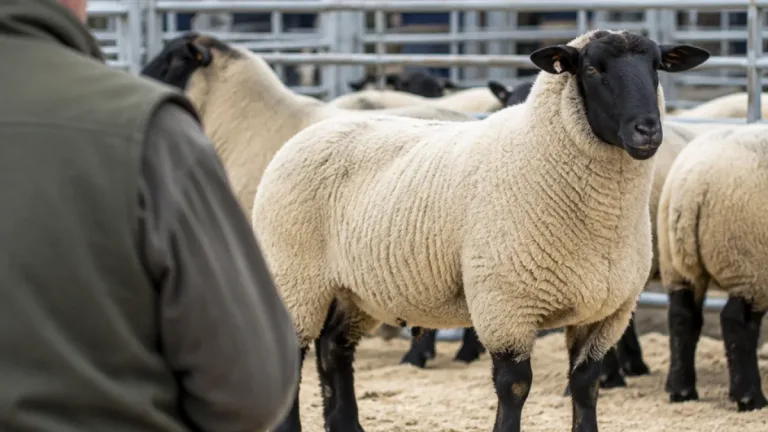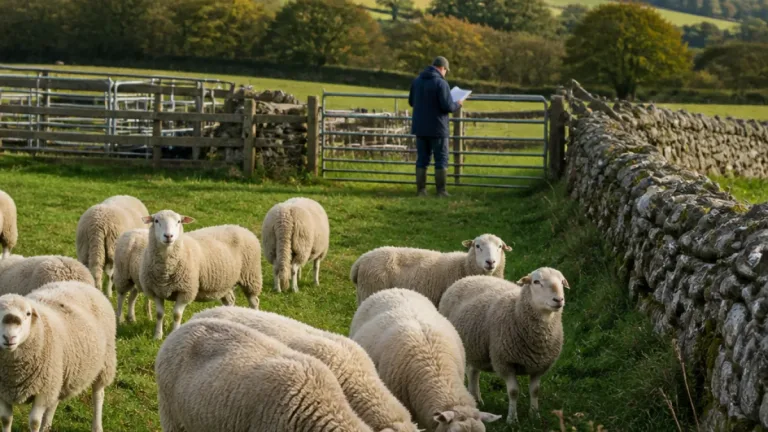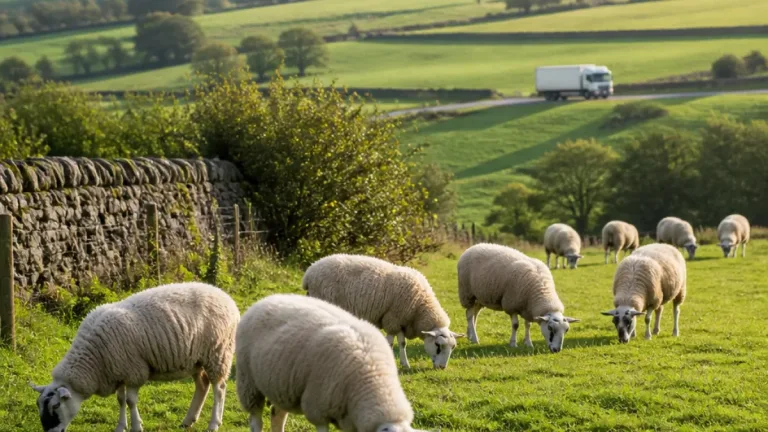
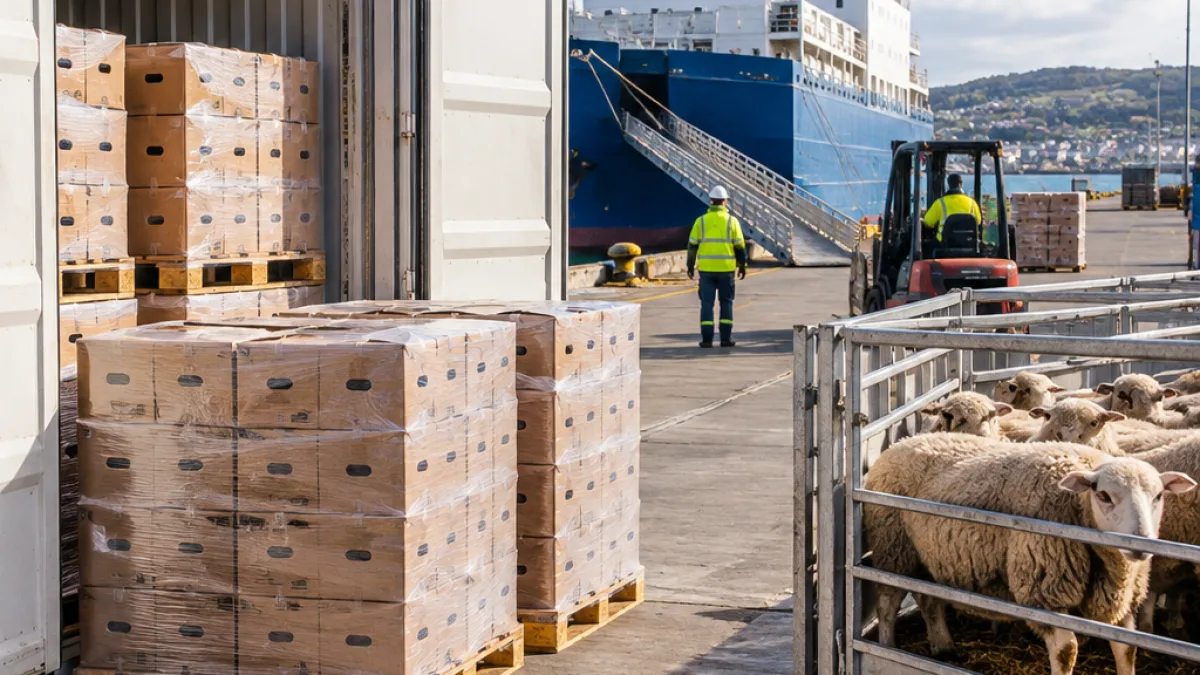
A tied decision by the US International Trade Commission (USITC) has left the future of Australian lamb exports to the United States in the hands of President Donald Trump.
The commission was considering whether imports had harmed the American sheepmeat industry, but its members could not agree on the outcome. The deadlock means the case will proceed to a public hearing on possible remedies, after which the commissioners will send their recommendations to Mr Trump.
Australian lamb already faces a 12.5% tariff in the US, alongside a range of other Australian products. The Australian government has argued that this charge conflicts with the countries’ free trade agreement and has opposed the introduction of any further tariff on lamb.
Decision now rests with the US president
The USITC investigation began in July after a request from US trade ambassador Jamieson Greer, described as one of the main architects and strongest supporters of the Trump administration’s tariff policy. The commission’s inability to reach a majority finding does not itself impose a new tariff, quota or other restriction.
“A tie vote … means the president can decide which vote (affirmative or negative) he chooses the ‘winning’ vote.”
That was the assessment given to the ABC by Jennifer Hillman, a former USITC commissioner and Georgetown University academic. She said she would expect Mr Trump to be inclined towards an affirmative determination and the introduction of tariffs or tariff-rate quotas, particularly given the difficulties facing US farmers more broadly.
The next formal stage is a public remedies hearing on 1 December. The commissioners are due to produce their report for the president by 11 January. Their recommendations will not bind the White House, with the final decision on any trade measure to be made by Mr Trump.
Australia argues imports meet US consumer demand
Australia has warned that additional trade barriers would increase prices for people buying lamb in the United States. Most lamb imported by the US comes from Australia and New Zealand. Australian shipments exceeded 100,000 tonnes in the previous year and were valued at more than $1 billion.
The figures underline the importance of the US market to Australian exporters, while the case also has significance for the wider international lamb trade. Any change to the conditions governing access would affect one of the principal destinations for imported sheepmeat, although the US decision applies to the Australian product under investigation.
- The USITC vote was tied over whether Australian lamb imports had harmed the US industry.
- A public hearing on possible remedies is scheduled for 1 December.
- A report is due to Donald Trump by 11 January, with the president holding the final decision on tariffs or other restrictions.
Alan Wolff, a former deputy director-general of the World Trade Organization, told the ABC that the commissioners would make recommendations but that tariff decisions were also political decisions. He said the outcome remained open because Mr Trump had shown a willingness to apply tariffs to imports from countries regarded as allies.
“They will make recommendations to the president, but tariff decisions are always political decisions in part.”
The remedies process will therefore determine whether the US lamb trade moves beyond its current tariff arrangements, or whether Australian exporters retain access without an additional restriction.