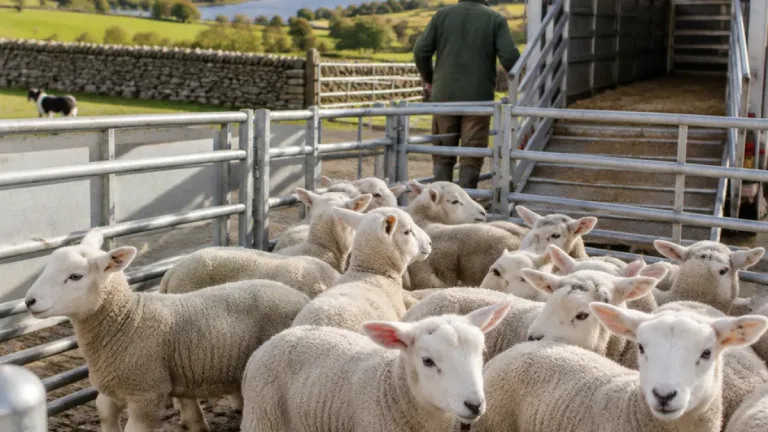

Jen and Rich Oglesby have built a 1,400-acre livestock business in Northumberland after starting with 40 ewes in 2015, despite neither having inherited a commercial farming operation. Their progress is outlined in an AHDB report, which describes how temporary grazing, contract arrangements and careful budgeting supported the expansion.
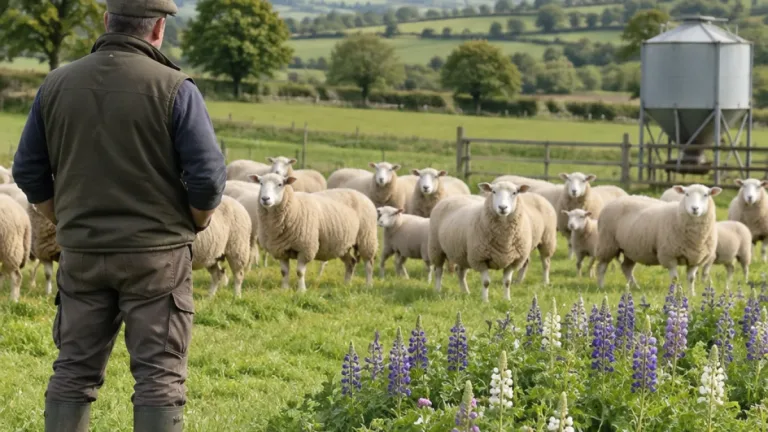
The couple now farm at Colt Park under a 15-year tenancy. Before securing a permanent base, they operated what the report calls a flying flock, arranging grazing with several landowners rather than relying on one holding. Summer grazing covered about 220 acres, with a similar area secured through agreements with arable farmers for the winter period.
Growth through flexible land arrangements
At one stage, the business used land belonging to 22 different landlords. The AHDB report identifies flexibility, organisation and maintaining relationships with landowners as central to making that system work. It also says the business grew through its reputation and word of mouth.
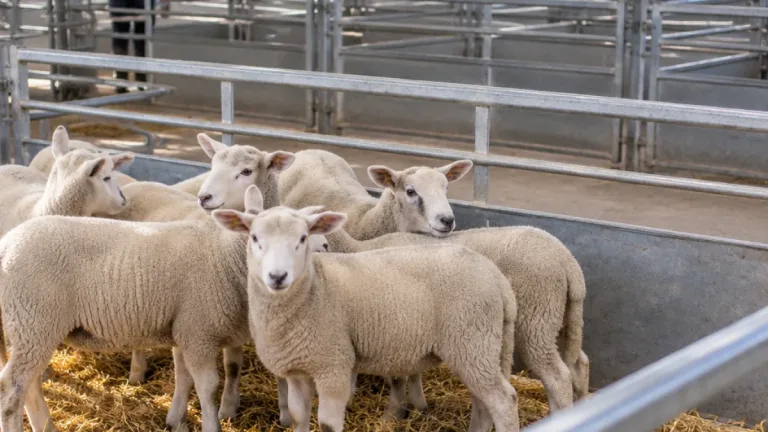
By 2023, the flock had increased to about 900 breeding ewes plus followers. The couple also took sheep in for other farmers during the winter, at times managing as many as 2,000 ewes. The figures illustrate the scale that can be reached through flock management and grazing agreements before, and alongside, the development of a larger tenanted unit.
| Milestone | Detail |
|---|---|
| 2015 | Business started with 40 ewes |
| Before the Colt Park tenancy | Grazing arranged across land held by up to 22 landlords |
| 2023 | About 900 breeding ewes plus followers |
| Winter peak | Up to 2,000 ewes managed, including sheep taken in for other farmers |
Cattle added to the enterprise
Cattle were introduced in 2021, when the couple bought 60 British Blue dairy-beef weaned calves. The AHDB report says the decision to buy younger animals made them considerably more affordable. The calves grazed during the summer and were wintered on red clover silage in simple outdoor yards, which also served as lambing facilities.
In the first year, the yards were basic, with straw bales used to form boundaries because the budget did not extend to concrete panels. The account presents this as part of a gradual approach to investment, with facilities developing as the livestock business expanded rather than being established through a large inherited capital base.
Learning from other farming systems
The report also highlights the couple’s willingness to seek advice from farmers running systems that interested them. They made repeated visits to the Nelless family in Northumberland to study their approach to outwintering cattle. The report says the family later recommended the Oglesbys, and that recommendation was instrumental in helping them secure the farm at Colt Park.
- The business began with 40 ewes and no inherited commercial farm.
- Land access was built through agreements with multiple landlords and arable farmers.
- Sheep remain central to the enterprise, alongside cattle and winter livestock management for other farmers.
The AHDB account underlines the importance of combining stock ownership with access to land, practical relationships and controlled spending. For the Oglesbys, sheep provided an initial way to build capital and stock, while the flying-flock model created the flexibility needed before they moved to a long-term tenancy.