
US lamb consumption increased by more than 17% between 2021 and 2025, but sales of domestically produced lamb fell by more than 10% over the same period, according to industry data presented during a review by the US International Trade Commission.
The figures have become central to a dispute over whether imported lamb is causing injury to the American sheep industry. Producers and other industry representatives are asking the Commission to consider the effect on sheep growers, feeders and businesses linked to production, rather than limiting its assessment to processing companies.
Producers report lost sales
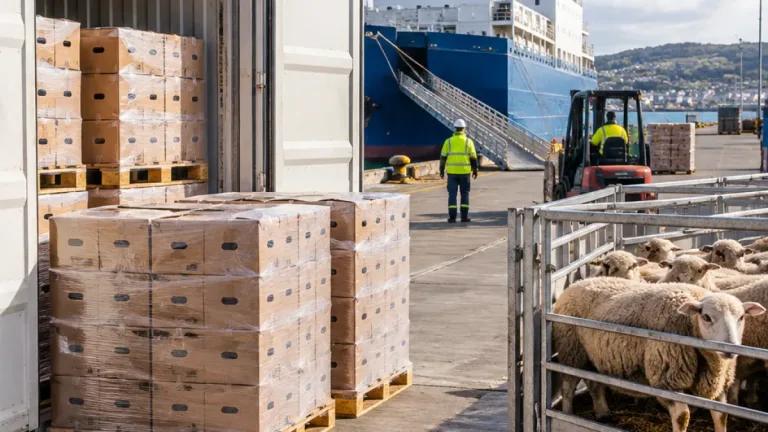
Domestic producers argue that imported lamb has taken market share even when American product was available. Several participants in the review described retailers and buyers moving towards imported supplies because of lower prices.
Processors also told the Commission that imported product had affected what they could offer livestock producers. Some reported losing important customers, while others said lower-priced imports reduced the bids available for American lamb.
| Measure | Change between 2021 and 2025 |
|---|---|
| US lamb consumption | Increased by more than 17% |
| Domestic lamb sales | Declined by more than 10% |
Farms.com reported that some American suppliers said retailers had switched to imported lamb despite domestic businesses being able to meet their requirements. Other evidence presented to the Commission indicated that buyers had stopped purchasing from particular ranchers or could no longer make a bid for their livestock.
- Domestic producers are seeking recognition of the effect on growers and feeders.
- Import supporters say overseas product helps maintain supply when US production is constrained.
- Weather conditions, including drought, have been cited as a factor affecting domestic output.
Different views on the role of imports
Representatives supporting imported lamb have argued that overseas supplies fill gaps created by lower American production and help maintain consumer access as demand grows. They have pointed to drought and other longstanding production difficulties as reasons for the decline in domestic supply.
American producers dispute that explanation. Their position is that lamb was available domestically but was replaced by less expensive imports. The competing arguments are being considered as part of the Commission’s examination of the US sheep industry.
The review has highlighted how changes in international supply can be transmitted through the entire lamb chain. A change in a retailer’s sourcing decision can affect processor purchasing, the price offered for livestock and the volume sold by individual sheep businesses. The Commission’s consideration of those links will determine how the impact of imports is assessed in the US market.