Two Suffolk ewes were euthanised and a third sheep died in a suspected poisoning incident after garden clippings were dumped in a field, according to a report from the Department of Agriculture, Food and the Marine (DAFM) regional veterinary laboratories.
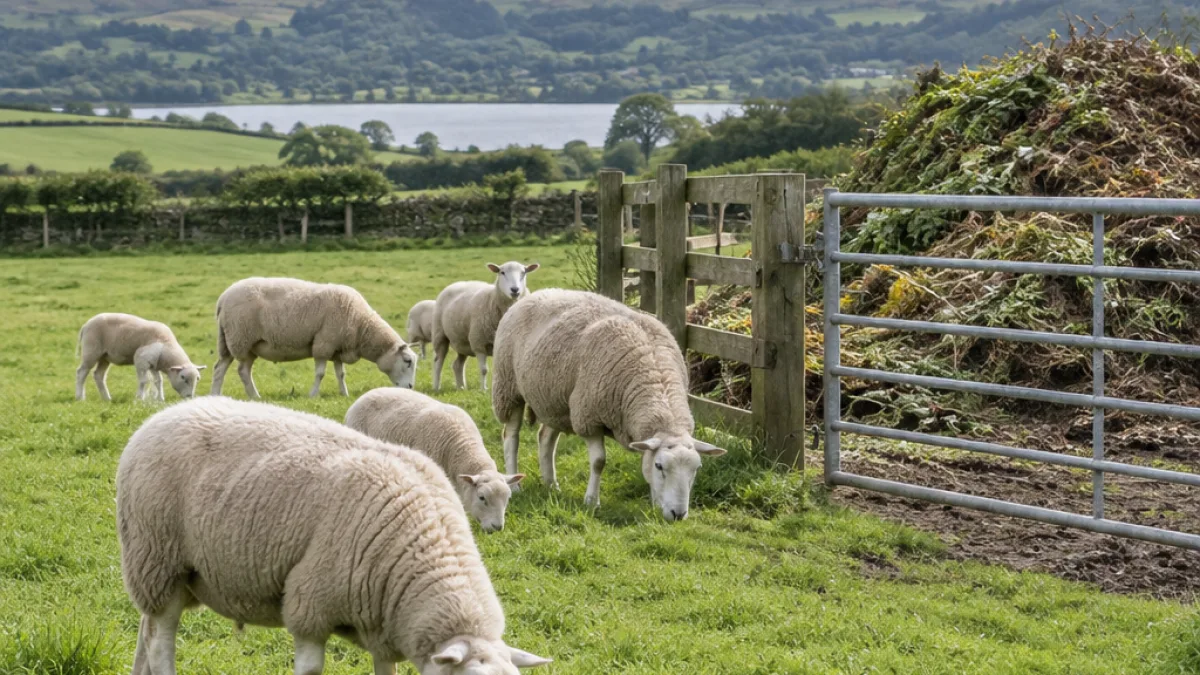
The affected sheep were examined at Sligo Regional Veterinary Laboratory after two were found lying down and semi-conscious. Both were subsequently euthanised, while a third sheep had died on the previous day. Garden waste had reportedly been left in the field several days before the animals became ill.
Plant material identified in stomach contents
Post-mortem examinations found no significant visible abnormalities. However, the laboratory identified small leaves with distinctive scalloped edges in the stomach contents of both ewes. The National Botanic Gardens’ Plant Identification Service identified the leaves as Japanese spindle, an ornamental shrub that can be toxic to livestock.
The findings indicated that the sheep had eaten the plant, which was considered the most likely explanation for their illness. The case has highlighted the risks associated with disposing of garden waste in or near fields used by grazing livestock, particularly where the contents of a pile are not known.
- Two Suffolk ewes were found semi-conscious and were later euthanised.
- A third sheep died before the veterinary laboratory investigation.
- Japanese spindle leaves were identified in the stomach contents and considered the most likely cause.
Risks extend beyond poisonous plants
The DAFM regional veterinary laboratories report also warned that garden clippings can cause problems even when they do not contain a poisonous species. Large quantities of lawn clippings may contribute to ruminal acidosis, described in the report as excessive acidity in the rumen.
Officials also identified a possible infection risk where lawn clippings have been contaminated with dog or cat faeces. Such material can contain parasites including Neospora caninum and Toxoplasma gondii, which can pose an additional risk to grazing livestock.
Department issues poisoning warning
DAFM has advised farmers to check fields and hedgerows regularly and carefully for possible sources of livestock poisoning. The department listed lead, nitrate and yew tree toxicosis among the most common poisoning risks.
Where a farmer suspects that an animal has been poisoned, DAFM says a vet should be contacted immediately. The report reinforces the need for any concerns about affected sheep, possible toxins or contaminated material to be assessed with the farmer’s own veterinary surgeon.