A veterinary investigation of 11,355 sheep slaughtered in Finland during 2024 found a low overall level of recorded health problems, with 96% of inspected animals showing no pathological lesions or carcass condemnations.
The records came from a major Finnish slaughterhouse and covered sheep from 228 agricultural holdings. The study population represented more than 20% of all sheep slaughtered in Finland during the year, giving the findings a substantial national sample despite the country’s relatively small sheep sector.
Most animals had no recorded lesions
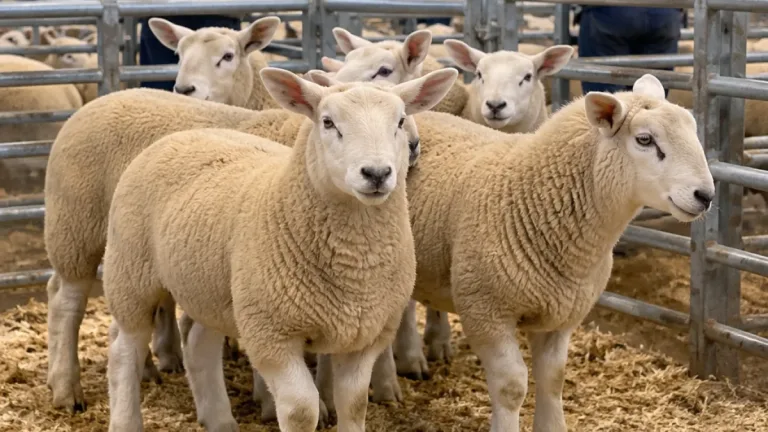
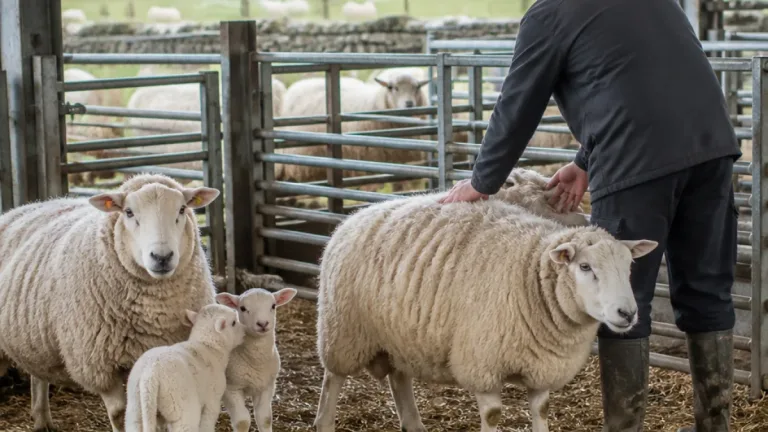
In total, 10,867 carcasses from 136 farms were classified as free of lesions. Lambs aged under one year made up 79% of the animals examined, while adult sheep accounted for the remaining 21%.
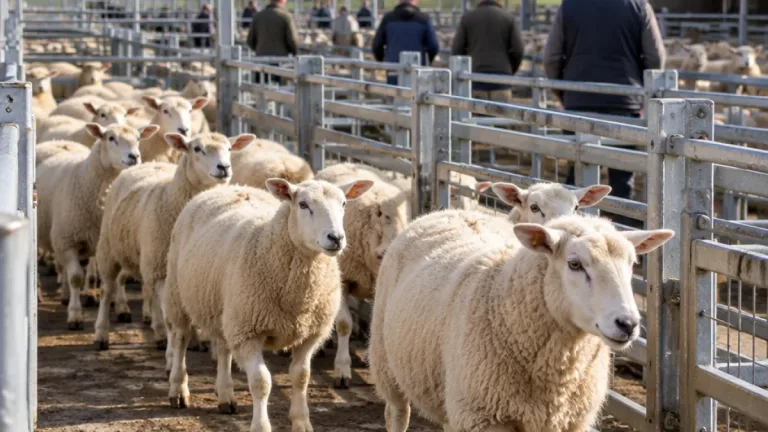
The investigation used official meat inspection records, including both ante-mortem and post-mortem assessments. Its central finding was that animal age influenced health findings more strongly than whether sheep were managed organically or conventionally.
That comparison is relevant in Finland because organic sheep production accounts for a relatively large share of national output. Certified organic farms produced more than 20% of the country’s sheep meat by weight in 2024, compared with less than 5% of beef production and 0.5% of pork production.
Finnish sheep sector remains comparatively small
Finland had approximately 115,400 sheep on 1,112 registered holdings in 2024. The native Finnsheep was the predominant domestic breed, while annual slaughter was around 50,000 animals.
The production system operates under different conditions from conventional management. Organic rules require greater access to pasture and place tighter limits on the use of chemotherapeutic and medical interventions. The study examined whether those differences were reflected in veterinary inspection findings, but identified age as the more important factor in the results reported.
- 11,355 sheep were included in the 2024 slaughter-record analysis.
- The animals came from 228 holdings.
- 10,867 carcasses from 136 farms had no recorded lesions.
- Lambs under one year represented 79% of the sample.
| Measure | Finding |
|---|---|
| Sheep examined | 11,355 |
| Animals with no lesions or condemnations | 96% |
| Holdings represented | 228 |
| Organic share of Finnish sheep meat by weight | More than 20% in 2024 |
Inspection records provide a national health snapshot
Meat inspection findings do not replace on-farm monitoring, but they provide a consistent point at which health outcomes can be recorded across animals from different holdings and management systems. In this study, the very high proportion of carcasses without lesions or condemnations indicated a generally robust health status among the sheep assessed.
The figures also put Finland’s sheep industry in context. Sheep numbers and slaughter volumes are modest compared with the country’s beef and pork sectors, yet organic production has a much larger role in sheep meat. The study therefore offers evidence from a production system where pasture access, organic certification and flock scale form an important part of the operating environment.
The findings were based on slaughter records from 2024 and compared health observations by animal age and production method. The study’s reported conclusion was that age, rather than organic management, was the main factor associated with differences in inspection findings.