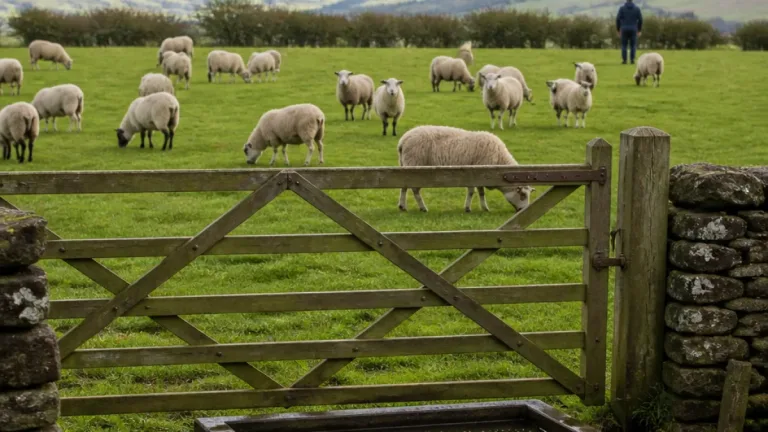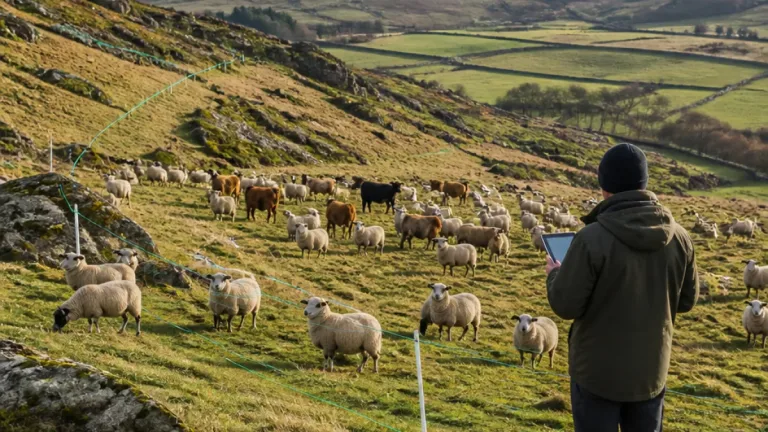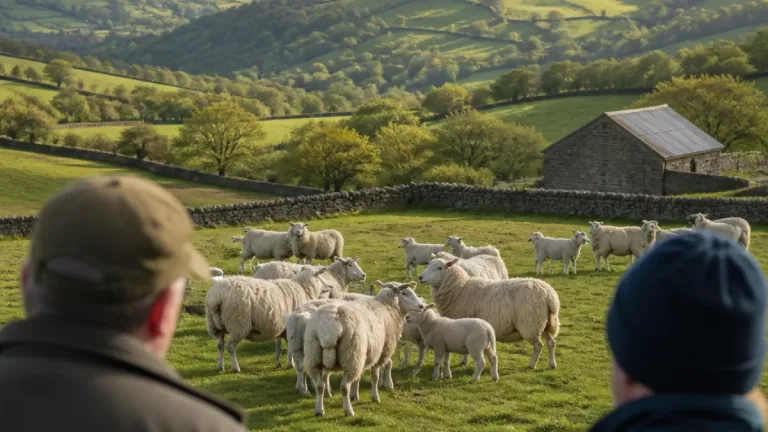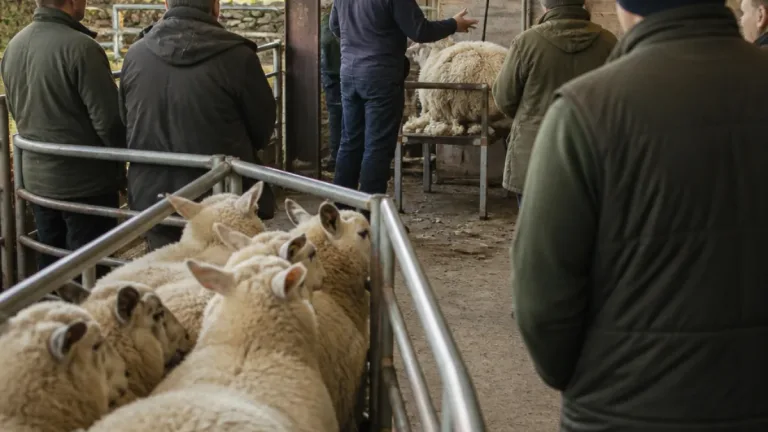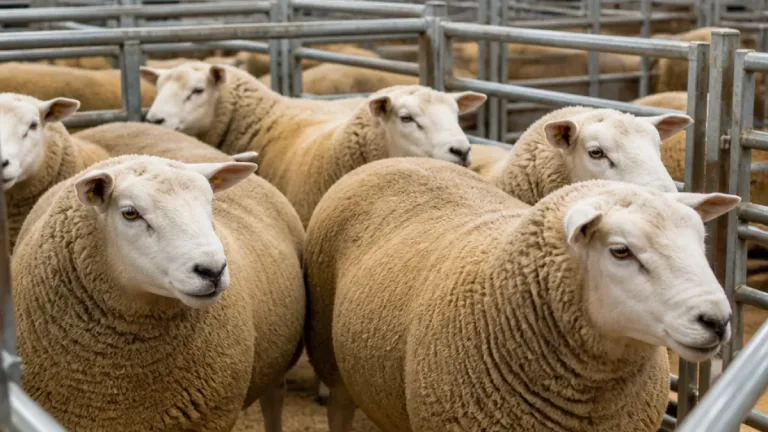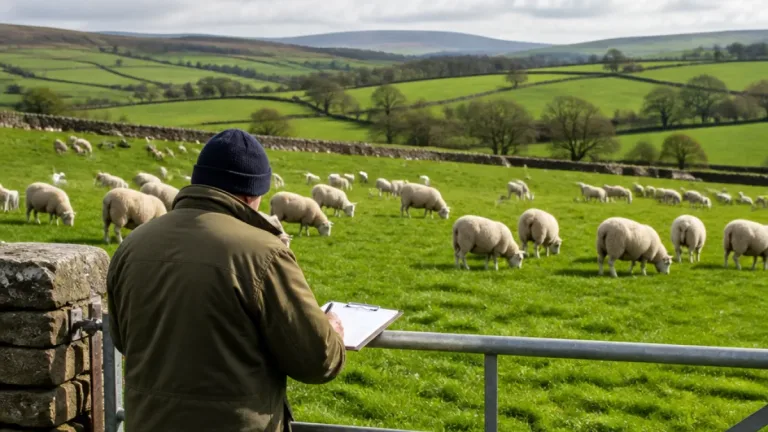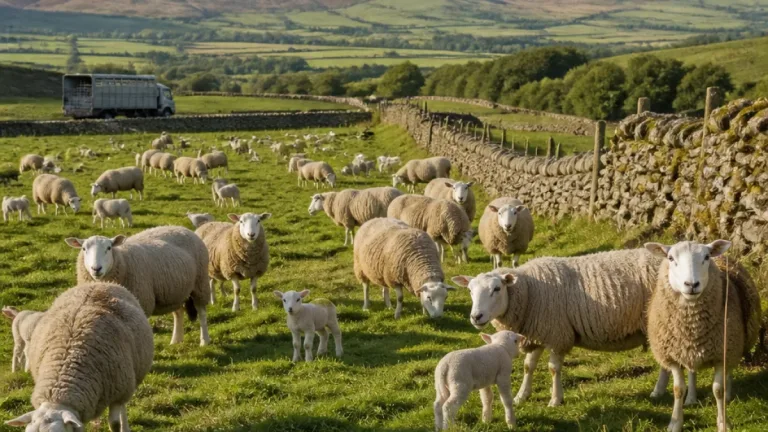
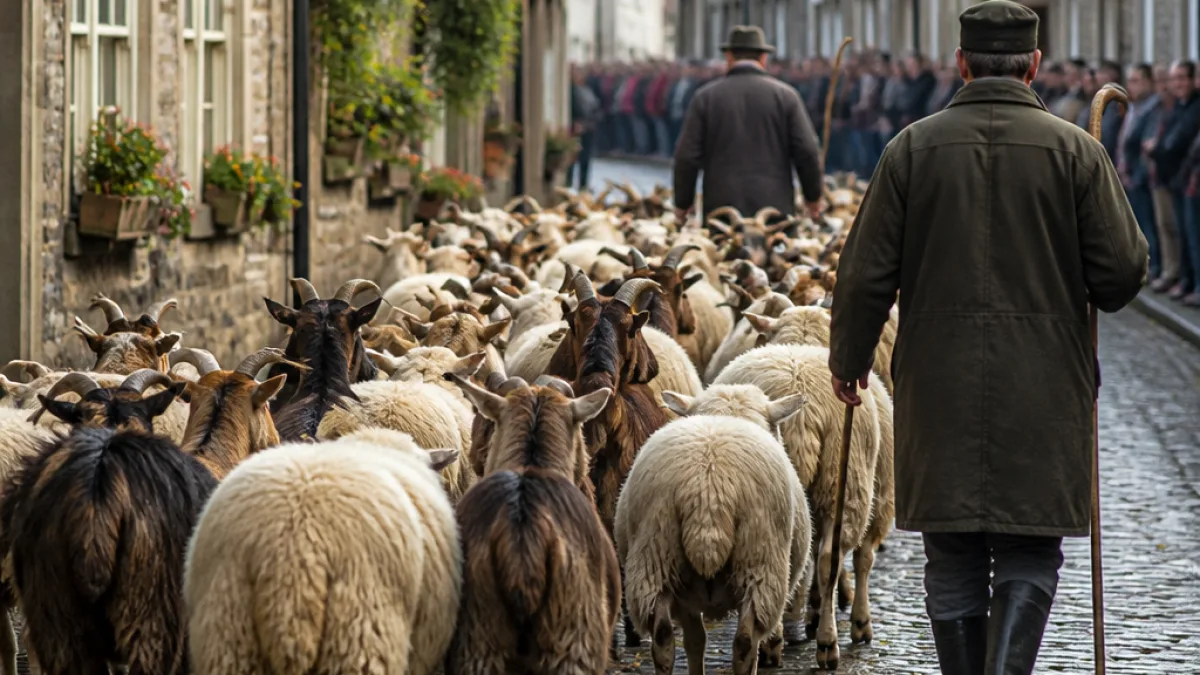
On 25 October 2026 Madrid’s long-running transhumance celebration moved thousands of animals through the city centre on an altered itinerary after a housing protest camp at the Puerta del Sol prevented the flocks using their customary route. The XXXIII edition of the Fiesta de la Trashumancia involved 1,410 animals, including 1,250 sheep and 160 goats, and attracted thousands of onlookers.
Route changed to avoid Puerta del Sol
The City Council organised an alternative route so the animals did not cross Puerta del Sol or reach Plaza de Cibeles as in previous years. Instead, the institutional reception was moved to the Plaza de la Villa, where shepherds observed a centuries-old ceremony involving the symbolic payment of 50 maravedís, a tradition that dates back to 1418.
- Date: 25 October 2026
- Animals: 1,410 head (1,250 sheep, 160 goats)
- Festival edition: XXXIII (held in Madrid since 1994)
Cultural tradition and environmental message
Organisers used the spectacle to highlight transhumance’s role in conservation and rural livelihoods. The event emphasised how seasonal livestock movement and extensive grazing help clear undergrowth and reduce fuel for wildfires, and called attention to the historic network of droving routes across the Iberian Peninsula.
Reports said the route adjustment followed weeks of demonstrations centred on Puerta del Sol after the eviction of an elderly resident, an incident that had intensified public protests. Avoiding the protest camp, the shepherds led the flock through central streets to the sound of bells and the attention of tourists and locals.
| item | detail |
|---|---|
| starting point reported | Casa de Campo (reports describe the route through several central streets) |
| institutional reception | Plaza de la Villa with symbolic payment |
| festival first held in Madrid | 1994 |
Coverage noted that transhumance is in decline in parts of Spain as younger generations leave rural areas, and that modern farming methods have reduced the number of farmers practising seasonal migration. Nevertheless, the festival is presented as a way to keep the custom alive for both its cultural value and the environmental services extensive systems provide.
The event follows similar transhumance celebrations held in other countries and regions, and this year’s diversion underlined how urban events can be affected by contemporary social and political pressures while still showcasing traditional livestock practices.