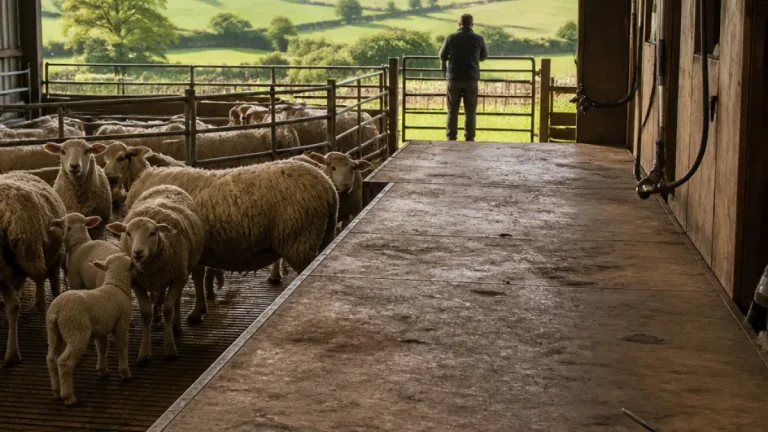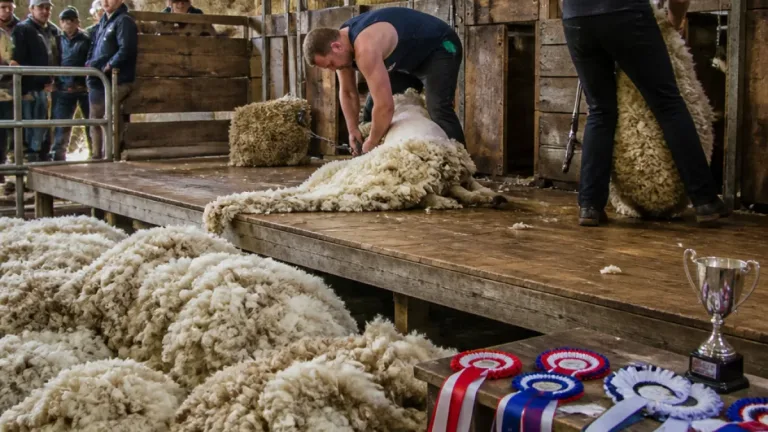
New Zealand’s wool industry is continuing to fund specialist training for shearers and wool-shed workers after court cases arising from an investigation into the abuse and ill-treatment of sheep during shearing.
The Animal Welfare & Calm Sheep Handling programme was established by government and industry in late 2025, following an investigation by the Ministry for Primary Industries (MPI) into shearing practices across Aotearoa. The initial course trained 480 shearers, while the extension is expected to provide training for a further 400 students.
The renewed support follows two convictions connected with the investigation. North Otago shearer Damian Fraser was sentenced last week to two months’ home detention for seven charges involving the abuse and ill-treatment of sheep during shearing in Otago. In August, Palmerston North shearer Dylan Manthey received six months’ community detention and 12 months’ supervision for three charges relating to shearing in Canterbury in January 2024.
Investigation followed released footage
The cases followed footage released by People for the Ethical Treatment of Animals (PETA) in late 2024. The material, comprising 560 hours of video recorded inside wool sheds across Aotearoa, showed examples of sheep being thrown and slammed on wooden floors, struck with tools or fists, and restrained by the neck using a shearer’s feet.
Two further shearers remain before the courts facing charges as part of the wider MPI investigation. The allegations and prosecutions have placed renewed attention on the standards expected in shearing sheds, as well as on the responsibility of contractors and workers to handle sheep appropriately during wool harvesting.
“We obviously had these issues with animal welfare and wool harvesting, highlighted by PETA. Obviously that behaviour is really not acceptable. So while the vast, vast majority of people in the shed are doing the right thing, it highlighted the need to deliver more training around what our respons”
Ross McIsaac, chief executive of the New Zealand Wool Collective, said the organisation was among those supporting the continuation of the programme. A handful of local companies and organisations agreed to provide further funding after Elite Wool Industry Training, the course provider, reported strong demand.
Training aimed at changing shed practice
The programme is intended to address both animal welfare and the way workers operate in the shearing environment. Its continuation reflects an industry response to concerns that formal instruction is needed alongside existing experience in the shed.
- The first course trained 480 shearers.
- A further 400 students could take part in the extended programme.
- Two shearers have been sentenced, while two more remain before the courts facing charges.
- The investigation followed 560 hours of footage recorded in New Zealand wool sheds.
For the wool sector, the issue extends beyond individual prosecutions. Handling practices are visible to the public and form part of wider expectations around the production of animal fibres. The decision to continue funding the course therefore links the conduct of individual workers with the industry’s broader effort to demonstrate that sheep welfare is treated as a required standard during shearing.
Elite Wool Industry Training developed the programme with government and industry involvement. The course was launched after the MPI investigation began and is now being extended in response to demand. The further intake is expected to provide additional workers with training on calm sheep handling and the welfare responsibilities associated with shearing.
The prosecutions remain a matter for the courts, while the training initiative represents the industry’s separate response to the concerns raised by the investigation. Together, the two strands have put the conduct of wool-shed workers and the protection of sheep during shearing at the centre of New Zealand’s current wool-sector debate.