Scotland’s red meat sector has used a reception at the Scottish Parliament to set out a potential £350 million increase in economic output by 2032, provided growth is supported across the domestic supply chain.
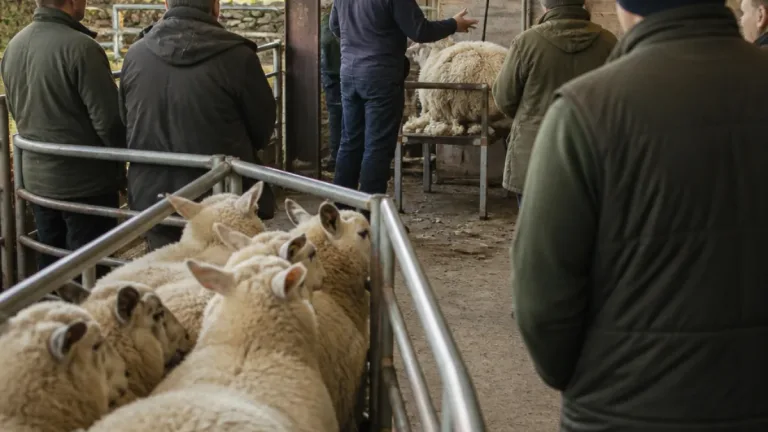
The event, held on Tuesday 27 October, brought together MSPs and representatives from farming, livestock markets, processing, independent butchery and other rural businesses. Organised by Quality Meat Scotland (QMS) and the Scottish Red Meat Resilience Group (SRMRG), the reception was intended to demonstrate the economic and social role of a resilient Scottish red meat industry.
Additional sheepmeat production
Modelling presented through the “Meating Our Potential” campaign indicates that expanded activity in Scotland’s beef and sheep sectors could deliver approximately £100 million in additional Gross Value Added each year by 2032. The stated opportunity is demand-led rather than based solely on increasing production.
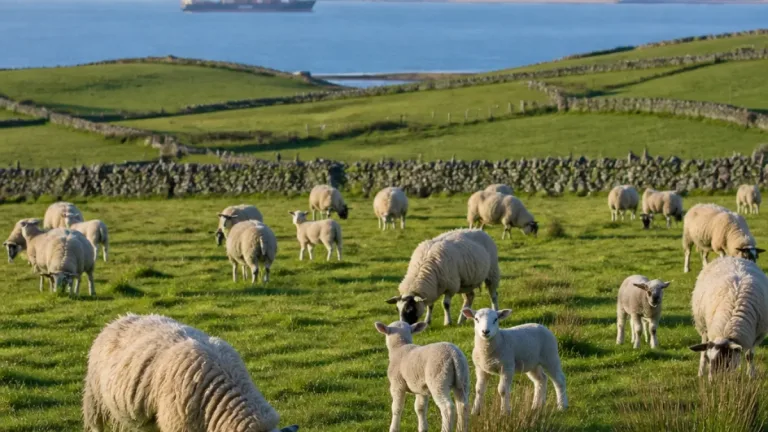
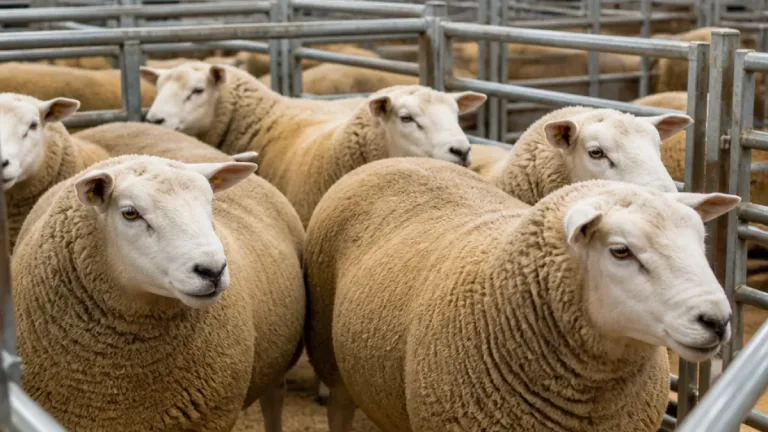
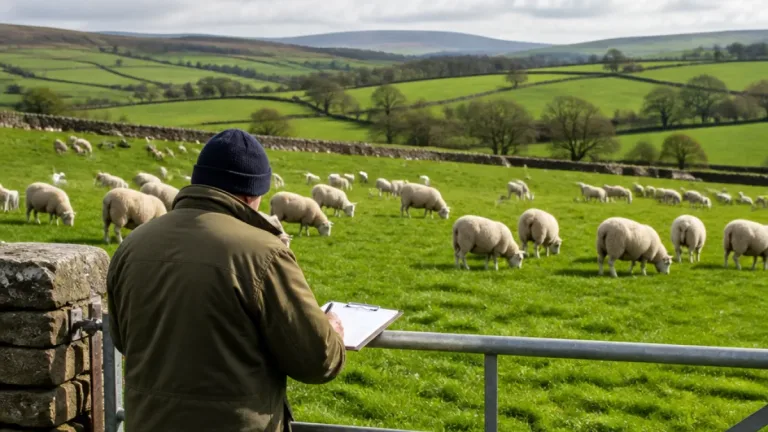
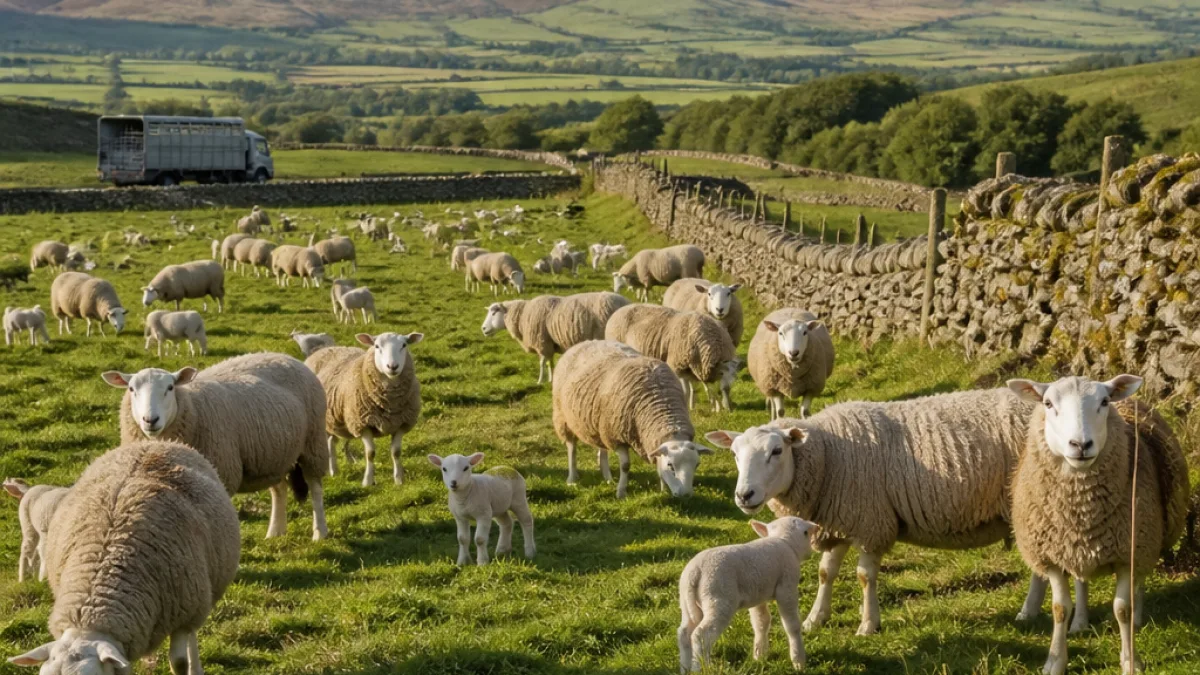
The modelling suggests that Scotland could produce an additional 15,100 tonnes of beef and 4,300 tonnes of sheepmeat. That increase would be associated with a 5–6% rise in cow and lamb numbers, supported by the productive capacity already available in Scotland.
| Measure | Figure | Timescale |
|---|---|---|
| Additional economic output | Around £350 million | By 2032 |
| Additional annual GVA | Approximately £100 million | By 2032 |
| Additional sheepmeat production | 4,300 tonnes | By 2032 |
| Increase in cow and lamb numbers | 5–6% | To support the opportunity |
Value retained in rural communities
The campaign points to the wider network that depends on livestock production, beyond the farm gate. Its case includes livestock markets, processors, butchers, hauliers, vets and specialist service businesses, alongside the farms supplying animals. The organisers argue that profitable growth would help retain more value and skills within Scotland while strengthening domestic processing and marketing capacity.
In 2025, farming, processing and related supply-chain activity was estimated to have generated £4.2 billion in output and almost £1.3 billion in GVA. The figures presented at Holyrood position the proposed expansion as an opportunity to build on that existing contribution rather than create a separate industry structure.
“Meating Our Potential is about giving the whole sector the confidence to embrace that opportunity. Farms, livestock markets, processors, butchers, hauliers, vets and supporting businesses depend on one another. When one part comes under pressure, the impact is felt across businesses, specialist skills and communities.”
Kate Rowell, chair of QMS, said the supply chain had a connection with every Scottish constituency. The campaign’s stated priorities are to create the conditions for productive and profitable growth, support domestic capacity and ensure that more of the value generated by red meat remains in Scotland.
What the campaign identifies
- Sheepmeat: an additional 4,300 tonnes is included in the 2032 production opportunity.
- Livestock numbers: the modelling links the growth to a 5–6% increase in cow and lamb numbers.
- Supply chain: farms, marts, processors, butchers, hauliers, vets and associated businesses are presented as interdependent parts of the Scottish economy.
The reception brought the economic case for coordinated action directly to political decision makers, with the organisers presenting the red meat sector as a source of activity for both agricultural businesses and the wider rural economy.