The free-trade agreement between Australia and the European Union, described by a senior EU official as a strategic instrument for both parties, has prompted criticism from parts of Australia’s Coalition, who say it leaves beef and lamb producers exposed.
What the EU executive says
Stéphane Séjourné, the European Commission’s executive vice-president for prosperity and industrial strategy, told NewsWire that the deal helps safeguard shared interests in a changing global landscape and that it was “a clear win-win”. The agreement is presented by EU officials as a means of diversifying trade ties at a time of rising geopolitical competition.
“I really believe in the club of those who share values, including democracy, peaceful resolution of conflict and the international rule of law,” Stéphane Séjourné said
Industry concerns in Australia
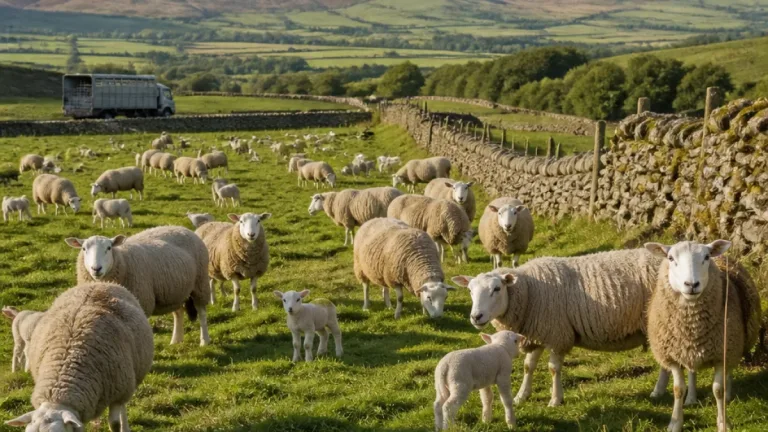
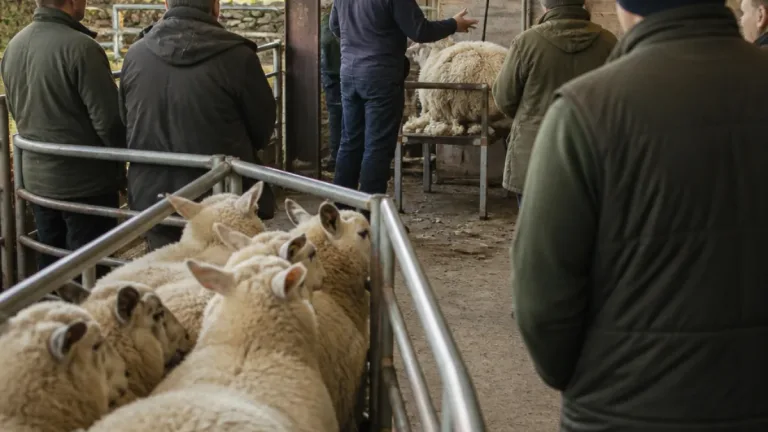
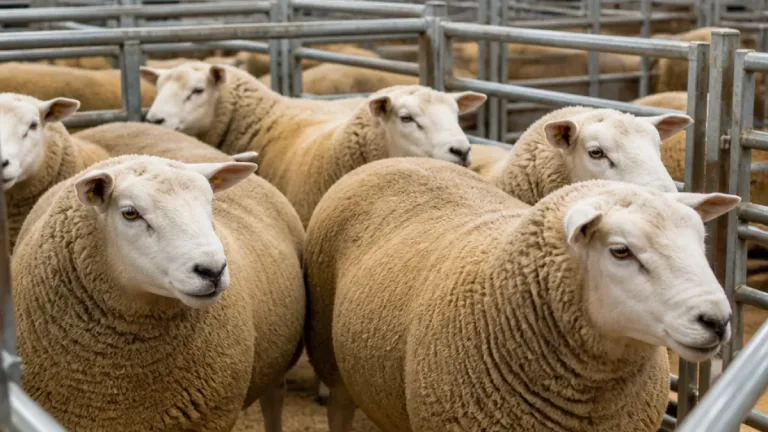
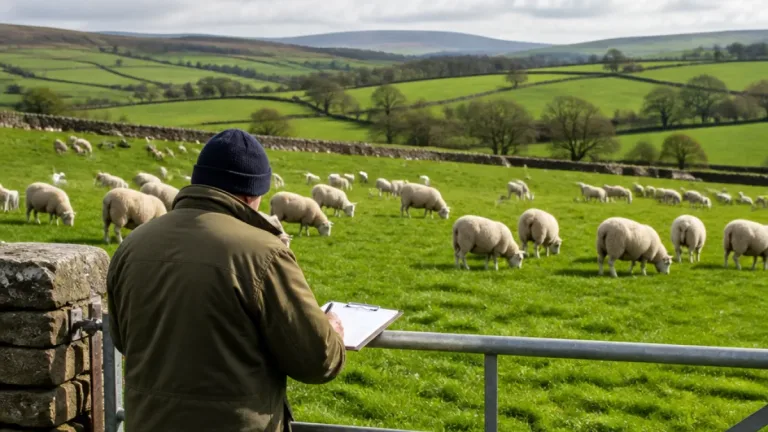
On the Australian political side, elements of the Coalition have voiced misgivings. The Nationals argue the pact, which removes tariffs on most Australian goods entering the EU, fails to provide adequate protection for the red meat sector and could subject producers to penalties linked to climate commitments. The deal reportedly scraps 98 per cent of tariffs on Australian goods entering the EU.
Trade Minister Don Farrell acknowledged last week that negotiators had not secured everything red meat producers wanted.
- Deal value: described in coverage as worth about $10bn a year to Australia
- Tariff changes: removes tariffs on the majority of Australian exports to the EU (reported as 98% of tariffs scrapped)
- Political dimension: EU officials stress strategic as well as commercial benefits
Broader context
Séjourné framed the agreement as part of a broader EU free-trade drive that has already produced pacts with several partners and, in his view, strengthens strategic autonomy for both blocs. He suggested such accords go beyond narrow sectoral calculations and send political signals about shared values and international alignment.
Meanwhile, opposition within Australia highlights the sensitivity of agricultural sectors, including beef and lamb, to market access and to non-trade elements such as environmental commitments that can translate into compliance obligations or penalties. The debate underlines the tension between securing new export opportunities and protecting domestic producers’ interests.
| element | reported detail |
|---|---|
| annual value to Australia | $10bn (as described in coverage) |
| tariff removal | 98% of tariffs on Australian goods entering the EU reported scrapped |
| sector concerns | Nationals say beef and lamb producers not adequately protected; exposure to climate-linked penalties raised |
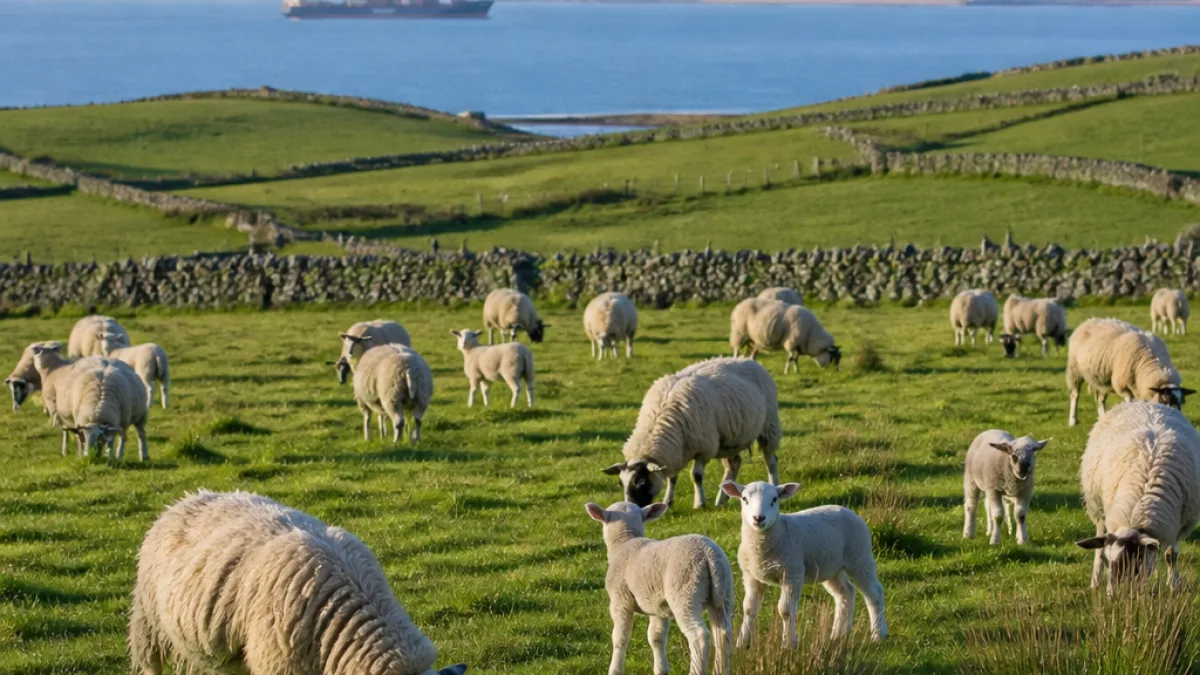
The agreement will be watched closely by international red-meat markets. Observers in the UK and Ireland with interests in lamb trade will be alert to any shifts in Australian access to EU markets that could influence global supply, pricing and competitive dynamics.