Early practical experience with virtual fencing on demanding hill ground is producing observable gains in pasture management on a South Otago sheep and beef unit, according to reporting by Farmers Weekly New Zealand.
Trial farm and programme details
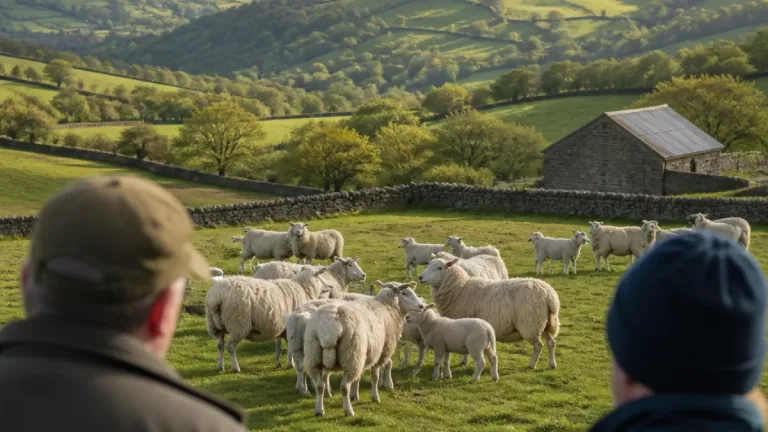
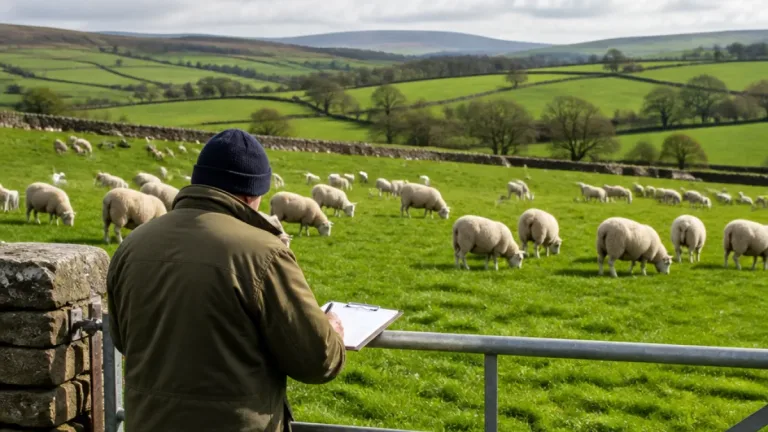
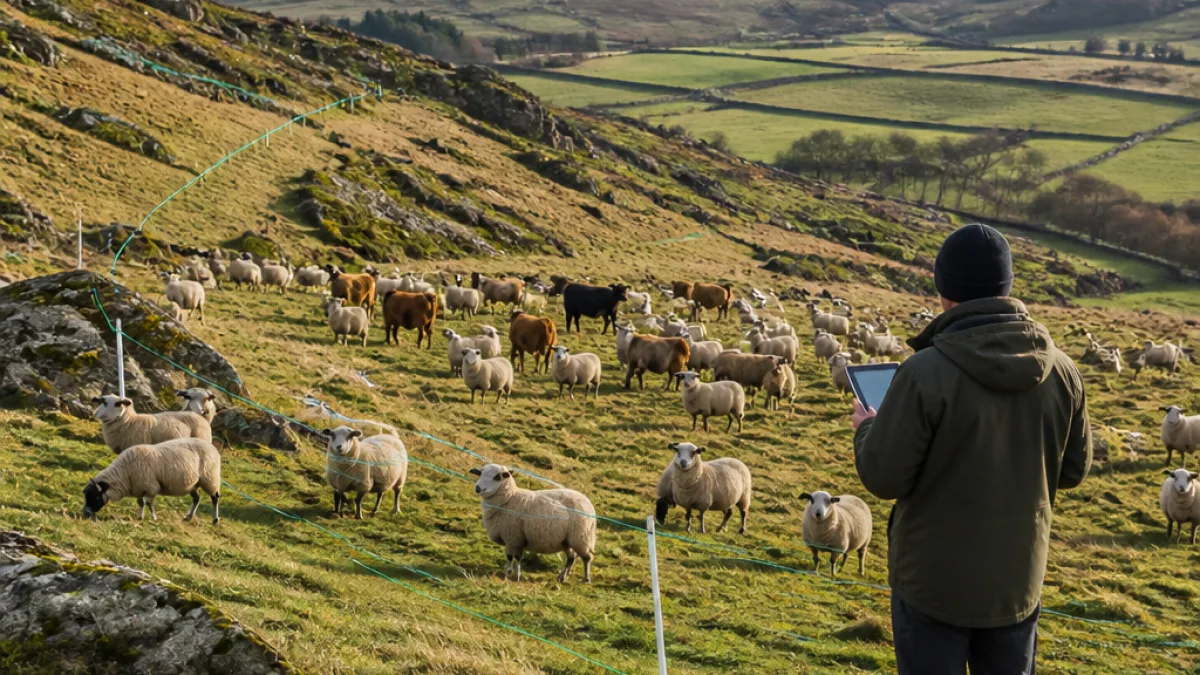
The trial is part of the Livestock Innovation Farming Transformation programme, known as LIFT, which has enrolled nine farms to build shared commercial evidence on virtual fencing and related system changes. Lyndon McNab is one of the participating farmers, using the technology on Lochindorb Run, a 2,500 hectare property described as hard hill country by Beef + Lamb.
| item | figure |
|---|---|
| farm area | 2,500 hectare |
| ewes run | 6,500 ewes |
| in-calf cows wintered | 600 in-calf cows |
| farms in LIFT programme | nine farms |
| budgeted days without grass growth | at least 100 days |
What the farmer is seeing
McNab began using virtual fencing only a few months before the report and has observed improved pasture use and reduced wastage. He said financial and technical support from LIFT made adoption possible, enabling him to access Halter collars without bearing the full equipment cost. The farm’s terrain — with areas reachable only on foot — is cited as a reason why virtual fencing is particularly attractive on this holding.
- practical scale: the trial is on a large, commercial sheep and beef unit rather than a small demonstration block
- programme support: LIFT provides funding and technical oversight in return for sharing results and participating in events
- early outcomes: reported improvements in pasture utilisation within months of adoption
The farm is family run: McNab is the third generation at Lochindorb Run. The property runs a mixed enterprise, selling bulls in addition to carrying sheep and cows, and the family continues to be actively involved in the business.
As the LIFT programme gathers experience from its nine commercial farms, the reported early wins from hard hill country will be of particular interest to growers and advisers considering low-infrastructure methods to improve grazing control on difficult terrain.
Farmers considering similar technology should discuss options and suitability with their advisers and suppliers, and note that results from LIFT will be published as the programme collects more farm-level data.