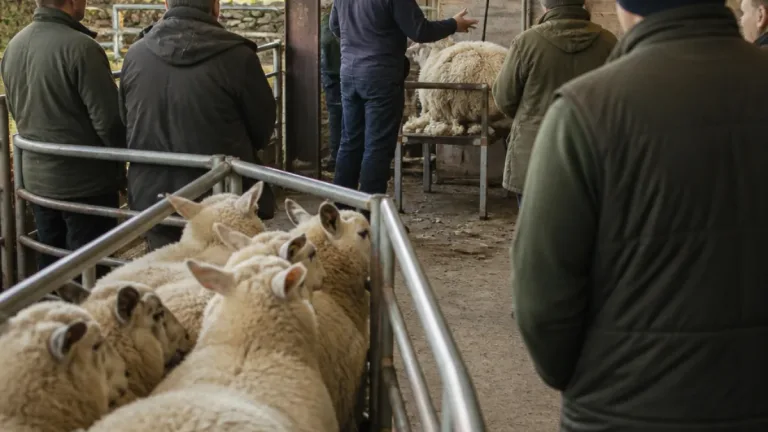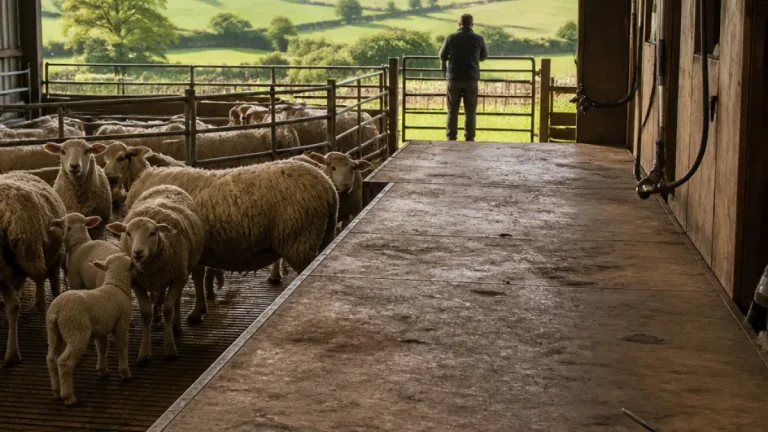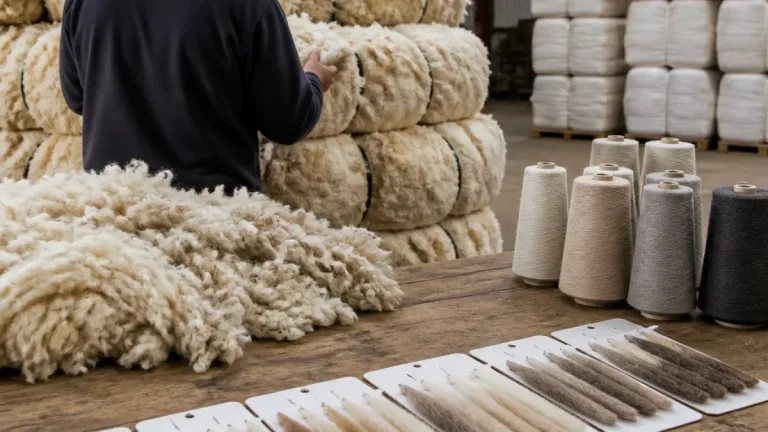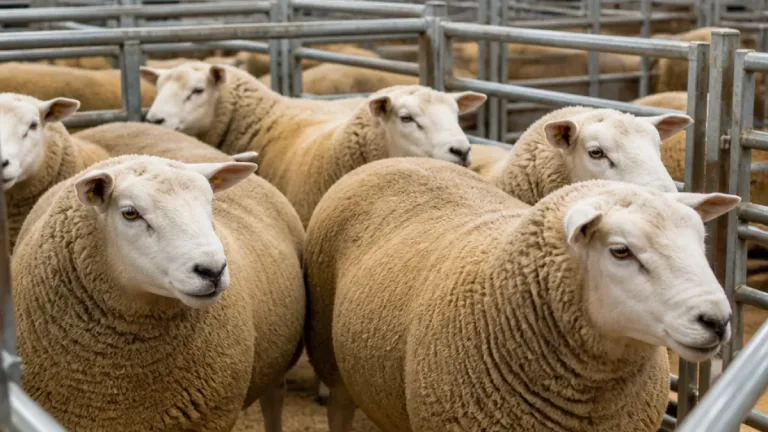
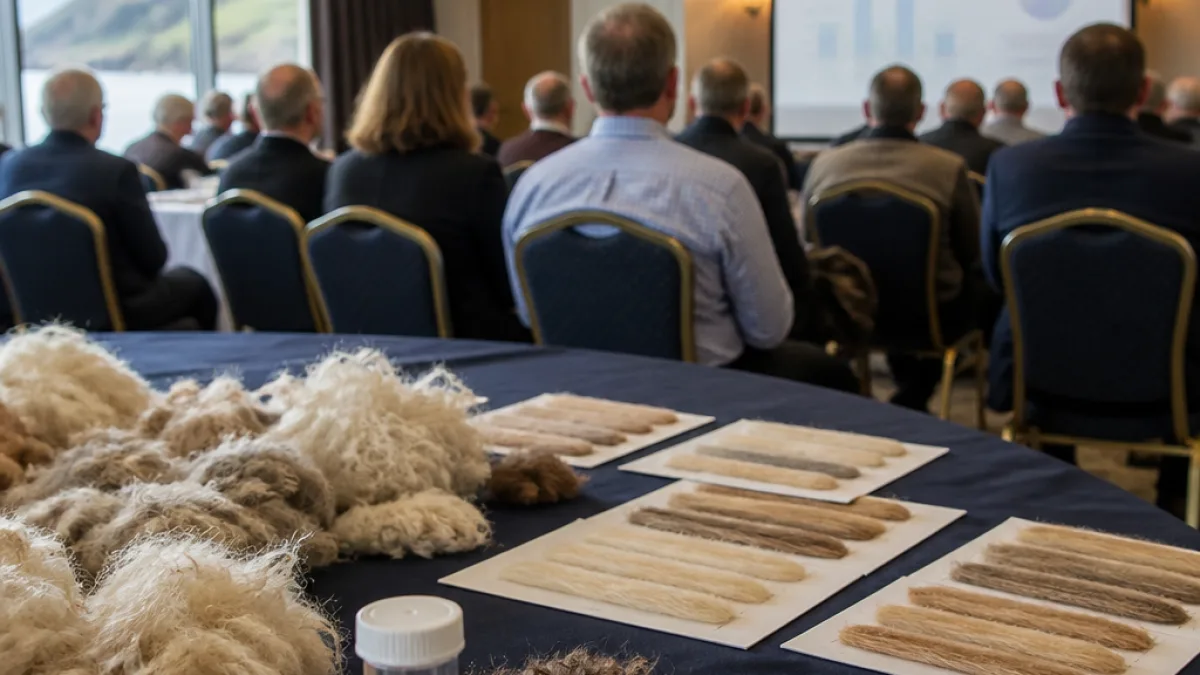
Speakers at the World Dohne Merino Conference in Kleinmond set out a pragmatic case for bringing consumer preferences closer to on-farm breeding and management decisions, arguing that sustaining demand for lamb and wool requires more than simply raising output.
Linking farm decisions to shopper priorities
Presentations at the conference, held at the Arabella Hotel, connected the farm gate with retail and textile markets. Dalena White, secretary-general of the International Wool Textile Organisation (IWTO), discussed how the environmental attributes of wool are assessed and communicated. Delegates heard that measuring and proving sustainability credentials is central to keeping wool competitive against low-cost synthetics.
Origin, genetics and eating quality
Other speakers emphasised different levers that influence consumer choice. Dan Kriek, general manager of the National Wool Growers’ Association, pointed to communal flocks as opportunities for improved genetics and market access. Prof Johann Kirsten of the Bureau for Economic Research at Stellenbosch University outlined the role of origin labelling in giving Karoo Lamb a defined identity, while Prof Louw Hoffman of the University of Queensland addressed how consumer preferences can inform improvements in lamb eating quality.
- Speakers linked breeding and production choices to the qualities that persuade consumers to buy lamb and wool
- Wool’s sustainability credentials and verifiable origin were highlighted as differentiators
- Communal flocks and targeted genetics were identified as channels to raise product value
Context: the competition from disposable fashion
Conference material cited the short lifespan of many garments to illustrate the challenge for natural fibres: a typical garment is reportedly worn just seven to 10 times before disposal. Delegates were reminded that global clothing and textile production doubled during the first 15 years of this century, outpacing population growth, a trend linked to low-cost polyester and business models built around rapid turnover.
| speaker | organisation | focus |
|---|---|---|
| Dalena White | International Wool Textile Organisation | wool environmental assessment and communication |
| Dan Kriek | National Wool Growers’ Association | communal flocks as a market for genetics |
| Prof Johann Kirsten | Bureau for Economic Research, Stellenbosch University | origin branding: Karoo Lamb |
| Prof Louw Hoffman | University of Queensland | consumer preferences and lamb eating quality |
Taken together, the presentations framed a practical question for Dohne Merino breeders and wider sheep industries: do current breeding and production choices deliver the characteristics buyers are prepared to reward? The conference suggested that answers lie in verifiable sustainability claims, origin identity and genetics targeted at both wool quality and eating quality for lamb.