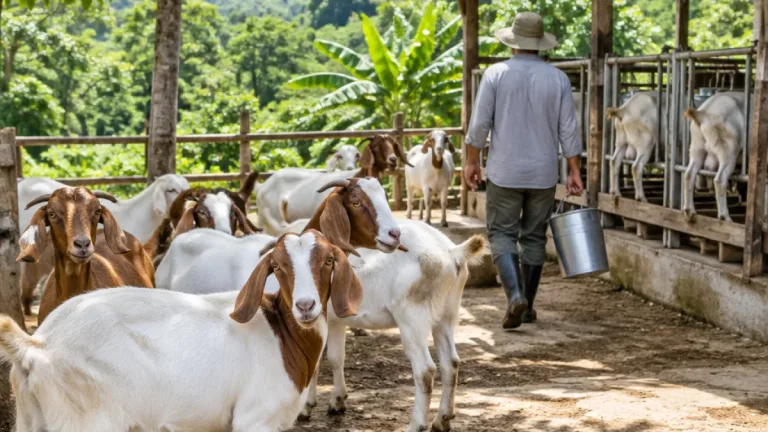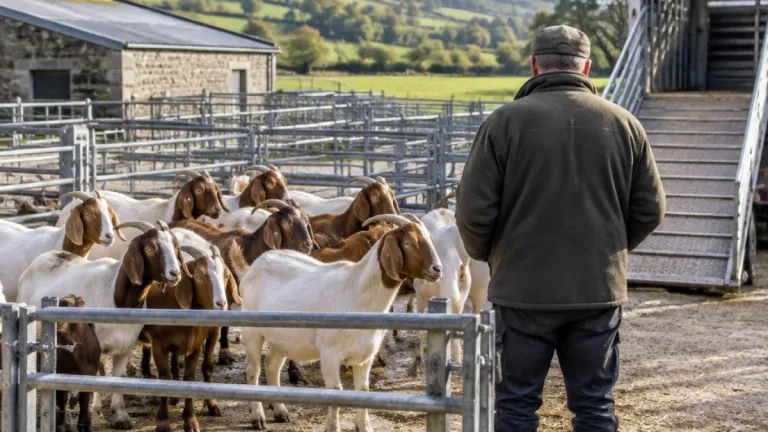
Researchers in Indonesia have used milk lipid profiling and machine learning to distinguish between Etawah Crossbred and Saanen dairy goats managed under the same tropical farm conditions.
The study examined milk from fifty-six Etawah Crossbred goats and forty-three Saanen goats at Mega Buana Farm in Pasuruan, East Java. Its objectives included assessing the effect of genetic background on milk yield, fat concentration, fatty acid composition and nutritional lipid indices.
Saanen goats produced significantly more milk each day, according to the comparison, while the dual-purpose Etawah Crossbred goats had substantially higher total fat concentrations. Most fatty acid proportions did not differ statistically between the breeds. However, differences in particular unsaturated fatty acids were sufficient for a random forest machine-learning algorithm to identify the breed origin of milk samples with 85% testing accuracy.
Standardised feeding and housing
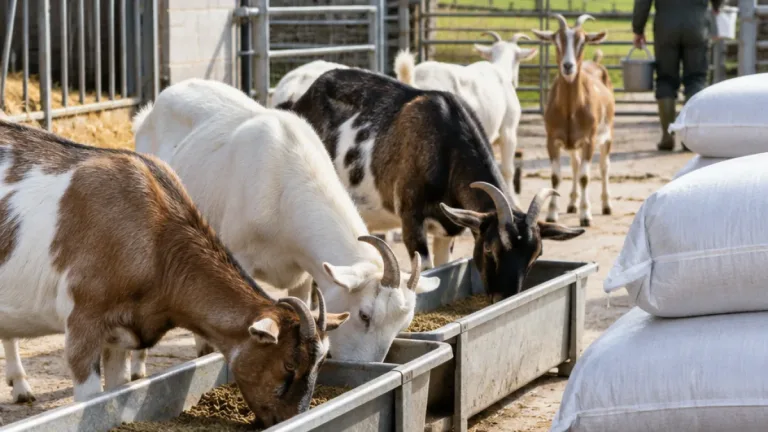
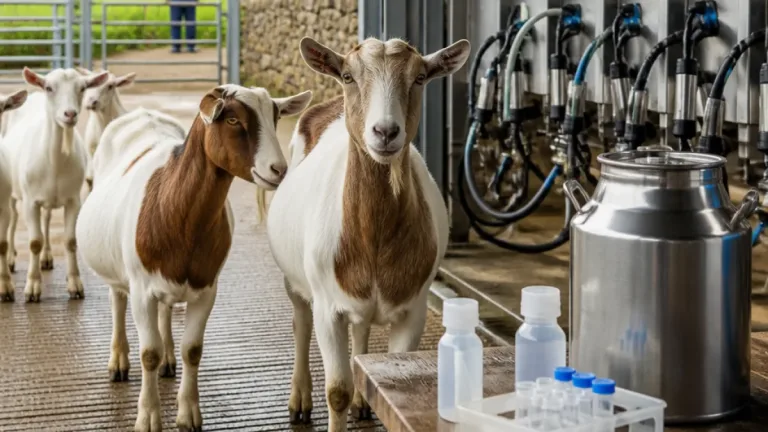
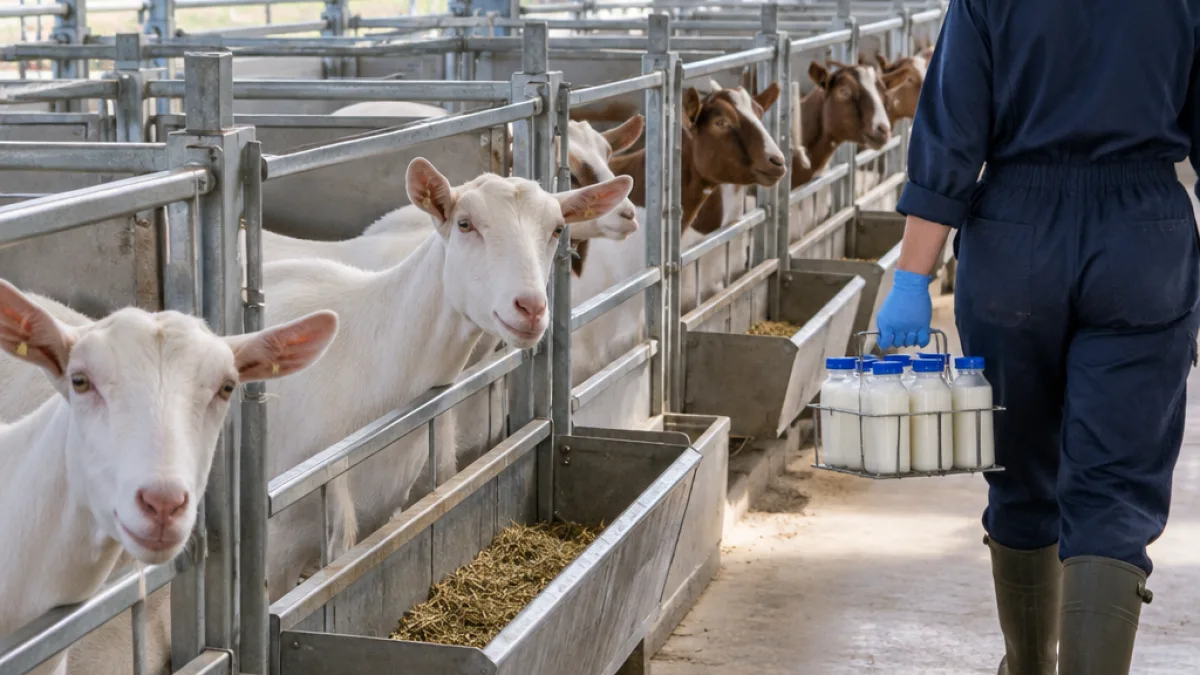
The animals were kept in individual pens, each with dedicated feed and water troughs. This arrangement was used to reduce the effect of diet and the surrounding environment when comparing the two genetic groups.
All goats received a basal forage ration supplemented twice daily with a commercial concentrate formulated for lactating dairy goats. Fresh water was available without restriction, and feed allocations were revised weekly according to body weight and milk production. The researchers said this was intended to maintain a consistent supply of precursors for milk-lipid synthesis.
Laboratory analysis of the complete ration, calculated on a dry-matter basis, recorded 9.37% moisture and 90.63% dry matter. The dry matter contained 7.62% ash, 16.16% crude protein, 5.86% crude fat and 22.38% crude fibre. It supplied 90.36% total digestible nutrients and had a gross energy density of 4,033 kilocalories per kilogram.
| Measure | Finding reported in the study |
|---|---|
| Milk volume | Saanen goats produced significantly higher daily volumes |
| Total milk fat | Etawah Crossbred goats produced substantially higher concentrations |
| Breed classification | Random forest model achieved 85% testing accuracy |
Milk collection and analysis
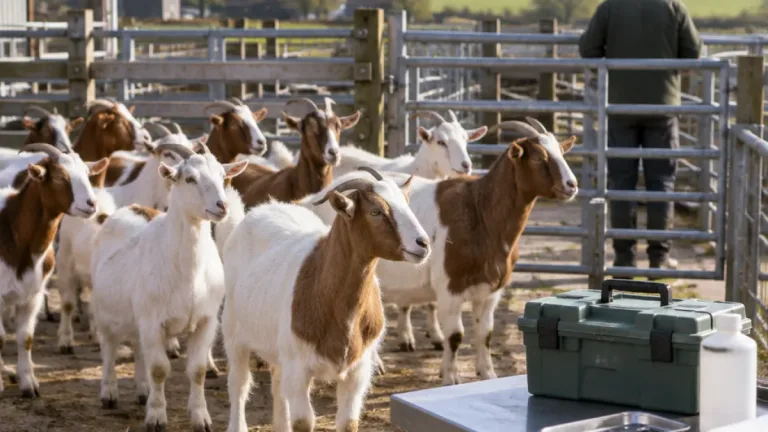
Milking took place manually twice a day using the full-hand technique. Before milking, the teats were disinfected with 70% alcohol, and the first streams were discarded to limit contamination before samples were collected for analysis.
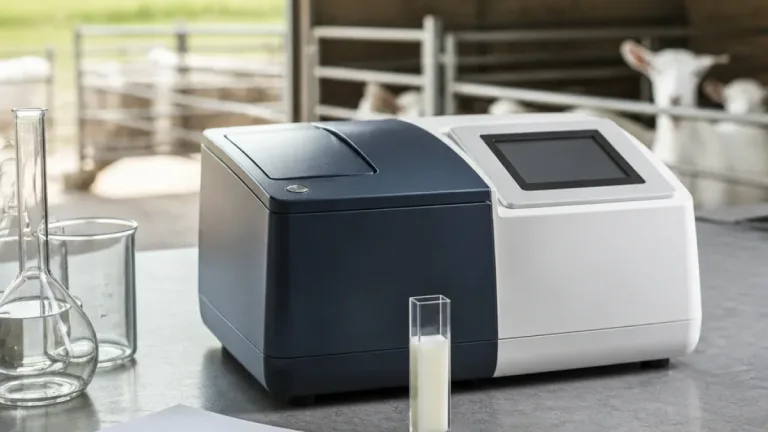
The researchers used gas chromatography to create lipid fingerprints from the milk. Those profiles were then assessed alongside the machine-learning model, allowing the team to examine whether small differences in fatty acids could reveal the breed from which a sample originated even when the goats were managed in a controlled and comparable way.
The findings separate two issues relevant to dairy-goat production: milk quantity and milk composition. Saanen goats performed better for daily volume in this study, whereas Etawah Crossbreds produced milk with more total fat. The results therefore provide a breed-level comparison rather than a universal ranking, with the reported outcomes linked to the goats and management conditions examined at Mega Buana Farm.
- Milk from Saanen goats had the higher daily yield in the comparison.
- Etawah Crossbred milk had the greater total fat concentration.
- Specific unsaturated fatty-acid differences enabled breed classification with 85% testing accuracy.