The Forest Service has opened a proposal to rewrite livestock-grazing regulations across roughly 96 million acres of grazing allotments on National Forest System land. The changes would affect permit eligibility, the handling of drought and wildfire disruption, grazing fees and the use of temporary livestock permits.
The proposal is the first comprehensive review of the regulations since 1977. It remains a consultation rather than a final decision, with comments due by 14 December. Alongside changes aimed at established permit holders and beginning ranchers, the document creates scope for projects involving targeted grazing and virtual fencing technology.
Access and permit arrangements
For people starting in livestock production, the proposed rules would recognise a wider range of arrangements when assessing eligibility for grazing permits. These include leased property, mentoring agreements and family succession arrangements. The stated aim is to make access easier for beginning ranchers who may not own land outright.
The Forest Service also proposes extending the maximum duration of livestock-use permits from one year to five years. Existing permit holders would have greater room to alter grazing schedules when drought, wildfire or changing forage conditions affect the timing of livestock movements.
| Proposed area | Change described by the Forest Service |
|---|---|
| Livestock-use permits | Maximum duration could rise from one year to five years |
| Grazing periods | Grazing could begin up to 21 days early or continue up to 21 days beyond the permitted period in specified disturbance responses |
| Allotment management plans | Plans would become optional rather than required for every allotment |
| Consultation | Comments are due by 14 December |
Technology and land-management projects
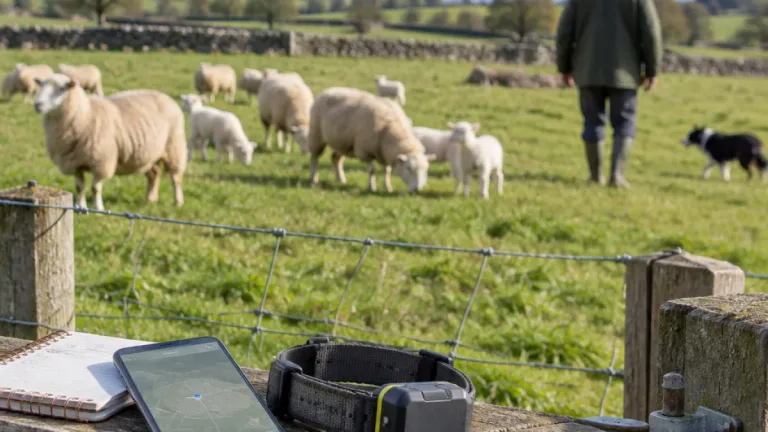
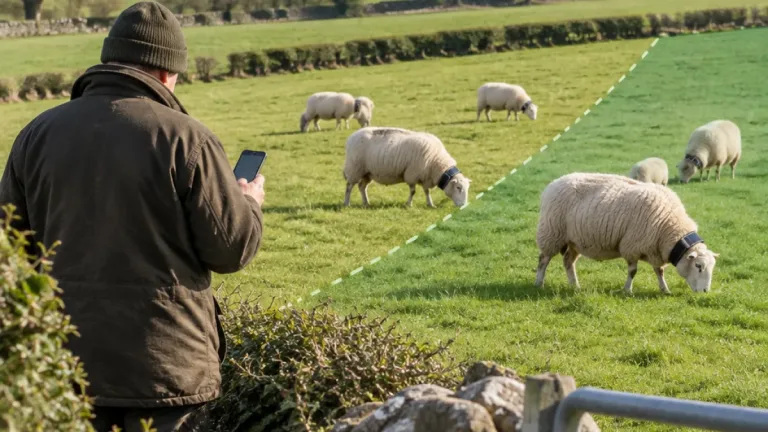
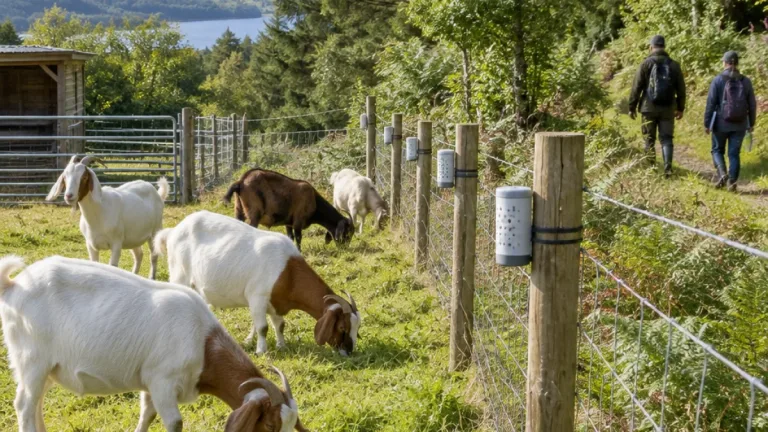
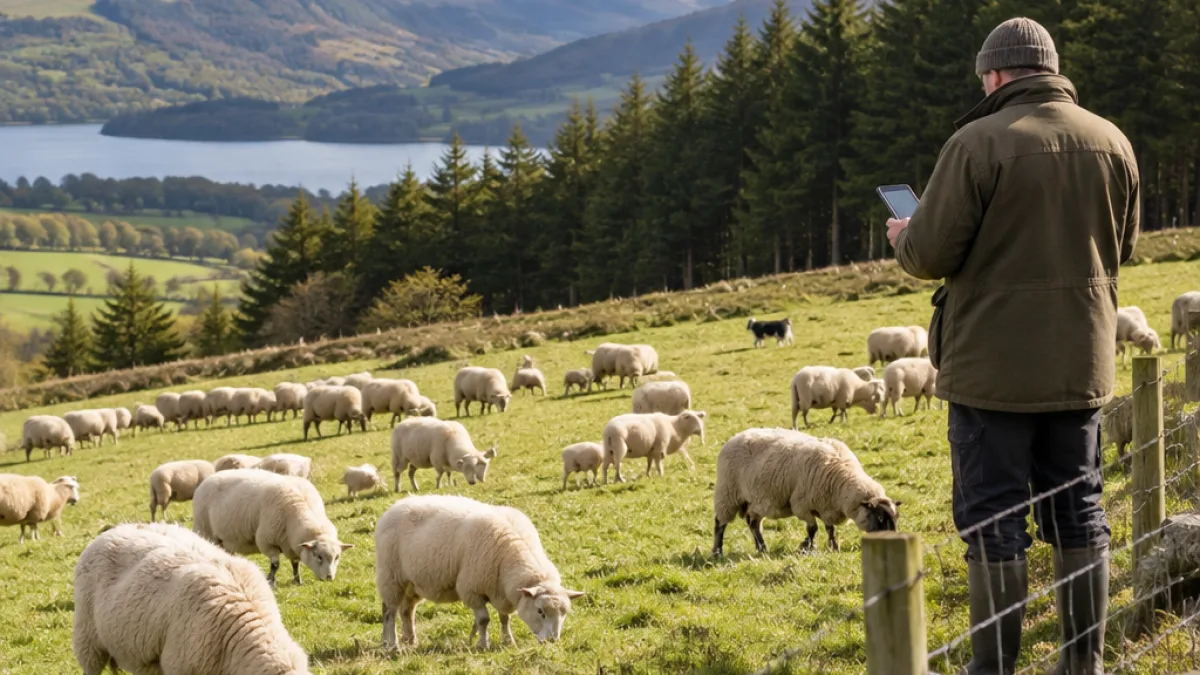
Virtual fencing is included in the proposal through a wider framework for stewardship work. Companies developing the technology, as well as contractors involved in vegetation management, could have more opportunities to take part in targeted grazing and other land-stewardship projects.
Under the proposed approach, the Forest Service could approve outcome-based grazing and targeted grazing through temporary grazing permits or livestock-use permits. The extracted proposal does not identify a particular virtual fencing supplier or set out a price for the technology. Its significance for the sector lies in the proposed regulatory route for using such systems within grazing and vegetation-management projects on federal land.
Response to drought and wildfire
The proposed rules would establish a formal process for responding to drought, wildfires and other disturbances, including documentation requirements. The flexibility to move livestock into an allotment earlier or keep them there later would be capped at 21 days under the arrangements described.
The proposal would also introduce a surcharge for ranchers grazing leased livestock on federal land. Existing allotment-management requirements would be revised, with the Forest Service able to prepare plans when needed rather than having to analyse every allotment and develop a plan as a standard requirement. The consultation deadline gives livestock businesses, technology providers and other interested parties until 14 December to comment before any final rules are adopted.