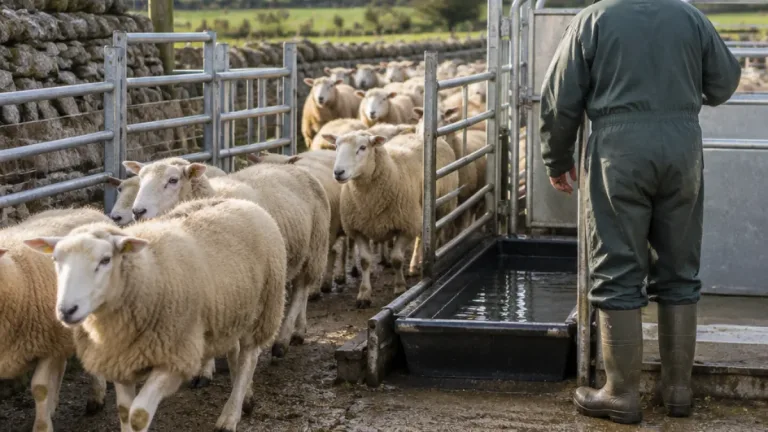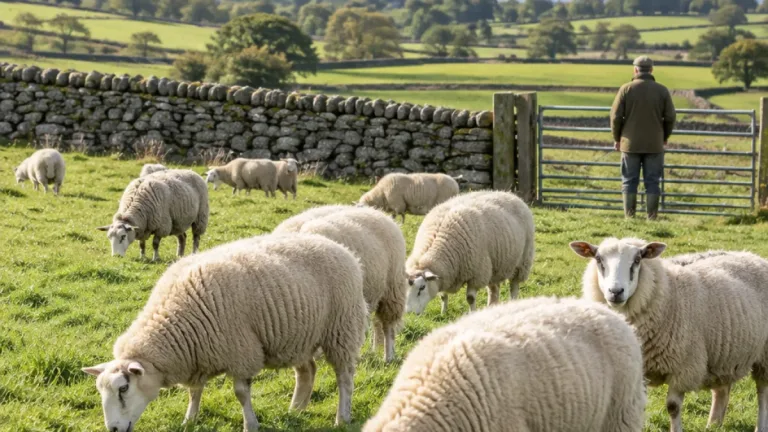
A workshop addressing facial eczema and drench resistance in sheep and other grazing livestock has been postponed until 4 February. The event is being organised by B+LNZ in New Zealand, where the two animal-health challenges are estimated to cost farmers more than $440 million a year in lost production.
Facial eczema damages the liver and can reduce growth, fertility and overall production. The organisers said the visible cases may represent only part of the problem, with potentially another 10 animals affected for every animal showing signs. Using an example of a 1.5kg loss per lamb and a $10/kg schedule, the workshop information puts the cost at $1,500 for every 100 lambs.
Linked health and productivity risks
Drench resistance is presented as a similarly costly issue. The estimated reduction is 2.8–4.7kg less carcass weight per lamb, equating to $28–$47 a lamb at the prices used in the event material. The figures underline why parasite control and prevention of facial eczema are being considered together rather than as separate autumn tasks.
The workshop’s central message is that several management tools can help address both risks. These include selecting suitable genetics, managing grazing and considering pasture length, litter, alternative forages and refugia. The programme is also intended to explain when action is needed, including spore monitoring and prevention before the risk period begins.
- Facial eczema is associated with liver damage and losses in growth, fertility and production.
- Drench resistance is linked in the workshop material to an estimated 2.8–4.7kg reduction in carcass weight per lamb.
- The proposed approach combines genetics, grazing management and parasite monitoring.
Practical programme for farmers
The day will be facilitated by Rachael Fouhy of Tararua Vet Services and will include a live sheep necropsy. A farmer panel is also scheduled, featuring Willie Forbes, an Alfredton farmer and 2026 Wairarapa Farmer of the Year, and Harvey Verwaayen, a Dannevirke dairy farmer.
Dr Cara Brosnahan, B+LNZ’s Principal Scientist, Animal Health Research, is listed among the speakers. Fouhy is described as a veterinarian working with sheep, beef and dairy farmers, while Brosnahan is identified as one of B+LNZ’s leads on facial eczema and animal-health research. The extracted event information ends while outlining that work.
Attendees are expected to leave with an autumn plan for their own farms. The programme will cover the nature of facial eczema, the timing of preventative action, pasture-based risk management, breeding traits to consider when buying rams, and technology for monitoring and managing parasites. Outdoor clothing and footwear are requested for the necropsy session.
The event’s focus is New Zealand production, but its emphasis on joining animal-health monitoring with grazing decisions and breeding objectives is relevant to the wider sheep sector. For UK producers, the announcement provides an international example of how facial eczema and worm control are being considered within a single flock-management framework, without treating genetics or pasture management as substitutes for professional animal-health advice.