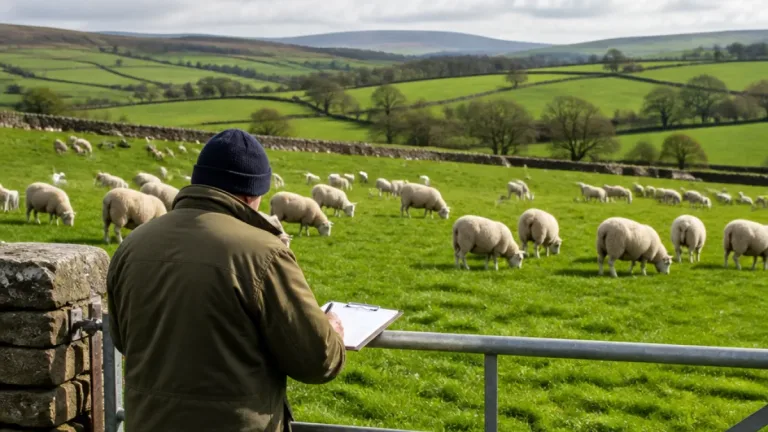
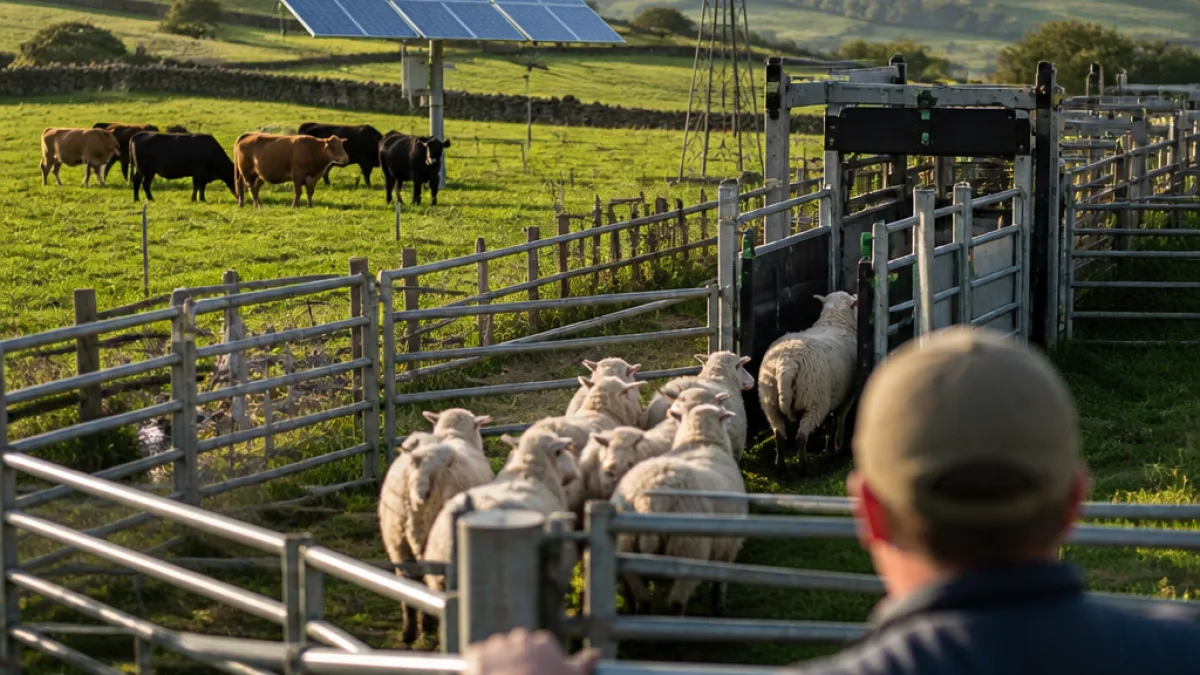
The Litchfield family has reshaped their vast pastoral business through targeted use of stock-handling technology, strategic grazing and a move away from Merino wool towards shedding and meat-focused genetics.
Enterprise scale and seasonal stocking
Operating as Litchfield Pastoral, the family runs sheep and cattle across three adjoining properties covering about 1.5 million acres (600,000 hectares). The enterprise’s theoretical capacity is around 52,000 sheep, but in a typical season the family aims to run about 20,000 sheep and 3,500 cattle, with numbers fluctuating according to seasonal conditions. Severe drought in the previous year forced deep destocking: at its lowest point the group kept just 80 cattle and around 4,000 sheep.
Breeding and genetics
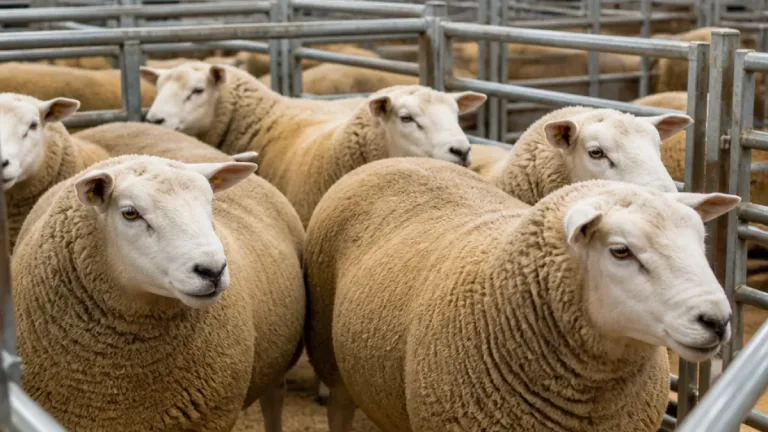
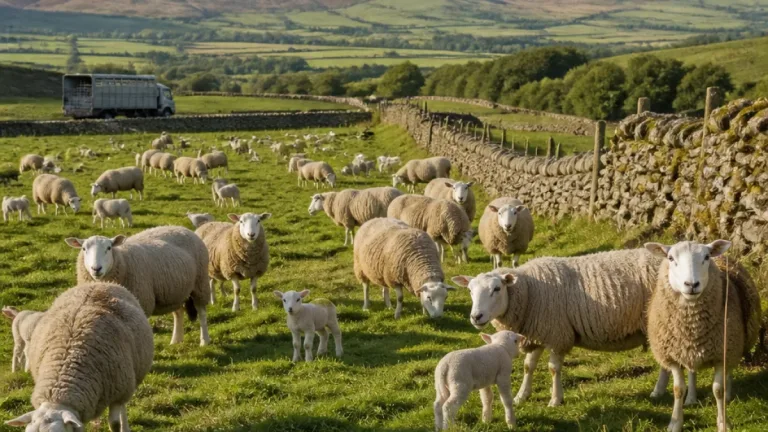
Over more than two decades the Litchfields have progressively moved away from Merino wool production and repositioned the flock towards breeds suited to meat and low-input management. More than 20 years ago they began using Damara sheep and crosses for their flocking behaviour, terrain handling and maternal traits. Around ten years ago they purchased Avanley Australian White Stud at Dubbo, NSW, and switched to Australian Whites so they could breed their own rams rather than rely solely on outside genetics. They still purchase selected rams from Baringa stud, Essington, NSW, while retaining locally bred sires deemed better adapted to the property.
Technology and management
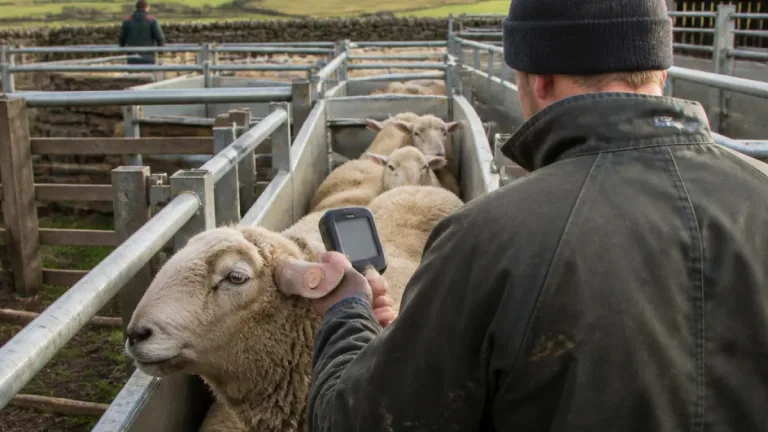
The family report increasing reliance on modern stock-handling technology and strategic grazing to manage the large, remote properties. The operation is split among family members: son Adam and his wife Kate run Mount Lyndhurst; daughter Ellen and her husband Blake Ward manage Wilpoorinna; and brother Peter with his wife Janine run Mundowdna Station. The properties sit roughly 330 kilometres from Port Augusta, with logistics such as mail collection and grocery resupply handled from towns many tens of kilometres away.
- Scale: 1.5 million acres (600,000 hectares) across three properties
- Carrying capacity: 52,000 sheep at full capacity; typical season target 20,000 sheep and 3,500 cattle
- Drought impact: destocked to about 4,000 sheep and 80 cattle at the lowest point
- Breed change: from Merino wool to Damara and Australian White (with selected purchases from Baringa stud)
| measure | figure |
|---|---|
| total area | 1.5 million acres (600,000 hectares) |
| full sheep capacity | 52,000 sheep |
| typical seasonal stock | 20,000 sheep; 3,500 cattle |
| lowest stock during drought | 4,000 sheep; 80 cattle |
The account highlights deliberate genetic choices: the move to Australian White followed the purchase of a stud, enabling on-farm ram breeding and greater control over flock traits. The family also continue to select outside rams where useful, citing local adaptation as a key reason for favouring their own sires.
Although the detailed technologies in use are not itemised in the report excerpt, the article describes modern stock-handling systems and strategic grazing as central to how the family manages labour and grazing across remote country. The narrative also notes the logistical realities of remote pastoral work, referencing the distances to service towns and the family’s distributed management across the three properties.
The Litchfield case provides a practical example of how large-scale sheep enterprises can combine breed change, on-farm genetics and technology-driven handling to adapt to market objectives and climatic risk without returning to wool-centric systems.