
French agriculture and health authorities have confirmed the first documented human infection with Shamonda virus, an orthobunyavirus that primarily circulates in livestock. The case was announced on 22 October and involved a patient being treated at Hospices Civils de Lyon, who died in early October while severely immunocompromised.
What investigators have said
Authorities suspect the infection arose following a bite from a Culicoides midge in eastern France, where Shamonda had been detected in animals during spring and summer. Investigations are ongoing to establish how the person became infected and whether the virus contributed to the death.
The European Centre for Disease Prevention and Control (ECDC) is working with French officials and other European partners to monitor the situation. The World Health Organization (WHO) is also involved in assessing any public health implications, the French authorities said.
What is Shamonda virus and where has it been found
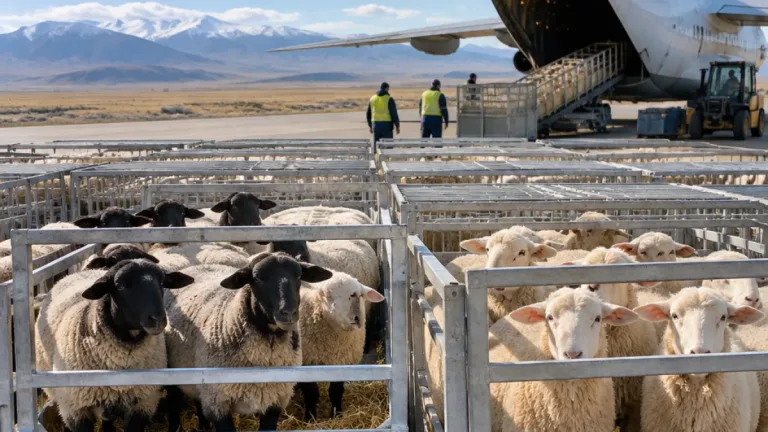
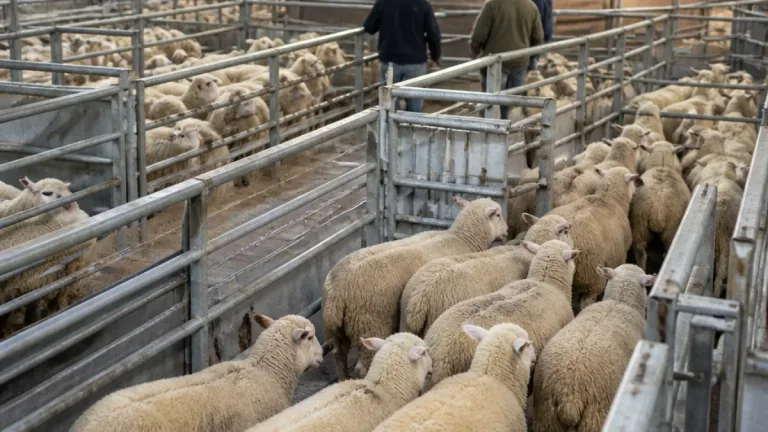
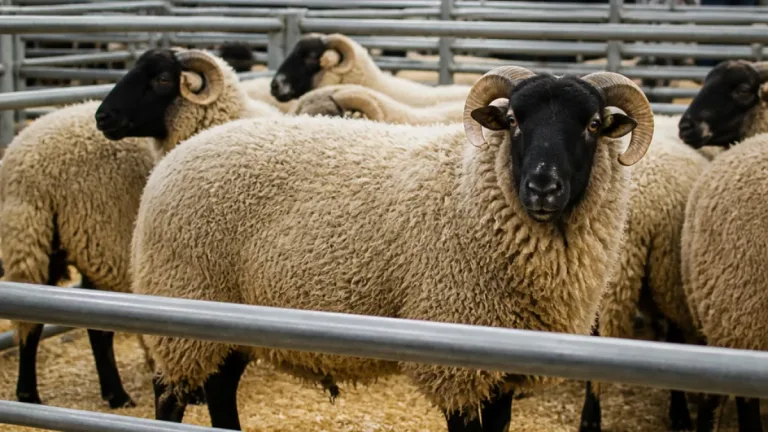
Shamonda is an orthobunyavirus transmitted by biting midges. While cattle are the principal host, the virus has also been detected in sheep, goats, horses and alpacas. Infected animals may show fever, diarrhoea, weakness and reduced milk yield; some outbreaks have been linked with reproductive problems in livestock. The virus was first identified in cattle in Nigeria in 1965 and had circulated in parts of Africa and Asia before being found in European livestock in 2026.
| item | detail |
|---|---|
| case announced | 22 October (French authorities) |
| patient | severely immunocompromised, treated at Hospices Civils de Lyon; died in early October |
| suspected route | Culicoides midge bite in eastern France |
| animal hosts | cattle, sheep, goats, horses, alpacas |
Response and context for livestock keepers
French authorities described the event as an exceptional occurrence involving a severely immunocompromised individual. There is currently no evidence of human-to-human transmission, and investigators continue to examine the route of infection and any link to the patient’s death.
- European monitoring: the ECDC is coordinating with French partners and other European countries.
- WHO involvement: the World Health Organization is assisting France to assess potential public health implications.
- livestock relevance: Shamonda has been reported in a range of farmed species, including sheep and goats.
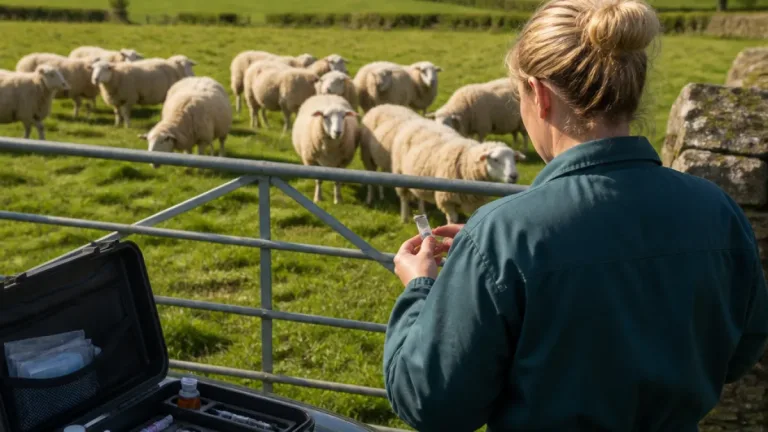
Veterinary and public health agencies are continuing their enquiries; livestock keepers should follow guidance from their national animal health authorities and consult their veterinary advisers if they have concerns about vector-borne infections affecting their flocks and herds.