Fresh technical attributes pertaining to Apple’s inaugural 2nm processors, the A20 and A20 Pro, have surfaced.
These elements ,advanced WMCM packaging, augmented cache, and a novel GPU architecture, are poised to significantly enhance both performance and power efficiency. According to numerous reports and sector analyses, it is currently and widely anticipated that the technology giant, Apple, is positioned to initiate and fully undertake a truly substantive and pivotal architectural transition specifically within the highly specialized domain of its proprietary mobile processor design, with the commencement of this significant strategic shift scheduled to occur starting with the product releases of the year 2026.
The inaugural manifestation of this change will be the company’s A20 and A20 Pro chipsets, which are founded upon the 2nm fabrication process. This forthcoming platform, which is poised to supersede the N3P based architecture utilized by the A19 family, will be distinguished not merely by its lithography benefits but is also accompanied by innovations concerning both packaging and the cache subsystem.
Apple 2nm Fabrication Plans Take Definitive Shape
The most salient anticipated attribute for the Apple A20 and A20 Pro is the abandonment of the longstanding InFO packaging methodology in favor of a transition to the WMCM (Wafer Level Multi Chip Module) system.
The consolidation of components such as the CPU, GPU, and Neural Engine as separate dies within a singular package is projected to substantially augment design latitude while simultaneously enhancing manufacturing efficiency.
The forthcoming MUF based methodology is projected to mitigate associated expenditures, consequently helping to counterbalance the substantial expense inherent in the 2nm fabrication technology. This development is confirmed. Moreover, planned increases concerning the cache capacity constitute one of the principal points of focus for this year’s architecture.
The A20 is slated to incorporate 8MB of cache for its performance cores, 4MB of L2 cache specifically designated for the efficiency cores, and an aggregate of 12MB of SLC cache. Reports suggest the A20 Pro will feature 16MB L2 cache, an additional 8MB L2 specifically designated for its efficiency cores, and an SLC capacity oscillating between 36 and 48MB. These figures will collectively yield a measurable advantage, notably in enhanced memory bandwidth and improved GPU performance.
A New Cache Architecture Is Attracting Attention
A novel cache architecture coupled with the third generation of Dynamic Cache.The architectural enhancements initially implemented within the efficiency cores of the A19 processor family are projected to persist and be further developed throughout the forthcoming A20 series.
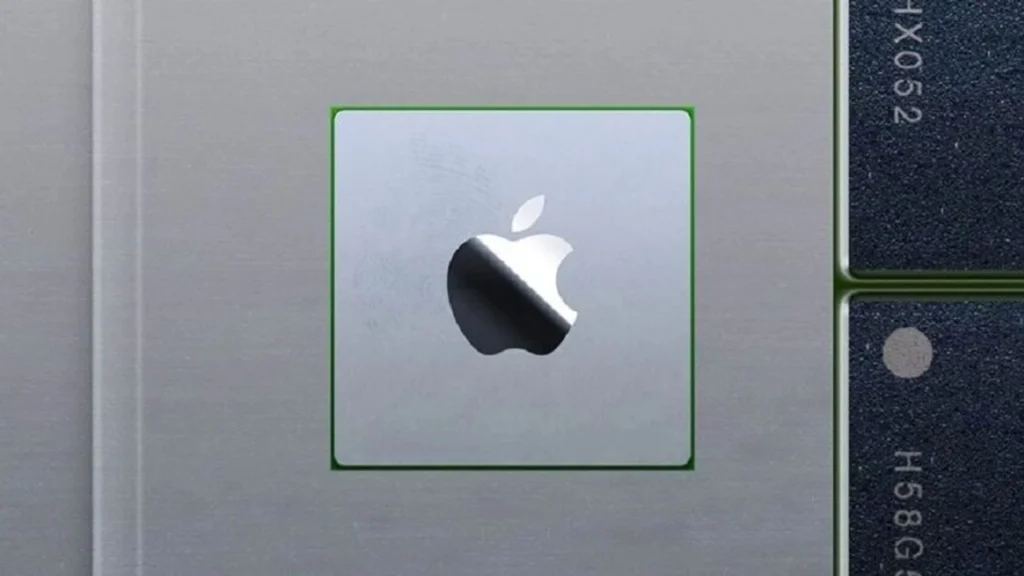
The Instruction Per Cycle (IPC) gains exceeding 20% that were secured by the A19 Pro without incurring any concomitant increase in power consumption are anticipated to be substantially augmented by the area and energy efficiencies afforded by the 2nm fabrication node.
Characterized By The Inclusion Of The Third Version of Dynamic Cache
The GPU subsystem, conversely, will be characterized by the conspicuous inclusion of the third iteration of Dynamic Cache. The system promises a distinct advantage, specifically in emulation based titles, where frame timing consistency will be considerably enhanced.

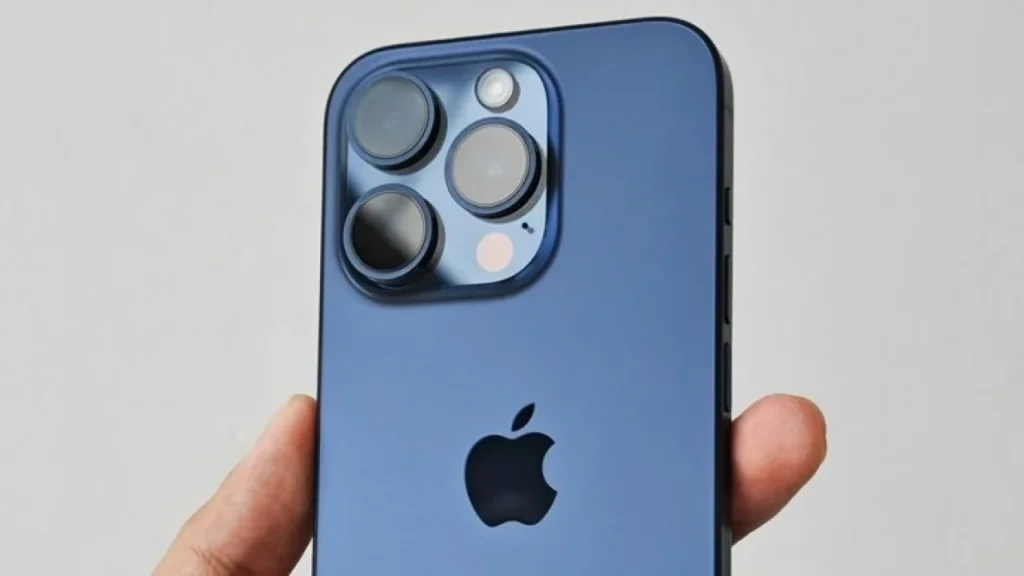
This proprietary system will operate utilizing significantly smaller memory blocks, achieving this by dynamically regulating the precise quantum of memory requisite for the Graphics Processing Unit (GPU) at any given moment, and will consequently effect a considerable enhancement in overall memory utilization efficiency. Reports indicate the A20 Pro is slated for deployment in the iPhone 18 Pro, the iPhone 18 Pro Max, and the anticipated foldable iPhone Fold. The standard A20, conversely, is projected to be deferred for integration into the iPhone 20 series, expected in 2027.
Necessarily, the point in time when the full scope of these details is officially validated will be the iPhone 18 product launch, which is slated for execution in the last quarter of 2026.